New Construction in San Antonio: What Buyers Should Know Before Signing a Contract

San Antonio’s remarkable population growth and economic expansion have transformed the metro area into one of Texas’s most dynamic new construction markets. From the rolling hills of Boerne to the master-planned communities dotting Northwest Bexar County, and from the family-friendly developments in Schertz to the Hill Country charm of Castroville, builders are racing to meet unprecedented buyer demand with innovative floor plans, cutting-edge energy efficiency, and increasingly competitive incentives.
The appeal is undeniable: pristine condition, modern design, customization opportunities, contemporary energy systems, and the satisfaction of being a home’s first owner. According to the San Antonio Board of Realtors (SABOR), new construction sales represented approximately 18-22% of total residential transactions in the San Antonio metro area during 2024-2025, reflecting sustained demand despite fluctuating interest rates and economic uncertainty. With builders delivering thousands of homes annually across Bexar, Comal, Guadalupe, and Medina counties, the new construction sector has become a cornerstone of the region’s housing market.
However, the excitement of selecting finishes, watching your dream home rise from foundation to completion, and moving into a brand-new property comes with complexities that catch many buyers unprepared. Purchasing new construction fundamentally differs from buying a resale home in ways that extend far beyond aesthetics and condition. Builder contracts bear little resemblance to the standard Texas Real Estate Commission (TREC) forms used in resale transactions. Construction timelines fluctuate based on factors beyond anyone’s control. Upgrade selections can transform a manageable budget into financial stress. Warranty coverage varies dramatically among builders, and understanding what’s protected—and what isn’t—requires careful analysis.
These distinctions matter profoundly to your financial outcome, timeline expectations, and long-term satisfaction. A buyer who enters a new construction transaction without proper guidance and representation may find themselves locked into unfavorable terms, surprised by unexpected costs, or disappointed by post-closing issues that could have been identified and addressed during construction. Conversely, well-informed buyers who understand builder contracts, strategically select upgrades, conduct proper inspections, and work with experienced representation typically enjoy smoother transactions and better long-term results.
The stakes are particularly high in San Antonio’s competitive market, where popular communities in areas like Stone Oak, Cibolo, and Helotes often see lots claimed within days of release, and desirable floor plans sell out months before construction begins. The pressure to make quick decisions can lead buyers to skip critical steps or overlook important contract provisions that have lasting implications.
With 18 years of local real estate experience and approximately 1,000 closed transactions throughout San Antonio, Schertz, Helotes, Cibolo, Converse, and Boerne, Tami Price, Broker Associate and REALTOR® with Real Broker, LLC, has guided hundreds of buyers through new construction purchases. As a U.S. Air Force veteran who specializes in military relocations, she understands the unique pressures facing families navigating PCS moves who need certainty about construction timelines and closing dates. Her comprehensive approach to new construction transactions helps buyers make informed decisions that protect their interests from contract signing through warranty coverage.
This guide outlines nine critical steps every buyer should understand before committing to a new construction home in San Antonio. Whether you’re a first-time buyer captivated by the latest designs in emerging communities, a growing family seeking more space in established neighborhoods, or a military family coordinating a PCS move with new home construction, these insights will help you navigate the process with confidence and avoid costly mistakes.
Why This Matters for San Antonio
San Antonio’s new construction market operates at a scale and pace that distinguishes it from many comparable Sun Belt cities, creating both tremendous opportunities and potential pitfalls for buyers who don’t fully understand the landscape they’re entering.
The Scale of San Antonio’s New Construction Boom
The numbers tell a compelling story. San Antonio consistently ranks among the fastest-growing major cities in the United States, adding approximately 15,000-20,000 new residents annually according to U.S. Census data. This population growth, driven by business relocations, military presence at Joint Base San Antonio, and families seeking more affordable alternatives to Austin and Dallas, creates sustained demand for housing across all price points and property types.
Builders have responded aggressively. Major national homebuilders including D.R. Horton, Lennar, KB Home, Pulte, Perry Homes, and Chesmar Homes maintain substantial operations throughout the San Antonio metro area, collectively delivering thousands of homes annually. Regional and local builders like Sitterle Homes, Bella Vista Homes, Coventry Homes, and Armadillo Homes add additional inventory, often focusing on specific niches or price ranges that complement the national builders’ offerings.
According to recent data from Metrostudy and local market analysts, new home construction starts in the San Antonio metro area approached 12,000-14,000 units in 2024, with the majority concentrated in growth corridors including Northwest Bexar County, Northeast Bexar County (Schertz, Cibolo, Live Oak), the Interstate 10 West corridor toward Boerne, and emerging areas in South Bexar County. This construction volume represents a substantial portion of total housing supply, making the new construction sector critical to overall market health and affordability.
Price Points and Affordability Dynamics
New construction in San Antonio spans an remarkably wide price spectrum, from entry-level homes in the low $200,000s in communities farther from the urban core to luxury custom builds exceeding $1 million in exclusive enclaves like The Dominion, Fair Oaks Ranch, and Cordillera Ranch. The sweet spot for volume production remains the $300,000-$450,000 range, where builders offer three- and four-bedroom homes with modern layouts and energy-efficient features that appeal to first-time buyers, growing families, and relocating professionals.
This pricing structure has historically provided San Antonio with a competitive advantage against other major Texas markets. While Austin new construction regularly starts in the mid-$400,000s and Dallas new homes cluster around $350,000-$500,000, San Antonio builders have maintained comparatively accessible entry points. However, this affordability gap has been narrowing. Median new home prices in San Antonio have increased approximately 25-30% since 2020, driven by rising land costs, material inflation, labor shortages, and increased regulatory requirements.
For buyers, understanding these price dynamics is essential. The base price advertised by builders rarely reflects the final purchase price once lot premiums, necessary upgrades, and closing costs are included. Buyers who budget based solely on advertised starting prices often find themselves either stretching beyond their comfort zone or settling for less desirable lots and minimal upgrades.
Construction Timeline Realities in Today’s Market
One of the most significant challenges facing new construction buyers in San Antonio—and nationwide—has been timeline unpredictability. While builders once routinely completed homes within 4-6 months of contract signing, recent years have seen dramatic extensions due to supply chain disruptions, labor shortages, and permitting delays.
Many San Antonio builders now quote construction timelines of 6-9 months, with some projects extending to 10-12 months depending on complexity, size, and site conditions. These extended timelines create planning challenges, particularly for military families coordinating PCS moves or buyers who need to synchronize new home closings with the sale of existing properties. Missing projected completion dates by weeks or months can trigger expensive temporary housing arrangements, storage costs, or bridge financing expenses.
Builder contracts typically include language allowing for timeline extensions due to weather, material delays, labor shortages, or other factors, often with minimal recourse for buyers. Understanding these provisions before signing becomes critical for anyone operating under time constraints.
The Critical Importance of Representation
Perhaps the most misunderstood aspect of new construction purchases is the role of buyer representation. Many buyers assume that because they’re purchasing directly from a builder in a sales office or model home, they don’t need—or can’t use—their own REALTOR®. This misconception costs buyers thousands of dollars in negotiating leverage, contract protection, and construction oversight.
Builder sales representatives, regardless of how friendly or helpful they may be, work exclusively for the builder. Their compensation depends on selling homes at the highest possible price with the most favorable terms for their employer. They are not fiduciaries to the buyer, have no obligation to point out contract provisions that might disadvantage the purchaser, and cannot provide the independent advocacy that a buyer’s agent offers.
Experienced buyer’s agents like Tami Price bring critical value to new construction transactions without costing buyers anything additional—builder commission structures already include compensation for buyer agents. This representation provides contract review, upgrade consultation, construction monitoring, inspection coordination, warranty review, and closing oversight. For military buyers, agents with Military Relocation Professional (MRP) certification understand unique considerations around PCS timing, VA loan requirements, and housing allowance calculations.
Regional Development Patterns and Community Selection
San Antonio’s new construction market isn’t monolithic—distinct regional patterns create very different buying experiences and long-term outcomes depending on where you choose to purchase.
Northwest Bexar County has emerged as the most active new construction corridor, with massive master-planned communities like Alamo Ranch and Westpointe continuing to expand. This area offers excellent access to major employers, shopping, dining, and entertainment, with homes typically ranging from $300,000 to $600,000. Communities here appeal to professionals working in the Medical Center, corporate relocations, and families prioritizing newer schools and infrastructure.
Northeast Bexar County and the Schertz-Cibolo-Converse corridor attracts military families stationed at Randolph Air Force Base and Fort Sam Houston, along with civilians seeking newer construction at slightly lower price points than Northwest Bexar. Communities like Veramendi, Dove Creek, and Arrowhead Ranch offer family-friendly layouts, good schools through Schertz-Cibolo-Universal City ISD, and relatively easy access to both military installations and downtown San Antonio.
Boerne and the Interstate 10 West corridor represents the premium segment of San Antonio’s new construction market, with Hill Country views, acclaimed Boerne ISD schools, and charming small-town atmosphere commanding price premiums. New homes here typically start in the $400,000s and extend well into seven figures for custom Hill Country estates. Buyers in this area prioritize quality of life, natural beauty, and long-term appreciation potential.
Helotes and the Highway 211 corridor provides a middle ground, offering Hill Country aesthetics at more accessible price points than Boerne, with communities like Kallison Ranch’s western sections and Haby Hill blending modern amenities with scenic settings. This area has seen particularly robust growth as buyers seek that Hill Country lifestyle without the Boerne price tag.
Understanding these regional dynamics helps buyers align community selection with their priorities, budget, and long-term plans. A buyer focused on maximizing short-term appreciation might choose differently than one prioritizing school districts, commute times, or specific aesthetic preferences.
The Impact on San Antonio’s Overall Housing Market
The health and activity level of the new construction sector influences the entire San Antonio real estate market. When builders deliver robust inventory at competitive prices, it provides alternatives that moderate price growth in the resale market. Conversely, when new construction slows due to financing conditions, land availability, or regulatory constraints, increased pressure on resale inventory can drive prices higher.
For sellers throughout San Antonio, Schertz, Helotes, Cibolo, Converse, and Boerne, understanding new construction competition is essential for proper pricing strategy. A resale home competing against nearby new construction must be priced to account for the condition differential, or offer compelling advantages like established landscaping, superior lot characteristics, or proximity to amenities.
For buyers, the interplay between new and resale markets creates strategic opportunities. During periods when builders offer aggressive incentives to maintain sales pace, new construction may represent superior value. During tight inventory periods, well-located resale homes may offer better deals and immediate availability.
Community Overview: San Antonio’s Leading New Construction Markets
San Antonio’s new construction landscape encompasses dozens of active communities spanning multiple counties and price ranges, each offering distinct characteristics, builder selections, and lifestyle amenities. Understanding the major markets and trending communities helps buyers make informed location decisions that align with their priorities and budget.
Master-Planned Communities Leading the Market
The largest and most comprehensive new construction activity occurs in major master-planned communities that combine multiple builders, extensive amenities, and phased development over many years.
Alamo Ranch remains one of San Antonio’s most successful master-planned communities, with over 8,000 homes planned across 2,000+ acres in Northwest Bexar County. The community features multiple builders offering homes from the $200,000s to $600,000s+, resort-style amenities including pools and parks, and excellent access to Loop 1604, Culebra Road, and the developing Highway 211 corridor. The Alamo Ranch area has attracted substantial retail and commercial development, creating a relatively self-contained community with shopping, dining, entertainment, and services.
Westpointe represents another major Northwest Bexar County development, offering similar builder diversity and amenities across a massive footprint. The community has particularly appealed to families prioritizing newer construction in the acclaimed Northside ISD school district.
Veramendi in New Braunfels (approximately 30 minutes northeast of San Antonio) has become extremely popular with buyers seeking Hill Country aesthetics, highly-rated Comal ISD schools, and resort-style amenities at price points somewhat lower than comparable Boerne communities. Multiple national and regional builders offer homes from the $300,000s to $700,000s+, with the community’s Canyon Lake proximity adding recreational appeal.
Cibolo communities including Turning Stone and Freestyle have attracted steady buyer interest, particularly from military families and first-time buyers seeking newer construction with good schools and reasonable commutes to Randolph Air Force Base and northeast San Antonio employers.
Emerging Communities and Growth Corridors
Beyond the established mega-communities, several newer and emerging developments are generating significant buyer interest and represent potential appreciation opportunities.
Haby Hill in Castroville offers a unique proposition—new construction in a historic Texas town with German heritage, providing Hill Country character at more accessible price points than Boerne. The community combines small-town charm with proximity to San Antonio’s west side, appealing to buyers seeking alternatives to cookie-cutter suburban developments.
Caliza Reserve near Helotes blends contemporary design with Hill Country settings, offering larger homesites and premium positioning at price points in the $400,000s-$600,000s+. The community has attracted buyers willing to pay premiums for lot size, view corridors, and proximity to Helotes’ established character.
Alsatian Oaks represents another Hill Country-adjacent community offering modern construction with scenic appeal, targeting buyers who prioritize natural settings and outdoor recreation access.
Brooks and the South San Antonio corridor are experiencing renewed new construction interest as land availability tightens in other directions. The former Brooks Air Force Base redevelopment includes substantial residential components, mixed-use districts, and proximity to major employment centers. Pricing in these areas often provides better value than comparable north or northwest options.
Builder Landscape and Specializations
San Antonio’s active builder community includes distinct categories, each with characteristic approaches, price points, and target buyers.
National Production Builders like D.R. Horton, Lennar, KB Home, and Pulte Homes offer the highest volume, widest geographic coverage, and most aggressive marketing. These builders leverage national purchasing power, established subcontractor relationships, and sophisticated sales processes. They typically target entry-level through move-up buyers with price points from the $200,000s to $500,000s, offering numerous floor plan options, design center selections, and promotional incentives.
Regional Production Builders including Sitterle Homes, Bella Vista Homes, and Coventry Homes combine volume capability with more localized market knowledge and often more personalized service. These builders may offer unique architectural styles reflecting regional preferences, more flexible modification options, and deeper community involvement. Price points generally overlap with national builders but may extend higher into the custom-light segment.
Local and Boutique Builders focus on smaller developments, custom or semi-custom homes, and differentiated products that appeal to buyers seeking unique designs or more hands-on building experiences. These builders often work in premium locations, offer greater customization flexibility, and provide more direct owner involvement. Pricing typically starts higher, often in the $400,000s+, reflecting smaller scale and higher service levels.
Custom Home Builders serve buyers purchasing lots separately and building fully customized homes, predominantly in exclusive communities, estate lots, and Hill Country acreage settings. This segment operates differently from production building, with longer timelines, higher costs, and extensive customization options.
Amenity Trends and Community Features
Modern new construction communities increasingly compete on amenities beyond just homes themselves. Buyers, particularly those relocating from out of state, expect resort-style features that enhance lifestyle and create community connections.
Common amenities in San Antonio’s leading new construction communities include:
- Resort-style pools with splash pads and cabanas
- Fully-equipped fitness centers and yoga studios
- Extensive trail systems for walking, running, and cycling
- Community parks with playgrounds and sports courts
- Dog parks and pet-washing stations
- Event lawns and pavilions for community gatherings
- Lazy rivers and water features
These amenities come with tradeoffs—namely, HOA fees that can range from $50-$150+ monthly depending on community size and amenity scope. Buyers must factor these ongoing costs into affordability calculations alongside mortgage payments, property taxes, and insurance.
School Districts and Education Considerations
For buyers with school-age children, school district quality often drives community selection as much as home features or pricing. San Antonio’s major new construction corridors span multiple independent school districts, each with distinct reputations, performance metrics, and facility conditions.
Northside ISD serves substantial new construction in Northwest Bexar County, offering newer campuses, strong athletic programs, and improving academic metrics. The district’s size and continued growth provide program diversity and opportunities.
Schertz-Cibolo-Universal City ISD serves the northeast corridor, with strong academic performance, newer facilities, and growing enrollment driven by area development.
Boerne ISD commands premium residential pricing due to consistent academic excellence, smaller class sizes, and exceptional facilities. New construction in Boerne often prices 10-20% higher than comparable homes in other areas partly due to school district appeal.
Medina Valley ISD serves Castroville and surrounding areas, offering smaller-town educational environments with growing enrollment as new construction expands.
Understanding how school attendance zones align with specific communities and how district policies handle growth and boundary adjustments helps buyers make informed decisions when education is a priority.
Real Estate Impact
The dynamics of San Antonio’s new construction market create meaningful implications for buyers, sellers, investors, and the broader housing ecosystem, influencing everything from pricing trends to inventory availability and long-term appreciation patterns.
New Construction’s Role in Housing Supply
In markets experiencing robust population growth like San Antonio, new construction serves as the primary release valve for housing demand. When builders deliver homes at pace with or ahead of population growth, overall market affordability tends to stabilize. When construction lags demand—whether due to financing constraints, land availability, labor shortages, or regulatory barriers—prices typically accelerate across both new and resale segments.
San Antonio’s construction sector has generally maintained healthy production levels despite periodic challenges. The approximately 12,000-14,000 annual new home starts in recent years have roughly matched household formation rates, preventing the extreme imbalances seen in markets like Austin where supply hasn’t kept pace with demand. This relative balance has helped San Antonio maintain its affordability advantage compared to other major Texas cities.
However, this equilibrium remains fragile. Extended construction timelines, rising material costs, and increasingly complex permitting processes all threaten to slow production. Additionally, as developable land within reasonable commuting distance becomes scarcer and more expensive, builder margins compress, potentially reducing future construction activity or pushing development farther from urban centers.
Price Discovery and Market Benchmarks
New construction pricing establishes important benchmarks that influence the entire market. When builders raise base prices in response to strong demand, it validates higher pricing throughout comparable resale inventory. Conversely, when builders offer significant incentives or hold pricing steady despite rising costs, it can moderate price growth in surrounding resale markets.
For sellers of existing homes in areas with active new construction, this creates both challenges and opportunities. The challenge is that buyers will inevitably compare resale inventory against new options, requiring sellers to price competitively after accounting for condition differences, deferred maintenance, and outdated features. The opportunity is that well-maintained resale homes on premium lots or in established neighborhoods can command premiums over new construction when buyers value mature landscaping, superior locations, or immediate availability.
Smart sellers throughout San Antonio, Schertz, Helotes, Cibolo, Converse, and Boerne monitor new construction pricing and incentives in their areas to ensure competitive positioning. During periods when builders offer aggressive promotions—such as $20,000-$40,000 in closing cost assistance or rate buydowns—resale sellers may need to adjust pricing or offer their own concessions to remain competitive.
Appreciation Patterns and Long-Term Value
Contrary to some assumptions, new construction doesn’t automatically appreciate faster than resale homes. Appreciation depends on numerous factors including location quality, community development trajectory, school districts, infrastructure investment, and overall market dynamics.
Homes purchased early in a community’s development sometimes experience robust appreciation as amenities are completed, retail follows residential growth, and the neighborhood establishes its identity. However, homes purchased late in a community’s buildout may appreciate more slowly as the “new” premium diminishes and surrounding areas offer newer alternatives.
The quality and reputation of the builder also influences long-term value. Homes built by builders known for quality construction, responsive warranty service, and thoughtful community planning tend to hold value better than those from builders with reputations for cutting corners or poor post-closing support.
For buyers focused on maximizing appreciation potential, factors to prioritize include:
- Established or improving school districts
- Communities with well-maintained amenities and strong HOA governance
- Locations with ongoing infrastructure investment
- Areas experiencing commercial and retail development
- Lot positions within communities (typically, earlier phases and premium lot characteristics)
Impact on Military Housing Markets
San Antonio’s status as “Military City USA” with substantial Joint Base San Antonio operations makes the new construction market particularly important for military families. With thousands of service members and families relocating to and from San Antonio annually during PCS cycles, housing that accommodates frequent moves and VA financing becomes critical.
New construction communities near Randolph Air Force Base, Fort Sam Houston, and Lackland Air Force Base experience sustained demand from military buyers. Builders in these areas often structure incentives and floor plans with military families in mind, offering features like main-floor bedrooms, flexible bonus spaces, and fenced yards that align with military lifestyle needs.
The availability of VA financing for new construction—and increasingly, the ability to assume VA loans on newer homes when rates rise—has made new construction particularly attractive to military buyers. Tami Price’s experience with seven VA loan assumptions in the past year demonstrates how new construction purchased with VA financing can become highly valuable when assumable low-rate mortgages become selling points in higher-rate environments.
Investor Considerations
While new construction primarily serves owner-occupants, investors occasionally purchase new homes for rental purposes, particularly in communities with strong rental demand fundamentals like proximity to military installations, medical centers, or corporate employers.
New construction offers investors several advantages: minimal maintenance in early years, modern layouts and features that command premium rents, energy efficiency that appeals to tenants, and warranty coverage that protects against unexpected repairs. However, challenges include higher purchase prices than comparable resale options, HOA restrictions that may limit rental activity, and longer holding periods required to overcome transaction costs and achieve meaningful appreciation.
For serious investors, the new construction strategy often works best when builders offer aggressive incentives that effectively reduce purchase price to at-or-below market comparables, creating immediate equity and supporting positive cash flow from day one.
The Resale Impact for Current Homeowners
Current homeowners throughout San Antonio should understand how nearby new construction affects their property values and selling strategies. Homes located in or near communities with active construction face different dynamics than those in fully-built established neighborhoods.
Proximity to active construction can create short-term nuisances—noise, traffic, dust—that some buyers find objectionable, potentially affecting marketability. However, it also signals growth, development, and area investment that supports long-term values.
Competitive positioning requires acknowledging that buyers will compare existing homes against new options. Sellers must either price to account for condition differences or invest in updates that close the gap. In some cases, resale homes on superior lots or in more convenient locations can command premiums despite being older.
Timing considerations become important when substantial new inventory is entering the market. Selling ahead of major new construction deliveries often provides better conditions than waiting until hundreds of new homes hit the market simultaneously.
For buyers purchasing resale homes in areas with active new construction, negotiating leverage often improves as sellers recognize competitive pressures. Patient buyers willing to wait for the right opportunity can sometimes secure attractive deals from sellers motivated to avoid competing against new inventory.

Expert Insight from Tami Price
“After closing approximately 1,000 real estate transactions over 18 years in the San Antonio market, I’ve seen every variation of new construction deals—the smooth ones, the complicated ones, and unfortunately, the ones where buyers got into situations that could have been avoided with proper representation and preparation,” says Tami Price, Broker Associate and REALTOR® with Real Broker, LLC.
Price, a U.S. Air Force veteran who holds a Military Relocation Professional (MRP) certification, brings unique perspective to new construction transactions, particularly those involving military families coordinating PCS moves with construction timelines. “One of the biggest challenges my military clients face is the uncertainty of construction schedules. When you receive PCS orders and need to coordinate a closing date with your report date, builder delays of even a few weeks can create serious logistical and financial complications. That’s why I’m adamant about reviewing contract language around completion dates, delay provisions, and what recourse buyers have when timelines slip.”
The Most Common New Construction Mistakes
When asked about the mistakes she sees most frequently, Price doesn’t hesitate: “Walking into a model home without buyer representation is mistake number one. I understand why it happens—buyers get excited, the sales agent is friendly and helpful, and there’s no obvious reason to involve a REALTOR®. But builder sales representatives work for the builder, period. They’re trained to maximize the builder’s profit and protect the builder’s interests. Having someone on your side who understands contract nuances, can advise on upgrade value, and will monitor construction progress is invaluable, and it costs the buyer nothing because builder commission structures already include buyer agent compensation.”
The second most common mistake, according to Price, involves upgrade decisions. “Buyers fall in love with the model home and want to replicate that look without understanding that the model often features $75,000-$100,000 in upgrades beyond the base package. I’ve seen buyers stretch their budget to add upgrades that don’t really add proportional value, then find themselves house-poor and unable to furnish or landscape the property. My approach is helping clients prioritize the upgrades that matter most for their lifestyle and resale value while identifying what can be added later after they’ve lived in the home and saved more money.”
The Inspection Discussion
Price encounters resistance from some buyers about inspecting new construction. “I hear it all the time: ‘Why do I need an inspection? Everything’s brand new and there’s a warranty.’ But new doesn’t mean perfect. I’ve seen framing issues, HVAC installations that don’t meet code, plumbing rough-ins that will cause problems later, and electrical work that needs correction. A good inspector catches these issues when they’re easy and inexpensive to fix—during construction before drywall goes up—rather than after you’ve closed and the builder is less motivated to address problems.”
She recommends a three-phase inspection approach: “Pre-foundation or framing, pre-drywall, and final before closing. Yes, it costs a few hundred dollars per inspection, but it’s the best money you’ll spend. I’ve had inspections identify $10,000-$20,000 worth of issues that builders corrected before closing. That’s not just cost savings—it’s peace of mind knowing your home was built correctly.”
Builder Relationships and Negotiation
With extensive experience working with multiple builders throughout San Antonio, Schertz, Helotes, Cibolo, Converse, and Boerne, Price has developed relationships that benefit her clients. “Builders appreciate agents who understand their processes, communicate professionally, and don’t create unnecessary friction. Those relationships translate to smoother transactions for my buyers. I know which builders are responsive when issues arise, which ones offer the best incentive programs, and which ones have the strongest warranty support. That knowledge helps clients make informed decisions about which communities and builders align with their priorities.”
Price emphasizes that even within the constraints of builder contracts, negotiation opportunities exist. “While you can’t completely rewrite a builder contract the way you might negotiate a resale purchase, there’s often flexibility on lot premiums, upgrade pricing, closing dates, and incentive structures. An experienced agent knows what’s negotiable and how to approach those conversations productively. Sometimes it’s about asking for additional design center credits, sometimes it’s about closing cost assistance, and sometimes it’s about construction timeline guarantees. Every situation is different, but representation matters.”
The Military Buyer Perspective
As a veteran herself, Price brings empathy and understanding to military transactions. “Military families face unique pressures. You’re relocating to a new city, possibly dealing with deployment schedules, coordinating school enrollment for kids, and managing the stress of a career transition. The last thing you need is uncertainty about whether your home will be ready when you need to report for duty. I’ve personally closed seven VA loan assumptions in the past year, and that experience with VA financing nuances—from funding fees to appraisal requirements to assumption processes—helps military clients navigate new construction with confidence.”
She notes that not all builders are equally experienced with VA financing. “Some builders love working with VA buyers and understand the process completely. Others are less familiar and sometimes create unnecessary complications. I help military clients identify builders who are genuinely military-friendly, not just in marketing but in actual execution. That includes understanding VA appraisal requirements, accommodating the nuances of housing allowances, and being flexible when duty requirements create scheduling challenges.”
The Long-Term Relationship Approach
Price’s approach extends beyond the transaction itself. “I tell clients that our relationship doesn’t end at closing—it begins there. New construction comes with a learning curve. You’re figuring out how systems work, understanding warranty coverage, identifying minor issues that need builder attention during the first year. I stay engaged during that period, helping clients navigate warranty claims, providing referrals for services the builder doesn’t cover, and being available when questions arise.”
This long-term perspective influences her pre-purchase guidance. “I’m thinking about my clients’ needs five and ten years from now, not just today. That’s why I emphasize lot selection, community trajectory, and resale value factors even when buyers are confident they’ll stay forever. Life changes—job transfers, family growth, aging parents who need you closer—and having a home that serves you well both as a residence and as an asset provides flexibility when those changes occur.”
Current Market Observations
Looking at late 2025 market conditions, Price observes shifting dynamics. “We’re seeing builders become more flexible with incentives as they respond to interest rate environment and buyer hesitation. The buyers who are active right now—those who need to move for life reasons rather than purely discretionary timing—are finding excellent opportunities. Builders are offering rate buydowns, closing cost assistance, and upgrade credits that simply weren’t available 12-18 months ago when demand was overwhelming supply. For buyers who are ready and qualified, this is creating genuine value.”
She cautions, however, against assuming that market conditions alone drive decisions. “The best time to buy is when you’re financially prepared, understand what you’re committing to, and have found the right home in the right community for your needs. Trying to time the market perfectly means you might wait forever. My role is helping clients understand current conditions, evaluate their options objectively, and make decisions that align with their goals and circumstances.”
Nine Essential Steps: What Buyers Should Know Before Signing a Contract
Step 1: Understand Builder Contracts
A builder’s contract differs fundamentally from the standardized Texas Real Estate Commission (TREC) contracts used in resale transactions. While TREC contracts are designed to balance buyer and seller interests with extensive negotiated provisions, builder contracts are drafted by the builder’s legal team specifically to protect the builder’s interests and limit their liability.
These documents—often 20-40 pages of dense legal language—govern everything from deposit requirements to construction timelines, from upgrade selections to warranty coverage. Unlike TREC contracts where nearly every provision is negotiable, builder contracts typically offer limited flexibility, with most terms presented on a take-it-or-leave-it basis.
Critical contract provisions to review carefully include:
Deposit structure and refundability: Builders typically require earnest money deposits of $2,000-$10,000 depending on home price, plus additional deposits for upgrades and lot premiums. Understanding which portions are refundable under what circumstances is essential. Some contracts make entire deposits non-refundable immediately upon signing, while others provide short inspection or attorney review periods.
Construction timeline and completion dates: Most builder contracts avoid guaranteeing specific completion dates, instead offering estimated timeframes with broad language allowing extensions for weather, material delays, labor issues, and other factors. Understanding your recourse if the home isn’t ready when you need it—particularly critical for military buyers with PCS deadlines—requires careful contract review.
Change order policies and deadlines: Once you’ve finalized selections at the design center, contracts typically prohibit or severely limit changes. Late modification requests often trigger substantial change order fees of 15-25% above the actual cost of the change. Knowing these deadlines and fee structures prevents expensive mistakes.
Warranty coverage details: Builder warranties typically include three components: a one-year comprehensive warranty covering workmanship and materials, a two-year warranty on major systems (HVAC, plumbing, electrical), and a ten-year structural warranty. However, the specific coverage, exclusion lists, claim procedures, and dispute resolution processes vary significantly among builders. Some builders self-warrant while others use third-party warranty programs with different coverage levels.
Financing contingencies and deadlines: Unlike TREC contracts where financing contingencies are standard and buyers can walk away if they can’t secure acceptable financing, builder contracts often have more restrictive provisions. Some require buyers to use the builder’s preferred lender or lose certain incentives. Understanding these requirements and your options is critical.
Mandatory arbitration and dispute resolution: Many builder contracts require binding arbitration for disputes rather than litigation, which can significantly affect your options if serious defects or contract breaches occur.
Having a REALTOR® experienced with builder contracts review these documents before signing helps ensure you understand each provision and its potential impact on your transaction, timeline, and financial outcome.
Step 2: Work With a REALTOR®—Even for New Construction
The misconception that buyer representation isn’t necessary or allowed for new construction purchases costs buyers thousands of dollars in negotiating leverage, construction oversight, and contract protection. This misunderstanding often stems from builder sales agents who suggest—sometimes explicitly, sometimes subtly—that buyers will get better deals by working directly without representation.
The reality: Builders establish commission structures that include compensation for buyer agents regardless of whether buyers actually use representation. When buyers purchase without an agent, builders simply keep the entire commission rather than sharing it with a buyer’s agent. The buyer pays the same price either way but loses the protection, advocacy, and expertise that representation provides.
What an experienced REALTOR® provides in new construction transactions:
Contract review and explanation: Builder contracts contain complex legal language with significant implications. An experienced agent identifies provisions that might disadvantage buyers, explains what each section means in practical terms, and helps buyers understand their rights and obligations.
Upgrade consultation and value analysis: Not all upgrades deliver equal value. Some—like luxury shower tile or designer lighting packages—cost thousands at the design center but add minimal resale value. Others—like hardwood flooring or additional insulation—provide returns that exceed their cost. Experienced agents help buyers prioritize upgrades that match their lifestyle needs and support long-term value.
Construction progress monitoring: Quality agents don’t just disappear after contract signing—they monitor construction progress, attend pre-drywall inspections, identify potential issues early when they’re easier to address, and ensure the builder adheres to agreed-upon specifications.
Inspection coordination: Arranging inspections at appropriate construction phases, reviewing inspection reports, and ensuring identified issues are corrected requires knowledge and persistence. Buyers attempting to navigate this alone often miss critical opportunities or fail to get proper remediation.
Timeline management: For buyers coordinating new construction with existing home sales, apartment lease expirations, or PCS moves, managing timelines and contingencies becomes complex. Experienced agents handle these logistics, communicate with all parties, and adjust plans when delays occur.
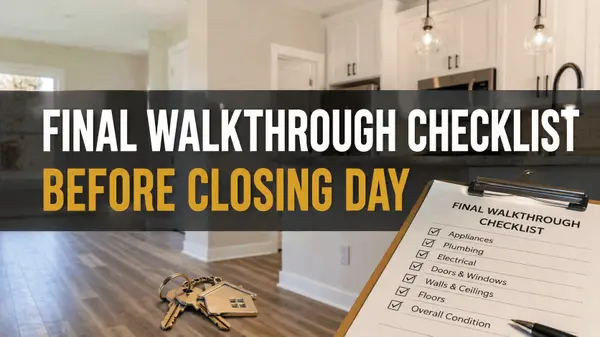
Final walkthrough and closing: The final walkthrough before closing is your last opportunity to identify issues before taking possession. Agents experienced with new construction know what to check, how to document problems, and how to ensure items are properly addressed before closing rather than becoming warranty claims afterward.
For military buyers, agents with Military Relocation Professional (MRP) certification bring additional value through understanding of PCS timelines, VA financing requirements, and unique challenges facing service members during relocations.
Step 3: Budget Beyond the Base Price
Model homes are meticulously designed to impress, featuring premium finishes, luxury upgrades, professional staging, and landscaping that create aspirational living environments. What many buyers don’t realize is that these models often include $75,000-$150,000 in upgrades beyond the standard base package, and the advertised “starting at” price reflects only the minimum configuration.
Common costs that increase your final price beyond the advertised base:
Lot premiums: Desirable lots—corner locations, cul-de-sac positions, larger parcels, view corridors, greenbelt adjacency, or premium locations within communities—carry premiums of $5,000-$50,000+ depending on the community and specific characteristics.
Design center upgrades: This is where costs escalate quickly. Cabinet upgrades ($3,000-$15,000), flooring selections ($5,000-$20,000), countertop materials ($2,000-$10,000), lighting packages ($2,000-$8,000), plumbing fixtures ($1,500-$5,000), and appliance upgrades ($3,000-$12,000) add up fast. A buyer entering the design center planning to spend $10,000-$15,000 on upgrades often emerges having committed to $40,000-$60,000.
Structural options: Additional bedrooms, extended garages, covered patios, study conversions, game rooms, and other floor plan modifications can add $5,000-$30,000+ depending on complexity.
Landscaping and outdoor features: Many builders include minimal landscaping—perhaps basic foundation plantings and sod in front only. Full yard landscaping, irrigation systems, fencing, and hardscaping for patios or pathways often cost $8,000-$25,000+ and aren’t included in base pricing.
Window treatments: Blinds, shades, and shutters throughout a home typically cost $2,000-$8,000 depending on window quantity and treatment quality.
Missing appliances: Some builders don’t include refrigerators, washers, or dryers in base pricing, requiring buyers to budget an additional $2,000-$5,000 for these essentials.
Closing costs and prepaid items: While builders sometimes offer closing cost assistance as incentives, buyers should budget 2-4% of purchase price for closing costs including title insurance, escrow fees, prepaid property taxes, homeowner’s insurance, and HOA setup fees.
Post-closing needs: Budget for items you’ll need immediately after moving in, such as garage door openers, security systems, additional landscaping, and furnishing rooms that look much larger when empty than they did in the model with furniture.
A realistic budget approach:
- Start with base price
- Add estimated lot premium ($10,000-$25,000 for most buyers seeking decent lots)
- Add realistic upgrade budget ($30,000-$50,000 for most buyers wanting the home to feel “finished”)
- Add landscaping, fencing, and window treatments ($10,000-$20,000)
- Add 3% for closing costs
- Add 5-10% buffer for unexpected items and post-closing needs
This typically means budgeting $75,000-$100,000 above base price for a home in the $350,000-$450,000 range—a calculation that helps prevent buyers from overextending financially.
Experienced REALTORS® like Tami Price help buyers prioritize which upgrades deliver long-term value versus those that can be added later after you’ve lived in the home and saved additional funds.
Step 4: Compare Builder Incentives and Preferred Lenders
Builders frequently offer incentives for using their preferred lenders or title companies, including rate buydowns, closing cost assistance, free design upgrades, or appliance packages. These incentives can be substantial—often $10,000-$40,000 in total value—making them attractive and sometimes genuinely beneficial for buyers.
However, “preferred” doesn’t automatically mean “best.” Builders establish these relationships because they receive benefits from the lenders and title companies—faster processing, predictable timelines, and often financial considerations that support the builder’s business model.
Critical questions when evaluating builder financing incentives:
Is the underlying interest rate competitive? A builder offering $15,000 in closing cost assistance but charging an interest rate 0.5% higher than market might cost you far more over the loan’s life than the upfront savings. A 0.5% rate difference on a $400,000 loan costs approximately $100+ monthly and $36,000+ over 30 years—far exceeding the $15,000 incentive.
What are the actual terms and conditions? Some incentives require rate locks at contract signing (potentially months before closing), restrictive appraisal contingencies, or limitations on loan programs that might not suit your situation.
Are you waiving any rights? Some builder lender agreements restrict your ability to shop for title insurance, require you to use specific appraisers, or limit your options if issues arise during underwriting.
How do closing costs compare? Even with incentives, total closing costs through builder preferred lenders sometimes exceed what independent lenders charge, effectively reducing or eliminating the incentive value.
The smart approach:
- Get pre-approved with the builder’s preferred lender to access incentives
- Simultaneously get pre-approved with at least one independent lender
- Compare total costs over the loan life, not just upfront incentives
- Have your REALTOR® review both options and negotiate where possible
- Choose the option that provides the best total financial outcome
For VA buyers, this analysis includes specific considerations around VA funding fees, allowable closing costs, and lender experience with VA appraisal requirements. Tami Price’s experience with VA financing, including hundreds of VA loans closed over her career and seven assumptions closed in the past year, helps military buyers navigate these comparisons effectively.
Sometimes the builder’s preferred lender provides genuinely superior value, particularly when rate buydowns or closing cost assistance are substantial and the underlying rate remains competitive. Other times, independent lenders offer better overall terms. The key is comparing options objectively rather than assuming either is automatically better.
Step 5: Always Schedule Independent Inspections
The “it’s new, why inspect?” mindset represents one of the costliest mistakes new construction buyers make. While new homes do come with warranties, those warranties don’t cover everything, have specific claim procedures and exclusions, and provide protection after closing—not prevention before you take ownership.
Professional inspections serve multiple purposes in new construction: they verify that construction meets code requirements, identify workmanship defects before they’re hidden behind drywall, ensure systems are installed and operating correctly, and document the home’s condition at completion. Perhaps most importantly, inspections give buyers leverage to demand corrections while the builder is motivated to ensure closing proceeds smoothly.
Recommended inspection phases:
Pre-foundation or framing inspection: Conducted after the foundation is poured and framing is complete but before any systems are installed or drywall goes up. This inspection verifies foundation integrity, framing quality, structural elements, and basic building envelope construction. Issues identified at this stage are typically inexpensive to correct and prevent serious problems later.
Pre-drywall inspection: Performed after rough plumbing, electrical, and HVAC installations but before drywall covers everything. This is arguably the most critical inspection phase because it’s your last opportunity to verify that systems are installed correctly, meet code, and match contract specifications. Once drywall is installed, identifying and correcting problems becomes exponentially more difficult and expensive.
During this inspection, verify:
- Electrical wiring is properly secured, grounded, and meets code
- Plumbing rough-ins are correct and leak-free
- HVAC ductwork is properly sized, sealed, and insulated
- Insulation is installed correctly in walls and ceilings
- Framing modifications (for plumbing or electrical) haven’t compromised structural integrity
- Ventilation systems for bathrooms and kitchens are properly configured
Final inspection before closing: Conducted after the home is complete and the builder declares it ready for closing. This inspection verifies that all finishes are properly installed, systems operate correctly, appliances function as intended, and no damage occurred during final construction phases. This walkthrough creates a punch list of items requiring builder correction before closing.
Cost versus value: Professional inspections typically cost $300-$500 per phase, meaning $900-$1,500 total for all three phases. Many buyers balk at this expense, particularly on top of other new construction costs. However, experienced REALTORS® like Tami Price routinely see inspections identify issues worth $10,000-$20,000+ that builders correct before closing. That’s not just cost savings—it’s ensuring your home is built correctly from the start rather than discovering problems after you’ve taken ownership and the builder’s motivation to address them has diminished.
Choosing the right inspector: Not all inspectors have equal experience with new construction. Seek inspectors who:
- Specialize in new construction inspections
- Understand current building codes
- Provide detailed written reports with photos
- Have backgrounds in construction or engineering
- Are willing to communicate with your REALTOR® and attend key inspections
Your REALTOR® can typically recommend inspectors they’ve worked with successfully on multiple transactions, ensuring you get quality service from professionals who understand what to look for and how to document findings effectively.
Step 6: Research the Community’s Long-Term Outlook
New construction communities typically develop in phases over several years, meaning the community you’re buying into on day one will evolve substantially over time. Understanding this trajectory helps set realistic expectations about what you’re actually purchasing and how your living experience will change as the community matures.
Critical research areas:
Development timeline and phasing: How many total homes are planned? How many phases remain? What’s the expected buildout timeline? Communities in early phases offer lower pricing but ongoing construction activity, limited amenities, and uncertainty about ultimate character. Late-phase communities offer established character and completed amenities but less appreciation potential.
Planned amenities and infrastructure: What amenities are promised in marketing materials? When will they actually be completed? Some communities market resort-style pools, fitness centers, and parks that won’t be built until later phases. Understanding delivery timelines prevents disappointment when you move in and discover amenities are still years away.
HOA structure and fees: Review governing documents carefully. What are current HOA fees and what do they cover? How will fees increase as amenities are completed? What restrictions govern property use, modifications, and rentals? Some HOAs prohibit or restrict rental activity, which could limit your options if circumstances require relocation before you’re ready to sell.
Commercial and retail development: Are shopping, dining, and services planned for the community or nearby? When will they arrive? Communities that promise convenient retail often see those developments delayed or cancelled if market conditions change. Understanding what’s actually under construction versus aspirational planning helps set expectations.
School capacity and quality: As new communities grow, school districts must add capacity. How is the district planning for enrollment growth? Are new schools planned? Will boundaries change as populations shift? Understanding these dynamics matters tremendously for families prioritizing education quality and stability.
Infrastructure adequacy: Does water, sewer, and transportation infrastructure support planned growth? Some rapidly growing areas have experienced infrastructure constraints that create quality of life issues until municipalities catch up with investment.
Comparable communities: How have similar communities in the area developed over time? Builders often have track records with multiple communities that provide insight into how seriously they take amenity completion, HOA management, and community quality as buildout progresses.
San Antonio communities like Haby Hill in Castroville, Caliza Reserve near Helotes, and Alsatian Oaks represent examples of newer developments blending modern design with Hill Country character and long-term value potential. However, each is in different development stages with different amenity timelines and ultimate community sizes, making individual research essential.
Step 7: Verify Builder Reputation and Warranty Support
Not all builders are created equal, and not all builder warranties provide equivalent protection. The builder you choose profoundly influences both your construction experience and your post-closing satisfaction, making reputation research essential before committing.
Key reputation factors to investigate:
Warranty coverage and structure: Does the builder self-warrant or use a third-party warranty program? Third-party programs like those provided by 2-10 Home Buyers Warranty or similar organizations offer advantages when builders refuse to honor legitimate warranty claims—you have recourse through the warranty company. Self-warranted programs depend entirely on the builder’s financial stability and willingness to honor claims.
Carefully review warranty coverage periods, exclusion lists, claim procedures, and dispute resolution processes. Some builders provide excellent comprehensive coverage; others offer minimal protection with extensive exclusions.
Customer reviews and satisfaction: Research recent buyer experiences through:
- Online reviews on Google, Facebook, and Better Business Bureau
- New home buyer survey results (some builders publish these)
- Conversations with recent buyers in the community
- Your REALTOR®’s experience with the builder
Look for patterns in feedback. Occasional negative reviews are normal, but recurring complaints about specific issues—poor warranty responsiveness, subpar construction quality, or contract disputes—signal concerns.
Service responsiveness post-closing: How quickly does the builder respond to warranty claims? Do they complete repairs promptly and correctly? Some builders maintain dedicated customer care teams that provide excellent post-closing support. Others become difficult to reach once the sale closes.
Ask your REALTOR® about their experiences with specific builders’ warranty processes. Agents who work extensively with new construction know which builders stand behind their work and which ones fight every warranty claim.
Financial stability: Is the builder financially sound? During economic downturns or housing market corrections, financially weak builders sometimes delay construction, cut corners to reduce costs, or even cease operations mid-project. While predicting financial problems isn’t always possible, buyers can look for warning signs like dramatic incentive increases, aggressive sales pressure, or reports of delayed completions across multiple communities.
Years in business and local presence: While newer builders can provide excellent quality, established builders with long San Antonio track records offer more predictability. They have developed subcontractor relationships, understand local building department requirements, and have reputations to protect that incentivize quality and customer service.
Quality of construction materials and methods: Not all builders use equivalent materials or construction techniques. Some invest in upgraded framing techniques, superior insulation, higher-quality windows, and better HVAC systems that improve energy efficiency and long-term durability. Others meet minimum code requirements but nothing beyond. Understanding these differences—which your inspector and REALTOR® can help identify—affects both immediate costs (utility bills) and long-term value.
Step 8: Know Your Closing Timeline and Coordinate Logistics
New construction closing timelines create unique logistical challenges compared to resale transactions where closing dates are typically firm commitments. Builder construction schedules depend on weather, material availability, labor scheduling, inspection approvals, and numerous other variables that can shift completion dates by weeks or even months.
Managing timeline uncertainty:
Contract language on completion dates: Most builder contracts avoid guaranteeing specific closing dates, instead offering estimated timelines with language permitting extensions for various reasons. Understanding exactly what the contract says about delays, buyer recourse, and communication obligations helps set realistic expectations.
Regular construction updates: Proactive communication with the builder and construction manager helps track progress and anticipate potential delays early rather than being surprised when your expected closing date approaches. Your REALTOR® can facilitate this communication and help interpret what you’re hearing about construction status.
Contingency planning: Particularly for military buyers with PCS report dates, families selling existing homes, or anyone with firm moving deadlines, contingency planning becomes essential. This might include:
- Temporary housing arrangements if closing delays occur
- Storage solutions for household goods
- Rental extensions if you’re currently leasing
- Bridge financing if you’re selling an existing home to purchase new construction
Coordination with existing home sales: Buyers selling current homes to purchase new construction face the most complex timeline management. Strategies include:
- Building timeline buffers into existing home sale contracts (e.g., closing your sale 30-60 days before anticipated new construction completion)
- Rent-back agreements allowing you to remain in your current home after selling while new construction completes
- Temporary housing if timing gaps occur
- Contingency clauses in your new construction contract (though builders often resist these)
Final walkthrough timing: Schedule your final walkthrough 3-7 days before closing rather than the day of closing. This provides time to create a punch list of items requiring correction and ensure the builder addresses them before closing rather than turning them into warranty claims.
Closing day preparation: Verify that all documentation is complete:
- Final warranty documents
- Appliance manuals and warranty cards
- Paint colors and material specifications
- HOA governing documents
- Survey and title commitment
- Final settlement statement
Experienced REALTORS® like Tami Price help coordinate these logistics, communicate with all parties, and adjust plans when inevitable changes occur, particularly critical for military families where timing precision can make the difference between smooth relocations and expensive complications.
Step 9: Keep Resale Value in Mind
Even when purchasing a brand-new home you intend to keep for decades, considering resale value makes financial sense. Life circumstances change—job transfers, family growth, aging parents requiring proximity, or simply evolving lifestyle preferences—and maintaining flexibility through sound real estate decisions provides options when change occurs.
Factors that influence new construction resale value:
Lot location within the community: Not all lots are created equal. Corner lots offer additional yard space and fewer adjacent neighbors. Cul-de-sac positions reduce traffic and increase privacy. Lots backing to greenbelts, preserve areas, or community amenities avoid rear neighbors and provide better views. Premium lot positions typically appreciate more quickly than interior lots on busy streets.
While premium lots cost more initially (lot premiums of $10,000-$30,000+), they often return that investment plus additional appreciation when resold. Budget-conscious buyers sometimes choose less desirable lots to minimize upfront costs but sacrifice long-term value.
Community development stage: Homes purchased in early development phases sometimes appreciate more quickly as the community establishes itself, amenities are completed, and retail follows residential growth. However, they also endure ongoing construction activity longer. Late-phase homes benefit from established communities and completed amenities but may appreciate more slowly as the “new” premium diminishes.
Builder reputation and construction quality: Homes built by reputable builders known for quality construction and responsive warranty service hold value better than those from builders with poor reputations. Future buyers will research builder reputations just as you should before purchasing.
School district quality and stability: For buyers with or planning families, school district quality profoundly influences resale value. Homes in top-rated districts command premiums and appreciate more quickly than comparable properties in weaker districts. Understanding school attendance zones, potential boundary changes, and district trajectories helps predict long-term value.
Upgrade selections that add value: Not all upgrades provide equal returns. Generally, upgrades that future buyers will value include:
- Hardwood or luxury vinyl plank flooring in main living areas
- Upgraded kitchen cabinets and countertops
- Additional garage space
- Covered outdoor living areas
- Study or flex room additions
- Energy efficiency improvements
Upgrades with lower returns include:
- Highly personalized design choices (bold paint colors, unusual tile selections)
- Luxury lighting fixtures easily changed by future owners
- Top-tier appliance packages that depreciate quickly
- Excessive bathroom upgrades beyond what the market expects
Floor plan functionality: Open layouts, main-floor bedrooms, flexible spaces, and adequate storage appeal to broad buyer pools and support resale value. Unusual floor plans, limited storage, or configurations that don’t match how modern families live can limit your buyer pool when selling.
HOA health and community management: Well-managed communities with adequate reserves, maintained amenities, and reasonable fees attract buyers and support values. Communities with deferred maintenance, special assessments, or dysfunctional HOA governance struggle with appreciation.
Infrastructure and commercial development: Proximity to quality shopping, dining, healthcare, and services enhances value. Communities that remain isolated from retail and services for extended periods often appreciate more slowly than those with convenient access to daily needs.
Strategic choices during your new construction purchase—lot selection, community timing, upgrade prioritization, and builder selection—can meaningfully enhance your equity position when circumstances eventually lead to selling or relocating. Working with an experienced REALTOR® who understands these dynamics helps make decisions that serve both immediate needs and long-term financial outcomes.
Three Takeaways
1. Builder Contracts Require Professional Review—Representation Costs You Nothing but Provides Essential Protection
Builder contracts differ fundamentally from standard Texas Real Estate Commission (TREC) resale contracts, containing builder-favorable language regarding deposits, completion timelines, change orders, and warranty coverage that can significantly impact your financial outcome and transaction experience. Unlike TREC contracts designed to balance buyer and seller interests, builder contracts are drafted by the builder’s legal team specifically to protect the builder and limit their liability. Working with an experienced REALTOR® who understands builder contract nuances provides critical protection at no additional cost to buyers—builder commission structures already include buyer agent compensation whether you use representation or not. When buyers purchase without representation, builders simply keep the entire commission rather than sharing it with a buyer’s agent, while buyers lose valuable advocacy, contract review, construction oversight, and inspection coordination that experienced agents provide throughout the process.
2. Budget Realistically Beyond Base Price—Model Homes Feature $75,000-$150,000 in Upgrades Not Included in Advertised Pricing
The “starting at” base prices builders advertise rarely reflect what buyers actually pay once lot premiums, design center upgrades, structural options, landscaping, fencing, and closing costs are included. Model homes showcase premium finishes, luxury upgrades, and professional staging that create aspirational environments featuring far more than standard base packages. Buyers who enter design centers planning to spend $10,000-$15,000 on upgrades routinely commit to $40,000-$60,000 when they fall in love with the model home aesthetic. A realistic budget for most buyers should add $75,000-$100,000 above base price for desirable lots, meaningful upgrades that make the home feel “finished,” necessary items like landscaping and window treatments, and closing costs. Experienced REALTORS® help buyers prioritize upgrades that deliver lasting value and support resale potential versus purely cosmetic selections that can be added later after you’ve saved additional funds.
3. Professional Inspections Aren’t Optional—New Construction Defects Identified During Building Are Easier and Less Expensive to Correct Than Post-Closing Warranty Claims
The misconception that new homes don’t need professional inspection because “everything is new and there’s a warranty” costs buyers thousands in repairs that could have been prevented. Even new construction can have framing defects, code violations, HVAC installation errors, plumbing issues, electrical problems, and workmanship concerns that professional inspectors identify but buyers miss. The critical difference is timing—inspections conducted during construction, particularly pre-drywall when all systems are visible and accessible, allow corrections while builders are motivated to ensure closing proceeds smoothly. Once you’ve closed and taken ownership, addressing defects requires navigating warranty claim processes with builders whose motivation to respond quickly has diminished substantially. A three-phase inspection approach—pre-foundation/framing, pre-drywall, and final before closing—typically costs $900-$1,500 but routinely identifies $10,000-$20,000+ in issues that builders correct before closing, providing both immediate financial value and long-term peace of mind that your home was built correctly from the start.
Frequently Asked Questions
Q: Do I really need a REALTOR® when buying new construction, or can I work directly with the builder’s sales agent?
A: You absolutely should work with your own REALTOR® when purchasing new construction. Builder sales representatives, regardless of how friendly and helpful they seem, work exclusively for the builder and are compensated to maximize the builder’s profit and protect the builder’s interests. They have no obligation to point out contract provisions that might disadvantage you or negotiate terms in your favor. The critical point many buyers miss is that using your own REALTOR® costs you nothing additional—builder commission structures already include compensation for buyer agents regardless of whether you actually use representation. When buyers work directly with builder sales agents without their own representation, builders simply keep the entire commission instead of sharing it with a buyer’s agent. Meanwhile, you lose valuable contract review, upgrade consultation, construction monitoring, inspection coordination, timeline management, and closing oversight that experienced buyer’s agents provide. For approximately 1,000 transactions over 18 years, Tami Price has provided this representation at no cost to buyers while saving them thousands through better contract terms, strategic upgrade selections, and construction quality oversight.
Q: How much should I budget for upgrades beyond the base price?
A: While individual situations vary based on personal preferences and budget constraints, most buyers should realistically budget $30,000-$60,000 for design center upgrades to achieve a home that feels appropriately “finished” rather than builder-basic. This typically includes improvements to flooring, cabinets, countertops, lighting, plumbing fixtures, and appliances that significantly impact both daily living experience and resale value. Additionally, budget for lot premiums ($10,000-$30,000 for desirable positions), landscaping and fencing ($8,000-$20,000), window treatments ($2,000-$6,000), and various closing costs and post-closing needs. A reasonable total budget should add $75,000-$100,000 above the advertised base price for homes in the $300,000-$450,000 range. Experienced REALTORS® help prioritize which upgrades deliver the most value for your investment and which items can reasonably be deferred until after closing when you’ve saved additional funds and lived in the home long enough to understand your actual needs versus initial wants.
Q: Should I use the builder’s preferred lender, or should I shop around?
A: The answer depends on careful comparison of actual costs and terms, not assumptions that either option is automatically better. Builders frequently offer substantial incentives—sometimes $10,000-$40,000 in rate buydowns, closing cost assistance, or upgrade credits—for using their preferred lenders, making these offers genuinely attractive. However, “preferred” doesn’t guarantee “best deal.” Sometimes builder preferred lenders charge higher underlying interest rates that cost far more over the loan’s life than upfront incentives provide. A 0.5% rate difference on a $400,000 loan costs approximately $100+ monthly and $36,000+ over 30 years—far exceeding typical incentive values. The smart approach is getting pre-approved with both the builder’s preferred lender and at least one independent lender, then carefully comparing total costs over the loan’s expected life rather than focusing exclusively on upfront incentives. Your REALTOR® can help analyze both options objectively and sometimes negotiate improved terms. For VA buyers, this analysis includes specific considerations around VA funding fees, allowable closing costs, and lender experience with VA appraisal requirements that affect the total cost comparison.
Q: What inspection phases are most important for new construction?
A: Three inspection phases provide comprehensive coverage: (1) Pre-foundation or framing inspection after the foundation is poured and framing is complete but before systems are installed, verifying foundation integrity and structural elements; (2) Pre-drywall inspection after rough plumbing, electrical, and HVAC installations but before drywall covers everything—this is arguably the most critical phase because it’s your last opportunity to verify systems are installed correctly and meet code before they’re hidden permanently; (3) Final inspection before closing after the home is complete, verifying all finishes are properly installed, systems operate correctly, and no damage occurred during final construction. While the total cost for all three phases typically runs $900-$1,500, experienced REALTORS® like Tami Price routinely see these inspections identify $10,000-$20,000+ in issues that builders correct before closing. The value extends beyond immediate cost savings—inspections provide peace of mind that your home was built correctly from the start rather than discovering problems after you’ve taken ownership when the builder’s motivation to address them has diminished substantially.
Q: How long does new construction typically take from contract signing to closing?
A: Construction timelines in San Antonio currently range from 6-12 months depending on home size, complexity, customization level, and builder efficiency. While builders once routinely completed homes within 4-6 months, supply chain disruptions, labor shortages, and permitting delays have extended timelines substantially. Most builders now quote 6-9 month timelines with some projects extending to 10-12 months. Importantly, builder contracts typically avoid guaranteeing specific completion dates, instead offering estimated timeframes with broad language allowing extensions for weather, material delays, labor issues, and other factors. Understanding this timeline uncertainty is critical, particularly for military buyers coordinating PCS moves or families selling existing homes to purchase new construction. Experienced REALTORS® help buyers monitor construction progress, maintain regular communication with builders, and develop contingency plans for potential delays to minimize disruption and avoid expensive temporary housing or storage situations when timelines slip.
Q: What’s the difference between builder warranties and third-party warranty programs?
A: Builder warranties typically include three coverage components: one-year comprehensive warranty covering workmanship and materials, two-year warranty on major systems (HVAC, plumbing, electrical), and ten-year structural warranty. However, significant differences exist between builders who self-warrant and those using third-party warranty programs. Self-warranted programs depend entirely on the builder’s financial stability and willingness to honor claims—if the builder refuses a legitimate warranty claim, your only recourse is costly litigation. Third-party warranty programs from companies like 2-10 Home Buyers Warranty provide independent oversight and dispute resolution processes, offering recourse when builders refuse to honor legitimate claims. Review warranty documents carefully to understand coverage periods, exclusion lists (many warranties exclude landscaping, appliances, and cosmetic issues), claim procedures, response timeframes, and dispute resolution processes. Ask your REALTOR® about their experiences with specific builders’ warranty responsiveness—builders who maintain dedicated customer care teams and respond promptly to warranty issues provide substantially better post-closing experiences than those who become difficult to reach once sales close.
Q: Are homes purchased early in a community’s development a better investment than those purchased later?
A: The answer depends on multiple factors and individual priorities rather than a universal rule that earlier is always better. Early-phase purchases sometimes offer advantages including lower pricing before builders raise prices in response to strong demand, appreciation potential as the community establishes itself and amenities are completed, and better lot selection before premium positions are claimed. However, early buyers also endure longer periods of ongoing construction activity with associated noise, traffic, and dust, may wait years for promised amenities to be completed, and face uncertainty about the community’s ultimate character and success. Late-phase purchases provide established community character, completed amenities, less construction disruption, and more certainty about HOA governance and neighbor demographics, but may offer less appreciation potential as the “new” premium diminishes and surrounding areas offer newer alternatives. The best approach is evaluating specific communities based on development stage, amenity completion timelines, builder reputation, pricing relative to value, and your personal priorities regarding tolerance for construction activity versus desire for established character and immediate amenity access.
Q: Can I make changes after signing the contract or completing design center selections?
A: Most builder contracts severely limit or prohibit changes after specific deadlines, particularly once design center selections are finalized and construction begins. When changes are permitted, they typically trigger substantial change order fees of 15-25% above the actual cost of the modification, turning what might be a $2,000 upgrade into a $2,300-$2,500 expense when requested after the deadline. These policies exist because changes during active construction disrupt scheduling, require rework, delay completion, and create coordination challenges with subcontractors. Understanding these limitations before signing and completing design center selections helps prevent expensive mistakes or disappointment when you realize changes aren’t feasible or are prohibitively expensive. Take time during the selection process to carefully consider options, visit the design center multiple times if needed, consult with your REALTOR® about upgrade value, and make thoughtful decisions you won’t regret rather than rushing through selections and wanting changes later.
Q: What happens if the builder doesn’t complete my home by the estimated completion date?
A: Builder contracts typically include language allowing timeline extensions for weather delays, material shortages, labor issues, permitting delays, and various other factors, often without providing buyers specific recourse or compensation for delays. Your actual rights and options depend entirely on your contract’s specific language, making careful review essential before signing. Some contracts include provisions for daily compensation or buyer walkaway rights if delays extend beyond certain periods, while others provide builders nearly unlimited extension flexibility. For buyers facing firm deadlines due to PCS moves, existing home sale closings, or lease expirations, timeline uncertainty creates serious logistical and financial challenges potentially requiring expensive temporary housing or storage arrangements. The best approach is building buffer time into your planning (don’t schedule commitments based on the estimated completion date), maintaining regular communication with the builder to track progress and anticipate potential delays early, developing contingency plans for temporary housing if needed, and working with an experienced REALTOR® who can monitor construction progress and help coordinate logistics when timeline changes occur.
The Bottom Line
Purchasing new construction in San Antonio offers tremendous opportunities—pristine condition, modern design, energy efficiency, customization options, and the satisfaction of being a home’s first owner. The region’s robust building activity across communities in San Antonio, Schertz, Helotes, Cibolo, Converse, and Boerne provides choices spanning virtually every price point, location preference, and lifestyle priority.
However, new construction purchases involve complexities that differ fundamentally from resale transactions, requiring specialized knowledge, careful preparation, and experienced representation to navigate successfully. Builder contracts contain provisions that can significantly impact your financial outcome and timeline certainty. Upgrade decisions made during design center appointments affect both immediate budgets and long-term value. Construction quality varies among builders, making reputation research and professional inspections essential. Financing incentives require careful analysis to determine actual value versus marketing appeal.
The buyers who achieve the best outcomes approach new construction purchases strategically: they work with experienced REALTORS® who understand builder contracts and construction processes; they budget realistically beyond base prices; they invest in professional inspections at critical construction phases; they research builders’ reputations and warranty support; they coordinate timelines carefully when facing firm deadlines; and they make upgrade and lot selections with both immediate needs and long-term resale value in mind.
For military families navigating PCS relocations, the stakes are particularly high. Construction timeline uncertainty can create expensive complications when report dates are firm. VA financing nuances require lenders experienced with VA appraisal requirements and assumption processes. The combination of relocation stress and new construction complexity makes experienced representation especially valuable.
Whether you’re a first-time buyer excited about selecting finishes and watching your dream home take shape, a growing family seeking more space in a modern community, a military family coordinating a PCS move with construction completion, or an investor evaluating new construction for rental purposes, the guidance provided throughout this article helps you make informed decisions that protect your interests and support successful outcomes.
San Antonio’s new construction market will continue evolving as builders respond to demographic trends, economic conditions, and buyer preferences. Staying informed about market dynamics, working with experienced professionals, and approaching purchases with clear-eyed realism rather than emotion-driven decisions positions you to take advantage of opportunities while avoiding costly mistakes.
The investment you make in proper representation, professional inspections, and careful planning pays dividends through smoother transactions, better financial outcomes, and greater long-term satisfaction with your new construction purchase.

Contact Tami Price, REALTOR®
Whether you’re exploring new construction options throughout San Antonio or considering resale homes in established neighborhoods, Tami Price brings 18 years of experience and approximately 1,000 closed transactions to help you navigate the market with confidence.
As a U.S. Air Force veteran and Broker Associate with Real Broker, LLC, Tami specializes in serving military families during PCS relocations, VA loan transactions including assumptions, new construction purchases, and buyers and sellers throughout San Antonio, Schertz, Helotes, Cibolo, Converse, and Boerne.
Contact Tami Price:
- Phone: 210-620-6681
- Email: tami@tamiprice.com
- Website: www.tamiprice.com
Tami Price’s Specialties
- New Construction Home Purchases
- Military Relocations & PCS Moves
- VA Loan Assumptions (7 closed in the past year)
- First-Time Homebuyers
- Home Sellers & Listing Representation
- Residential Real Estate Throughout San Antonio & Surrounding Areas
- Buyer & Seller Representation in Schertz, Helotes, Cibolo, Converse, and Boerne
Disclaimer
This blog post is provided for informational and educational purposes only and should not be construed as legal, financial, or contractual advice. Real estate transactions, particularly new construction purchases, involve complex legal documents and financial commitments that require professional guidance tailored to individual circumstances. Readers should consult with qualified real estate professionals, attorneys, financial advisors, and tax professionals before making any real estate purchase decisions. Builder contracts, warranty coverage, construction timelines, pricing, and incentive programs vary significantly among builders and change frequently based on market conditions. Information presented represents general guidance based on typical practices in the San Antonio market as of November 2025 but may not reflect specific situations or current offerings from individual builders. Construction costs, upgrade pricing, and timeline estimates are approximate and subject to change. Tami Price, REALTOR®, and Real Broker, LLC make no warranties or guarantees regarding the accuracy, completeness, or applicability of information presented to specific transactions or circumstances.
Categories
- All Blogs (943)
- Home Buying (20)
- Neighborhood Guides (45)
- 10 Incentive and Rate Buydown Questions (1)
- 10 Military Neighborhood (1)
- 10 Mistakes Sellers Make (1)
- 10 Strategies to Coordinate a Same Day Close (1)
- 12 Lifestyle Questions to Move In (1)
- 12 PCS What Ifs (1)
- 12 Photos and Marketing Assets (1)
- 13 PCS Hunting Trip Tips (1)
- 14 Design Center Decisions (1)
- 15 Red Flags Touring Home in San Antonio (1)
- 2026 Market (1)
- 30 days after closing your home (1)
- 7 Offer Terms Beyond Price (1)
- 7 VA Specific Questions (1)
- 78015 Ranked One (1)
- 8 Bridge (1)
- 8 Myths Buyers Believe about Down Payments (1)
- 8 Reasons VA Buyers Love New Construction (1)
- 9 Mistakes Move Up Buyers Make (1)
- 9 Questions to Decide If You Keep Your PCS Home (1)
- 9 Timeline Questions Every Buyer Need to Ask (1)
- 9 Warranty Questions to Ask (1)
- 9 Ways to Attract VA & Military Buyers (1)
- 90 days before your move (1)
- About Tami Price (6)
- Active Adult Homes (1)
- Affordable Communities (2)
- Affordable Housing & Community Development (5)
- Agent Qualifications and Credentials (1)
- Agent Qualifications and Experience (1)
- Agent Recognition (3)
- Agent Selection (1)
- AI and Real Estate Tools (1)
- Alamo Heights (5)
- Alamo Heights ISD (1)
- Alamo Heights Real Estate (1)
- Alamo Ranch (3)
- Amenities in Helotes, Texas (3)
- Apartment Market (1)
- Appraisals (1)
- Arts and Culture (1)
- Awards and Recognition (7)
- Balcones Creek (1)
- Best Neighborhoods to Live in Cibolo, TX (3)
- Best Neighborhoods to Live in San Antonio (16)
- Best Places to Live in Leon Valley: A Neighborhood Guide (1)
- Best Places to Live in Northeast Inner Loop: A Neighborhood Guide (1)
- Bexar County Property Tax (1)
- Bexar County Real Estate (3)
- Blue Tape Walkthrough (1)
- Boerne Home Sellers (1)
- Boerne Neighborhoods (2)
- Boerne Texas (9)
- Broadway Corridor Development (1)
- Build-to-Rent Communities (1)
- Builder Contracts & Warranties (3)
- Builder Incentives (1)
- Builder Warranties (1)
- Buyer (97)
- Buyer Activity San Antonio (1)
- Buyer and Seller Guidance (4)
- Buyer Due Diligence (1)
- Buyer Education (46)
- Buyer Guide (9)
- Buyer Guides (7)
- Buyer Protection Strategies (1)
- Buyer Representation (1)
- Buyer Representation Expertise (1)
- Buyer Resources (90)
- Buyer Strategy (2)
- Buyers (13)
- Buyers Agent (1)
- Buying a Foreclosed Home in San Antonio (10)
- Buying a Home (3)
- Buying a Home in San Antonio (6)
- Buying Near JBSA (1)
- Buying Timeline (1)
- Buying vs Renting (1)
- Castroville, TX (8)
- Central San Antonio (1)
- Central San Antonio Development (2)
- Central Texas Growth (1)
- Choosing a Real Estate Agent (1)
- Choosing an Agent (1)
- Cibolo Communities (1)
- Cibolo Home Sellers (1)
- Cibolo TX (15)
- Client Reviews and Testimonials (1)
- Client Satisfaction (1)
- Client Stories (1)
- Client Testimonial (4)
- Clients review (4)
- Closing (1)
- Cobblestone (1)
- Comal County (1)
- Commercial & Retail Development (27)
- Commercial Development (13)
- Commercial Development Impact on Home Values (1)
- Commercial Real Estate (1)
- Community (1)
- Community Amenities (2)
- Community Development (23)
- Community Development and Real Estate (3)
- Community Events & Development (1)
- Community Guides (1)
- Community Infrastructure (1)
- Community Investment Impact (2)
- Community Landmarks (1)
- Community News (4)
- Community Planning (2)
- Community Revitalization (1)
- Community Spotlights (1)
- Commuter Neighborhoods (1)
- Cons of Living in Helotes, TX (4)
- Conservation Communities (1)
- Contingency Questions (1)
- Converse Home Sellers (1)
- Converse Homes For Sale (3)
- Converse Real Estate (1)
- Converse TX (10)
- Converse TX Real Estate (1)
- Cost of Living Guides (1)
- Cost of Living in San Antonio TX (25)
- CPS Energy Programs (1)
- Custom Homes (5)
- Davis Ranch (1)
- Days on Market (1)
- Deco District San Antonio (1)
- Denver Heights (1)
- Down Payment Assistance (1)
- Downtown Boerne (1)
- Downtown Development (3)
- Downtown Living (1)
- Downtown Revitalization (14)
- Downtown San Antonio (2)
- Downtown San Antonio Real Estate (5)
- Downtown San Antonio Revitalization (1)
- Dual Military (1)
- East Side Living (1)
- East Side Neighborhoods (1)
- East Side San Antonio (4)
- Economic Development (3)
- Economic Growth & Industry (1)
- Education, Texas Hill Country (1)
- Emerald Pointe (1)
- Employment (1)
- Employment Corridors (1)
- Encino Forest (1)
- Entertainment Economy (1)
- Equity and Pricing Strategy (2)
- Equity Q&A (1)
- Established Communities (3)
- Events in San Antonio (207)
- Expert Advice from Tami Price, Realtor® (10)
- Fair Oak Ranch (1)
- Family Activities (2)
- Family Homes (3)
- Family Living in San Antonio (1)
- FAQ (1)
- Far Northwest San Antonio (1)
- Far West San Antonio (1)
- Far Westside Real Estate (4)
- Farmer Markets in San Antonio (1)
- Fastest Growing Zip Codes in America (1)
- Featured Homes for Sale (2)
- Featured Properties (1)
- Final Walkthrough (1)
- Financial Planning (11)
- Financing Strategy (1)
- First Time Buyers (23)
- First Time Sellers (1)
- First-Time Buyers (6)
- First-Time Homebuyer Resources (4)
- First-Time Homebuyer Tips (2)
- First-Time Homebuyers (6)
- First-Time Investors (1)
- Fort Sam Houston (3)
- Fort Sam Houston Real Estate (1)
- Fort Sam Houston, TX (2)
- Fox Grove (1)
- FSBO vs Agent Representation (1)
- Future Rental (1)
- Gated Communities (5)
- Golf Communities (1)
- Great Northwest (1)
- Greater San Antonio Housing Trends (2)
- Greater San Antonio Real Estate (5)
- Green Home Upgrades (1)
- Growth and Development (11)
- Healthcare (1)
- HELOC (1)
- Helotes Home Sellers (1)
- Highway 151 Corridor Growth (1)
- Hill Country Business (1)
- Hill Country Communities (2)
- Hill Country Development (3)
- Hill Country Homes for Sale (1)
- Hill Country Living (3)
- Hill Country Market Updates (1)
- Hill Country Real Estate (4)
- Hill Country Retreat (1)
- Historic Districts (5)
- Historic Neighborhoods (4)
- Historic Preservation (2)
- Holiday Attractions (1)
- Holiday Guide (1)
- Home Buying (7)
- Home Buying Education (3)
- Home Buying Guide (7)
- Home Buying Process (8)
- Home Buying Strategy (2)
- Home Buying Tips (6)
- Home Energy Efficiency San Antonio (5)
- Home Financing (2)
- Home Improvement ROI (1)
- Home Inspections (3)
- Home Maintenance (1)
- Home Preparation (2)
- Home Pricing Strategy (14)
- Home Renovation for Resale (1)
- Home Selling (12)
- Home Selling Guide (11)
- Home Selling Strategies (3)
- Home Selling Strategy (3)
- Home Selling Tips (22)
- Home Staging and Updates (2)
- Home Values (2)
- Homebuyer Education (15)
- Homebuyer Resources (1)
- Homebuying Guide (1)
- Homebuying Tips (3)
- Homeowner (38)
- Homeowner Tax Benefits (1)
- Homeownership Costs (1)
- Homes for Sale (2)
- Homes for sale near Lackland AFB (4)
- Homes Near Military Bases (1)
- Homestead amenities (1)
- Horizon Pointe (1)
- House Hunting Guide (1)
- Housing (1)
- Housing Community Development (1)
- Housing Development (2)
- Housing Market Updates (3)
- How to Buy a House in San Antonio TX (48)
- Huebner Oaks shopping center (1)
- Hunters Ranch (1)
- Hybrid (1)
- I-10 Corridor (1)
- I-35 Corridor (1)
- In Person (1)
- Incorporated Cities (6)
- Industrial Investment Impact (1)
- Industry News (2)
- Industry Recognition (1)
- Infrastructure & Growth Projects (26)
- Infrastructure and Sustainability (1)
- Infrastructure Development (1)
- Infrastructure Investment (1)
- Infrastructure Updates (2)
- Interest Rates (2)
- Invest in San Antonio (46)
- Investment Opportunities (3)
- Investment Property San Antonio (4)
- JBSA (9)
- JBSA Housing (11)
- JBSA Real Estate (4)
- JBSA Resources (7)
- Joint Base San Antonio (5)
- Joint Base San Antonio Housing (1)
- Judson ISD (2)
- Kendall County (1)
- La Cantera Retail Development (1)
- Lackland AFB (7)
- Lackland AFB Housing (1)
- Land Conservation (1)
- Land Use Planning (1)
- Lera MLS (15)
- Lifestyle & Community Growth (18)
- Lifestyle & Local Growth (12)
- Lifestyle Amenities (1)
- Lifestyle Communities (1)
- Listing Preparation (1)
- Listing Strategy (1)
- Live Oak (1)
- Living in San Antonio, TX (52)
- Living Near Randolph AFB (7)
- Loan Programs (1)
- Local Attractions (3)
- Local Business (1)
- Local Business & Development (9)
- Local Business & Economy (3)
- Local Business Spotlight (20)
- Local Business Support (5)
- Local Development (4)
- Local Development News (9)
- Local Market Insights (5)
- Local News (2)
- Local News Around San Antonio (2)
- Local Policy Changes (1)
- Local Real Estate News (1)
- Loop 1604 Corridor Growth (2)
- Loop 410 Corridor Development (1)
- Luxury Communities (3)
- Luxury Homes (2)
- Luxury Real Estate (1)
- Luxury Retail San Antonio (1)
- MacArthur Park (1)
- Major Developments (2)
- Making Offers on Homes (1)
- Market Analysis (26)
- Market Conditions (47)
- Market Expertise (1)
- Market Insights (5)
- Market Strategy (1)
- Market Timing (2)
- Market Trends (10)
- Market Trends & Insights (2)
- Market Update (18)
- Market Update 2026 (1)
- Market Updates (22)
- Master Planned Communities (12)
- Medical Center Area Real Estate (1)
- Medina Valley ISD (2)
- Midtown Living (1)
- Military & Economic Impact (3)
- Military Buyers (3)
- Military Communities (1)
- Military Families (1)
- Military Family Resources (1)
- Military Heritage (1)
- Military Homebuying (3)
- Military Homeownership (1)
- Military Housing (3)
- Military Housing Market in Texas (16)
- Military Life in San Antonio (2)
- Military Neighborhoods (1)
- Military PCS Relocations (3)
- Military Real Estate (2)
- Military Relocation (100)
- Military Relocation & VA Loans (10)
- Military Relocation San Antonio (4)
- Military Relocation Services (3)
- Military Relocation to San Antonio (50)
- Military Relocations (20)
- Military Relocations & VA Home Loans (5)
- Mixed-Income Housing (1)
- MLS Accuracy & Data Transparency (1)
- Mortgage Programs (1)
- Mothers Day in San Antonio (1)
- Move to Boerne TX (18)
- Move to Castroville TX (11)
- Move to Converse TX (16)
- Move to New Braunfels (1)
- Move to North San Antonio (19)
- Move to San Antonio TX (73)
- Move to Selma TX (19)
- Move to Shertz TX (13)
- Move to Texas (53)
- Move Up Buyer Resources (1)
- Move Up Buyers (23)
- Move-In Ready Homes (3)
- Move-In Ready Homes San Antonio (2)
- Move-Up Buyers (2)
- Moving to Helotes, TX (17)
- Moving to San Antonio (69)
- MUD Taxes (1)
- Natalia Homes For Sale (1)
- Near East Side Living (1)
- Negotiation Strategy (2)
- Neighborhood Amenities (1)
- Neighborhood Development (1)
- Neighborhood Guides (7)
- Neighborhood Investment (1)
- Neighborhood News (2)
- Neighborhood Revitalization (2)
- Neighborhood Spotlights (12)
- Neighborhood Updates (1)
- Neighborhoods near Randolph AFB (12)
- New Braunfels (6)
- New Braunfels Homes For Sale (1)
- New Braunfels News (3)
- New Braunfels Real Estate (3)
- New Businesses (2)
- New Construction (63)
- New Construction Communities (1)
- New Construction Homes (13)
- New Construction Homes San Antonio (5)
- New Construction vs Resale (2)
- New Construction Without Customization (1)
- New Construction Without the Wait (1)
- New Contruction Cost (1)
- New Development (3)
- New Listing (19)
- New Restaurants (3)
- News (211)
- News & updates (213)
- No HOA Homes (1)
- North Central San Antonio (5)
- North East ISD (4)
- North San Antonio (9)
- North San Antonio Real Estate (3)
- North Side Neighborhoods (1)
- North Side San Antonio Development (2)
- Northeast Inner Loop (1)
- Northeast Inner Loop Neighborhoods (1)
- Northeast San Antonio (3)
- Northside ISD (5)
- Northwest San Antonio (9)
- Northwest San Antonio Development (1)
- Northwest San Antonio Growth (1)
- Northwest San Antonio Real Estate (3)
- Northwood (1)
- Olympia Hills (1)
- One-Story Homes (1)
- Outdoor Living (1)
- Parks and Recreation (2)
- PCS and JBSA (2)
- PCS checklist (1)
- PCS Guide (4)
- PCS Moves (12)
- PCS Moves to Joint Base San Antonio (4)
- PCS Planning (16)
- PCS Randolph AFB (17)
- PCS Relocation (1)
- PCS Resources (6)
- PCS San Antonio (46)
- PCS to San Antonio (42)
- Pearl District Area Real Estate (2)
- PID Assessments (1)
- Pinon Creek (1)
- Pipe Creek (1)
- Places to Eat Near Randolph AFB (1)
- Pool Homes (1)
- Pre Approval (1)
- Pre-Listing Preparation (2)
- Pre-Listing Process (1)
- Prescott Oaks (1)
- Pricing and Marketing Strategy (3)
- Professional Awards and Achievements (2)
- Professional Real Estate Representation (1)
- Property Tax Exemptions Texas (1)
- Property Value Enhancement (1)
- pros and cons living in Converse TX (3)
- Pros and Cons Living in Selma TX (6)
- Pros and Cons of Living in Castroville, TX (4)
- Pros and Cons of Living in San Antonio (33)
- PT500 List (1)
- Purchase Negotiation (1)
- Quality of Life (1)
- Quick Close Real Estate (1)
- Randolph AFB Neighborhoods (2)
- Real Estate (1)
- Real Estate Advice (1)
- Real Estate Agent Recognition (6)
- Real Estate Agent Selection (2)
- Real Estate Agent Value (1)
- Real Estate Consultation (1)
- Real Estate Finance (1)
- Real Estate Financing (1)
- Real Estate Impact (1)
- Real Estate Investment San Antonio (2)
- Real Estate Legal Issues (1)
- Real Estate Market Insights (2)
- Real Estate Market Trends (5)
- Real Estate Professional Designations (1)
- Real Estate Strategy (1)
- Real Estate Technology & Trends (2)
- Real Estate Tips (1)
- Real Estate Tips and Guides (2)
- Real Estate Trends (4)
- RealTrends Verified (1)
- Regional Development (1)
- Regional Real Estate (2)
- Relocating to San Antonio (2)
- Relocation (4)
- Relocation Resources (2)
- Relocation to San Antonio (55)
- Remote Homebuying (1)
- Rental Housing (1)
- Rental Property (1)
- Rental Strategy (1)
- Resale Properties (1)
- Retail Development (2)
- Retire in Boerne TX (11)
- Retire in San Antonio (37)
- Retirement Communities (1)
- Reviews and Recognition (1)
- Rockwall Ranch (1)
- Rural Living (2)
- SABOR (28)
- San Antonio Area Listings (1)
- San Antonio Business Growth (1)
- San Antonio Buyer Resources (2)
- San Antonio Communities (3)
- San Antonio Community Events (1)
- San Antonio Community News (1)
- San Antonio Data Center Development (1)
- San Antonio Development (5)
- San Antonio Development & East Side Real Estate (1)
- San Antonio Dining and Lifestyle (3)
- San Antonio East Side Development (1)
- San Antonio Employment Growth (1)
- San Antonio Food & Community Development (2)
- San Antonio Growth (8)
- San Antonio Home Buying and Selling (2)
- San Antonio Home Buying Guide (5)
- San Antonio Home Improvement (2)
- San antonio home prices (3)
- San Antonio Home Sellers (3)
- San Antonio Homeowner Guide (1)
- San Antonio Homeowner Resources (1)
- San Antonio Homes for Sale (12)
- San Antonio Housing Market (2)
- San Antonio Housing Market & Mortgage Financing (2)
- San Antonio Housing Market Analysis (2)
- San Antonio Housing Trends & Market Analysis (4)
- San Antonio Industrial Development (1)
- San Antonio Industrial Policy (1)
- San Antonio Investment Properties (2)
- San Antonio Job Market (1)
- San Antonio Lifestyle Amenities (2)
- San Antonio Listing (1)
- San Antonio Living (1)
- San Antonio Market (3)
- San Antonio Market Updates (18)
- San Antonio Military Relocation (3)
- San Antonio Neighborhoods (67)
- San Antonio New Construction & Master-Planned Communities (4)
- San Antonio New Home Communities (1)
- San Antonio News (229)
- San Antonio North Side Development (1)
- San Antonio Parks (1)
- San Antonio Property Investment (1)
- San Antonio Property Taxes (2)
- San Antonio Real Estate (164)
- San Antonio Real Estate Agents (6)
- San Antonio Real Estate Excellence (1)
- San Antonio Real Estate Guide (6)
- San Antonio Real Estate Market (41)
- San Antonio Real Estate Market Analysis (6)
- San Antonio Real Estate News (2)
- San Antonio REALTOR Awards (1)
- San Antonio Restaurant News (2)
- San Antonio Restaurant Openings (1)
- San Antonio Seller Resources (2)
- San Antonio Sellers (1)
- San Antonio Spec Homes (1)
- San Antonio Spurs Community Programs (1)
- San Antonio Suburbs (1)
- San Antonio Transportation (2)
- San Antonio University Area Housing (1)
- San Antonio Urban Living (7)
- San Antonio West Side Development (2)
- San Antonio Zoning Policy (1)
- Scenic Loop (1)
- Schertz Home Sellers (1)
- Schertz Real Estate (1)
- Schertz, TX (13)
- School Districts (1)
- School Information (1)
- SCUCISD Schools (1)
- Secured Quick Offer (1)
- Sell Home In San Antonio TX (64)
- Seller (83)
- Seller Education (24)
- Seller Guide (4)
- Seller Guides (1)
- Seller Representation Expertise (1)
- Seller Resources (68)
- Seller Should Understand (1)
- Seller Strategy (3)
- Seller Tips (2)
- Sellers (10)
- Selling A Home in San Antonio (62)
- Selling Your San Antonio Home (3)
- Selma TX (9)
- Single-Story Homes (4)
- Smart Homes (1)
- Solar Homes (3)
- South San Antonio Real Estate (1)
- South Side Economic Growth (1)
- South Side San Antonio (1)
- Southtown (2)
- Southwest San Antonio Real Estate (1)
- Spec Homes and Inventory Homes (2)
- Spurs Arena Project Marvel (1)
- Stone Oak (2)
- Stone Oak Community News (5)
- Suburban Housing Growth (12)
- Suburban Living (2)
- Talise De Culebra (1)
- Technology Growth (3)
- Technology Sector Growth (1)
- Terrell Hills (3)
- Texas Acreage Properties (3)
- Texas Homestead Exemption (1)
- The Dominion Real Estate (1)
- The Rim Area Real Estate (1)
- Things to do in San Antonio TX (22)
- Things to do Near Randolph AFB (4)
- Time Planning (1)
- Time-Sensitive Home Buying (1)
- Timing Strategy (1)
- Tips for Buying New Construction (9)
- Tobin Hill Neighborhoods (2)
- Top Real Estate Agent in San Antonio (3)
- Tourism and Economic Development (1)
- Traders's Joe San Antonio (1)
- Transaction Coordination (1)
- Transportation Infrastructure (1)
- Two-Story Homes (2)
- Universal City (1)
- Updated Homes (2)
- Upscale Communities (1)
- Urban Communities (2)
- Urban Corridor Real Estate (1)
- Urban Development (5)
- Urban Living (3)
- Urban Neighborhoods (4)
- Urban Real Estate (1)
- Urban Renewal Projects (1)
- Urban Revitalization San Antonio (1)
- Utility Cost Reduction (1)
- UTSA Campus Development (1)
- VA Buyers (1)
- VA Home Loan Benefits (3)
- VA Loan Assumptions (3)
- VA loan benefits (27)
- VA Loan Guidance (1)
- VA Loan Home Buying Assistance (2)
- VA Loans (71)
- VA Loans and Military Benefits (3)
- VA Loans and Military Home Buying (3)
- VA Loans San Antonio (43)
- VET Benefits Living in San Antonio (3)
- Veterans Resources (3)
- Village Northwest (1)
- Virtual Buyers (1)
- Walkable Communities (1)
- week in sales (41)
- Weekly Sales Report (42)
- West San Antonio (2)
- West San Antonio Development (1)
- West San Antonio Real Estate (3)
- West San Antonio Real Estate Market (2)
- West Side Infrastructure Planning (1)
- West Side Real Estate (1)
- West Side San Antonio (2)
- Windcrest Homes for Sale (1)
Recent Posts