Burger Boy St. Mary's Reopening in 2026 After Rebuild
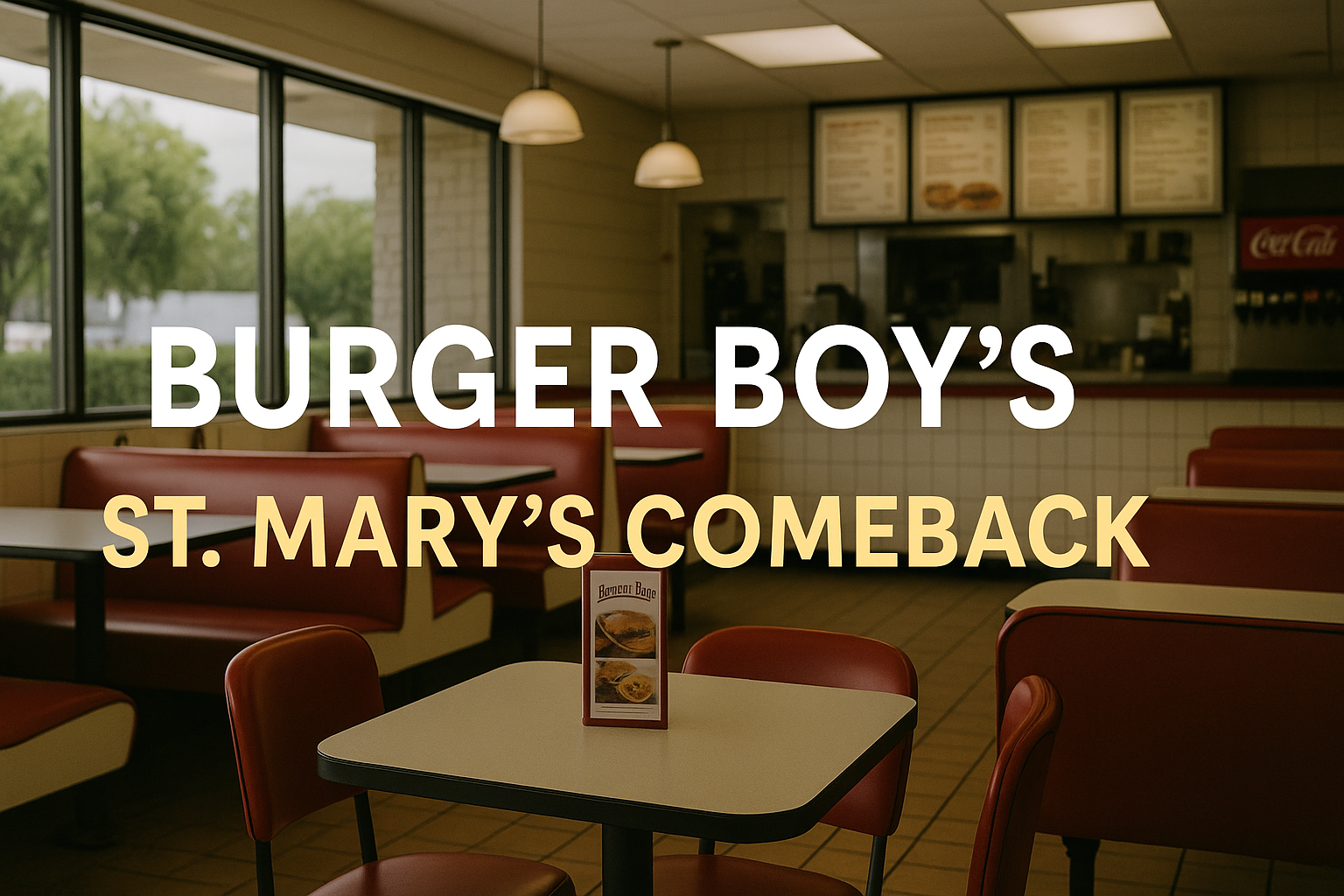
Few restaurants hold the kind of place in San Antonio's collective memory that Burger Boy does. The local chain has served generations of residents with classic burgers, crinkle cut fries, and old school charm that evokes a simpler era of American dining. Now, after an unexpected closure due to fire damage, the original St. Mary's Street location is officially being rebuilt with plans to reopen in early 2026. This news has resonated throughout the community, bringing relief to longtime fans who worried they had lost a piece of San Antonio history.
The St. Mary's Street location represents more than just another restaurant in the Burger Boy family. This flagship spot helped establish the brand's identity and cultivated the loyal following that has sustained the chain for decades. The fire that damaged the building created uncertainty about whether this particular location would return. Confirmation of the rebuild demonstrates both the ownership's commitment to the original site and the community demand that made reconstruction worthwhile.
For those living in or considering buying a home in San Antonio, understanding how beloved local businesses contribute to neighborhood character provides valuable context for real estate decisions. The St. Mary's corridor has evolved significantly in recent years, attracting new restaurants, bars, and entertainment venues while maintaining connections to its past. Burger Boy's return reinforces this balance between growth and preservation that makes the area appealing to residents seeking authentic San Antonio experiences.
This guide explores what the Burger Boy reopening means for the St. Mary's corridor, why legacy businesses matter for community identity, and how developments like this reflect the broader trajectory of downtown and Midtown San Antonio neighborhoods.
What Happened to the Original Burger Boy Location on St. Mary's Street?
The original Burger Boy location on St. Mary's Street suffered fire damage that forced its closure. The incident created immediate uncertainty about the future of a restaurant that had become woven into the fabric of San Antonio's dining culture. Regular customers who had visited for years suddenly found themselves without access to a familiar spot that held personal significance beyond just the food it served.
Fire damage to commercial buildings often presents property owners with difficult decisions. Reconstruction costs, insurance considerations, lease arrangements, and business viability all factor into whether damaged locations return or close permanently. Many beloved restaurants have disappeared from cities after similar incidents when rebuilding proved impractical or uneconomical. The concern among Burger Boy fans reflected awareness of this reality.
Q: When did the fire damage occur at the St. Mary's location?
A: The specific date of the fire was not detailed in available sources. What matters most for the community is the confirmed commitment to rebuild and reopen the location. The ownership's decision to invest in reconstruction rather than abandoning the site demonstrates confidence in both the brand's future and the St. Mary's corridor's continued viability as a dining destination.
The rebuild process requires more than simply repairing damage. Commercial restaurant construction involves permitting, inspections, equipment installation, and various regulatory requirements that extend timelines beyond what residential repairs might require. The early 2026 target provides a realistic window that accounts for these complexities while giving the community a concrete timeframe to anticipate.
Why Does Burger Boy Hold Such Significance for San Antonio Residents?
Understanding why a burger restaurant's reopening generates such community interest requires appreciating what establishments like Burger Boy represent in local culture. These are not simply places to eat but gathering spots where memories accumulate across generations. Parents bring children to places they visited as children themselves, creating continuity that connects past and present.
Burger Boy's appeal stems partly from its consistency. The classic American burger joint aesthetic, the familiar menu items, and the unpretentious atmosphere have remained largely unchanged even as San Antonio has grown and evolved around these locations. In a city experiencing rapid development and demographic shifts, places that feel unchanged provide anchoring points for longtime residents navigating a transforming landscape.
Q: What makes Burger Boy different from national burger chains?
A: Local ownership and San Antonio roots distinguish Burger Boy from national competitors. The chain developed here and grew with the city rather than arriving as an outside brand. Menu items, pricing, and atmosphere reflect local preferences rather than corporate standardization. This authenticity resonates with residents who value supporting homegrown businesses over national alternatives.
The nostalgia factor carries genuine emotional weight. Many San Antonians can recall specific memories tied to Burger Boy visits including post game meals after high school sports, late night stops during teenage years, or family outings that became traditions. These personal connections transform a restaurant from a commercial establishment into a community institution.
Elements that contribute to Burger Boy's local significance include:
- Decades of continuous operation establishing deep community roots
- Consistent menu and atmosphere maintaining familiar experience
- Local ownership keeping decisions and profits within San Antonio
- Affordable pricing making visits accessible across income levels
- Multiple locations serving different parts of the metropolitan area
- Generational patronage creating family traditions around visits
What Is Happening on the St. Mary's Street Corridor?
The St. Mary's Street corridor has experienced significant transformation in recent years, evolving from a somewhat overlooked stretch into one of San Antonio's most active dining and entertainment districts. This evolution provides important context for understanding why Burger Boy's return matters for the area's continued development and character.
New restaurants, bars, coffee shops, and entertainment venues have opened throughout the corridor, attracting visitors from across the metropolitan area. The mix includes diverse cuisines, craft cocktail establishments, live music venues, and casual dining options that appeal to varied tastes and occasions. This commercial activity has brought energy and foot traffic to streets that once saw less consistent activity.
Q: How has St. Mary's Street changed in recent years?
A: The corridor has transitioned from a mixed use area with inconsistent commercial activity into a recognized destination for dining and nightlife. New business openings have filled previously vacant storefronts while property improvements have enhanced the streetscape. The area now draws visitors specifically seeking the concentration of options it offers rather than just passing through.
The growth has attracted both local entrepreneurs and outside investors who see potential in the corridor. This investment has improved physical conditions along the street while expanding options for residents and visitors. However, rapid change also raises questions about maintaining the authentic character that made the area interesting in the first place.
Burger Boy's return addresses this tension directly. As new concepts arrive, having legacy businesses remain provides continuity with the corridor's past. The combination of established favorites and fresh additions creates a more complete neighborhood identity than either could achieve alone.
Recent developments along the St. Mary's corridor include:
- New restaurant openings spanning diverse cuisines and price points
- Bar and cocktail establishment expansion serving nightlife demand
- Coffee shops and casual spots supporting daytime activity
- Live music venues adding entertainment programming
- Property improvements enhancing streetscape appearance
- Mixed use developments adding residential density nearby
How Do Legacy Businesses Contribute to Neighborhood Identity?
The concept of legacy businesses describes establishments that have operated in communities long enough to become embedded in local identity. These businesses serve functions beyond their commercial purposes, acting as gathering places, memory repositories, and symbols of neighborhood continuity. Their presence signals stability and authenticity that newer establishments cannot immediately replicate.
Urban planners and community development professionals increasingly recognize legacy business value. Some cities have created formal programs to support long operating establishments facing displacement pressures from rising rents or redevelopment. The recognition reflects understanding that neighborhoods lose something significant when all their familiar touchstones disappear, even if replacement businesses offer comparable or superior products and services.
Q: Why do legacy businesses matter for communities?
A: These establishments provide continuity during periods of change, giving longtime residents familiar anchors while newcomers gain access to authentic local experiences. They contribute institutional memory about how neighborhoods functioned in earlier eras. Their survival demonstrates commercial viability that can encourage other local entrepreneurs. The relationships they maintain with regular customers create social bonds that strengthen community fabric.
For the St. Mary's corridor specifically, Burger Boy represents connection to an earlier version of the neighborhood before recent development transformed it. Longtime residents remember when the restaurant operated in a different commercial context. Its return bridges that past with the present, demonstrating that growth need not require abandoning everything familiar.
The balance between preservation and evolution challenges every growing neighborhood. Too much preservation can prevent necessary adaptation to changing demographics and preferences. Too much change can erase the character that made areas appealing initially. Legacy businesses help navigate this balance by maintaining continuity while surrounding development proceeds.
Functions that legacy businesses serve in communities include:
- Providing gathering places where regulars develop relationships
- Maintaining visible connections to neighborhood history
- Demonstrating commercial viability that encourages other local entrepreneurs
- Offering longtime residents familiar touchstones amid change
- Creating authentic experiences that attract visitors seeking local character
- Contributing institutional knowledge about community preferences and patterns
What Does the Reopening Mean for Downtown and Midtown San Antonio?
The St. Mary's corridor sits at the intersection of downtown San Antonio and the Midtown area, connecting these districts while maintaining its own identity. Understanding this geographic context helps explain why developments along St. Mary's matter for the broader central city and why the Burger Boy reopening carries significance beyond just one restaurant returning.
Downtown San Antonio has experienced substantial investment and development in recent years. New residential buildings, hotel projects, office developments, and public space improvements have transformed portions of the urban core. The River Walk continues attracting visitors while newer districts like the Pearl have created additional destinations drawing people to central locations.
Q: How does St. Mary's Street connect to broader downtown development?
A: The corridor provides a link between established downtown attractions and emerging Midtown areas, creating connectivity that benefits both. Visitors to downtown can extend their explorations along St. Mary's, while Midtown residents have convenient access to the full range of downtown amenities. This connecting function makes the corridor's health important for overall central city vitality.
Midtown itself has seen significant residential development with new apartment buildings and townhome projects adding density to areas near St. Mary's. These residents represent a growing customer base for corridor businesses. They walk to restaurants, patronize local shops, and contribute to the street level activity that makes urban neighborhoods vibrant.
Burger Boy's return supports this ecosystem by providing an affordable, casual dining option that appeals to diverse customers. Not every meal requires a special occasion restaurant, and having quality everyday options matters for residents who live nearby. The mix of upscale and casual, new and established, creates a complete neighborhood where people can meet various needs within walking distance.
How Should Homebuyers Evaluate Neighborhoods Based on Local Businesses?
Those exploring homes for sale in San Antonio benefit from considering neighborhood commercial offerings alongside property characteristics. Local businesses contribute to daily quality of life in ways that property features alone cannot address. Understanding how to evaluate these factors helps buyers identify communities matching their lifestyle preferences.
Start by identifying the types of businesses that matter most for your household. Families with children might prioritize casual, affordable restaurants suitable for weeknight dinners. Young professionals could value walkable bars and entertainment options. Retirees might focus on coffee shops and daytime gathering spots. Knowing your priorities helps focus evaluation on relevant commercial characteristics.
Q: What should buyers look for in neighborhood commercial districts?
A: Consider diversity of options, price point range, operating hours, and mix of local versus chain establishments. Neighborhoods with varied offerings serve more needs locally. Areas with only high end options may lack everyday convenience while those with only fast food might disappoint buyers seeking quality. The combination of legacy businesses and new concepts often indicates healthy commercial evolution.
Visit potential neighborhoods at different times to observe commercial activity patterns. A corridor that feels busy on weekend evenings might be quiet during weekday afternoons. Understanding when businesses operate and when foot traffic occurs helps assess whether the area matches your likely usage patterns. Walkability matters most when businesses operate during hours you would actually visit them.
The St. Mary's corridor offers a particular combination of characteristics that appeals to certain buyer profiles. Those seeking urban living with walkable dining and entertainment find the area attractive. Buyers preferring quieter suburban environments might find the activity level overwhelming. Neither preference is wrong, but understanding what you want helps identify suitable neighborhoods.
Factors to evaluate regarding neighborhood commercial offerings:
- Mix of restaurant types serving various occasions and price points
- Presence of daily convenience services like groceries and pharmacies
- Balance between local independent businesses and chains
- Operating hours matching your likely usage patterns
- Walkability from potential homes to commercial areas
- Parking availability for driving access when needed
- Trajectory of commercial investment showing improvement or decline
What Neighborhoods Offer Convenient Access to the St. Mary's Corridor?
The St. Mary's corridor serves residents from multiple surrounding neighborhoods, each offering distinct characteristics and housing options. Understanding this geographic context helps buyers identify areas that provide access to corridor amenities while matching other preferences regarding housing type, price point, and neighborhood character.
Midtown encompasses areas immediately surrounding portions of St. Mary's Street, offering some of the most convenient access to corridor businesses. Housing options include historic homes, newer townhome developments, and apartment buildings serving various preferences and budgets. The neighborhood has seen significant investment in recent years as demand for urban living has increased.
Q: What housing options exist near the St. Mary's corridor?
A: The surrounding areas offer diverse choices including single family homes in established neighborhoods, townhomes in newer developments, condominiums in converted or new construction buildings, and apartment rentals spanning various price points. This variety means buyers with different budgets and preferences can find options with convenient access to corridor amenities.
Tobin Hill borders St. Mary's and has experienced substantial revitalization. Historic homes alongside new infill construction create an eclectic mix. The neighborhood offers walkable access to corridor businesses while maintaining residential character distinct from more commercial areas. Prices vary significantly based on property condition, size, and specific location within the neighborhood.
Other nearby neighborhoods include Beacon Hill, Mahncke Park, Monte Vista, and portions of Dignowity Hill on the east side. Each offers different characteristics in terms of architecture, lot sizes, price points, and community identity. Working with a REALTOR® familiar with central San Antonio helps navigate these options and identify neighborhoods matching specific buyer priorities.
Neighborhoods with access to the St. Mary's corridor include:
- Midtown with diverse housing types and urban character
- Tobin Hill featuring historic homes and new infill construction
- Beacon Hill offering affordable options near central amenities
- Monte Vista showcasing historic architecture and established character
- Mahncke Park providing early twentieth century homes near Brackenridge Park
- Downtown lofts and apartments for fully urban living
- Dignowity Hill on the east side with ongoing revitalization
How Does the Mix of Old and New Businesses Benefit Neighborhoods?
Commercial corridors that include both established legacy businesses and newer concepts often demonstrate healthier dynamics than those dominated entirely by either category. Understanding why this mix matters helps residents and potential buyers appreciate what makes certain neighborhoods successful while others struggle to maintain vitality.
Legacy businesses provide stability and authenticity that new establishments cannot immediately offer. Their continued operation demonstrates that the corridor has supported commercial activity over extended periods, suggesting conditions favorable for business success. Regular customers provide reliable revenue that helps establishments weather temporary challenges. The familiarity they offer gives longtime residents reasons to continue patronizing local businesses rather than traveling elsewhere.
Q: What do new businesses contribute that legacy establishments cannot?
A: New concepts bring fresh energy, contemporary trends, and appeal to demographics that might not find existing options compelling. They demonstrate that the corridor attracts entrepreneurial investment and that commercial activity is expanding rather than merely maintaining. New businesses often introduce innovations that keep corridors relevant as preferences evolve. Their presence signals confidence in the area's future potential.
The interaction between old and new creates dynamics beneficial for both. New establishments benefit from foot traffic generated by popular legacy businesses. Legacy businesses gain exposure to customers drawn by new concepts they might not have otherwise visited. The combined offerings create more complete commercial districts that serve broader needs than either category could address alone.
For the St. Mary's corridor, Burger Boy's return restores an element that new development alone could not provide. No amount of trendy new restaurants could replicate the specific significance this establishment holds for longtime San Antonians. Simultaneously, the new businesses that have opened create excitement and options that the original Burger Boy alone could not provide. Together, they create a more appealing destination than either could achieve independently.
What Does This Reopening Signal About San Antonio's Growth Patterns?
The Burger Boy rebuild decision reflects broader patterns in how San Antonio is developing and how residents, businesses, and investors view the city's trajectory. Understanding these patterns helps those considering the area appreciate what drives growth and how different neighborhoods are evolving.
San Antonio has experienced sustained population growth that ranks among the fastest for major American cities. This growth creates demand for housing, services, and amenities throughout the metropolitan area. Commercial developers and business operators respond to this demand by opening new locations and investing in improvements that serve expanding populations.
Q: Why are businesses investing in central San Antonio corridors?
A: Central city locations offer advantages including established infrastructure, proximity to employment and cultural attractions, walkability that appeals to certain demographics, and authentic character that suburban locations cannot replicate. As preferences shift toward urban living for some segments of the population, demand for central city housing and amenities has increased. Businesses follow this demand by locating where customers concentrate.
The decision to rebuild Burger Boy on St. Mary's rather than simply maintaining other locations reflects confidence in the corridor's future. Reconstruction requires significant investment that operators would not make without believing in long term viability. This confidence suggests the ownership sees sustained demand from both longtime fans and new residents moving into surrounding areas.
Growth patterns in San Antonio show development proceeding in multiple directions simultaneously. Suburban expansion continues on the city's edges as new subdivisions and commercial centers serve growing populations. Central city investment also proceeds as urban neighborhoods attract residents and businesses seeking different lifestyles. This dual pattern creates diverse options for residents with varying preferences.
How Can Residents Support Local Businesses Like Burger Boy?
Communities that value their local businesses can take concrete actions to support them beyond simply hoping they survive. Understanding what helps local establishments thrive empowers residents to contribute to commercial vitality in their neighborhoods.
The most direct support comes through patronage. Visiting local restaurants, shops, and services rather than always choosing chains or online alternatives keeps money circulating within the community. Regular customers provide the reliable revenue that helps businesses weather slow periods and unexpected challenges. Establishing routines that include local business visits creates habits supporting neighborhood commercial health.
Q: What else can residents do beyond just visiting local businesses?
A: Word of mouth recommendations help local establishments reach new customers without expensive advertising. Positive online reviews improve visibility for people searching for dining options. Social media sharing exposes businesses to networks that might not otherwise encounter them. Attending events, joining loyalty programs, and engaging with businesses on their platforms all demonstrate customer investment that encourages operators.
Understanding business realities also helps. Local establishments often operate on thin margins and face challenges that national chains can absorb more easily. Patience during busy times, understanding about occasional inconsistency, and constructive feedback rather than harsh criticism all contribute to environments where local businesses can succeed.
When beloved establishments face challenges like the fire that damaged Burger Boy, community response matters. The outpouring of support and expressions of hope for rebuilding likely factored into the decision to invest in reconstruction. Knowing that customers await their return provides motivation for operators to undertake difficult rebuilding processes.
Ways residents can support local businesses include:
- Regular patronage choosing local options over chains when possible
- Positive online reviews improving visibility for potential new customers
- Word of mouth recommendations to friends, family, and colleagues
- Social media sharing exposing businesses to broader networks
- Constructive feedback helping operators improve
- Patience and understanding during challenging periods
- Attending special events and promotions supporting business initiatives
- Gift card purchases providing immediate revenue for later redemption
What Should San Antonio Residents Expect During the Rebuild Period?
The period between now and the early 2026 reopening will see construction activity at the St. Mary's site as the rebuild proceeds. Understanding what to expect helps nearby residents and corridor visitors plan accordingly while maintaining anticipation for the eventual reopening.
Construction projects in commercial corridors typically involve some disruption to surrounding areas. Noise, traffic pattern changes, parking impacts, and visual clutter from construction equipment and materials all affect the immediate vicinity during active work phases. Neighboring businesses may experience temporary inconvenience even as they anticipate the benefits that a reopened Burger Boy will bring to corridor foot traffic.
Q: Will the rebuilt restaurant look the same as before?
A: Specific design plans for the reconstruction have not been detailed in available sources. Rebuilding after fire damage provides opportunities to update facilities while potentially maintaining visual elements that customers associate with the location. The balance between modernization and preservation of familiar character will likely influence design decisions, though specifics remain to be announced.
The early 2026 target provides a general timeframe but should be understood as an estimate rather than a guaranteed date. Commercial construction projects frequently encounter delays from permitting processes, supply chain issues, weather, or unexpected complications discovered during work. The important news is the confirmed commitment to rebuild rather than any specific opening date that might shift as the project proceeds.
Monitoring announcements from Burger Boy through their social media channels and website will provide the most current information as the project advances. The company will likely share updates about construction progress and eventually announce specific opening plans as completion approaches.
Expert Insight from Tami Price
"Burger Boy coming back to St. Mary's is great news for the entire area," says Tami Price, REALTOR® and Broker Associate with Real Broker, LLC. "It's one of those classic local spots that people genuinely connect with, and its return brings even more personality to the corridor. When buyers ask me about downtown and Midtown neighborhoods, the mix of new developments and beloved local institutions like this is part of what makes the area special."
Price brings nearly two decades of experience and approximately 1,000 closed transactions to her work with buyers and sellers throughout San Antonio, Schertz, Cibolo, Helotes, Converse, and Boerne. Her understanding of how neighborhood character affects buyer decisions helps clients evaluate options throughout the metropolitan area.
"Central San Antonio offers something different from suburban neighborhoods, and the St. Mary's corridor exemplifies that," Price explains. "Walkability, diverse dining options, and urban energy appeal to certain buyers. Having legacy businesses like Burger Boy alongside newer concepts creates the kind of complete neighborhood that people want to be part of."
Her recognition as a RealTrends Verified Top Agent and 14-time Five Star Professional Award Winner reflects consistent client satisfaction across diverse transaction types. These recognitions demonstrate the value of working with experienced representation when evaluating neighborhoods and making purchase decisions in San Antonio's varied real estate market.
"I track developments like this because they matter to my clients," Price notes. "When a beloved local spot returns after a setback, it tells you something about the community's strength and the corridor's appeal. That context helps buyers understand what they're getting beyond just the property itself."
Three Key Takeaways
1. Burger Boy Is Rebuilding Its Original St. Mary's Street Location After Fire Damage With Plans to Reopen in Early 2026
The confirmation of reconstruction brings welcome news to San Antonio residents who value this local institution. The flagship location helped establish Burger Boy's identity and holds particular significance for longtime customers with memories spanning decades. The ownership's decision to invest in rebuilding rather than abandoning the site demonstrates confidence in both the brand's future and the St. Mary's corridor's continued viability as a dining destination.
2. The Reopening Reflects the Healthy Balance Between Legacy Businesses and New Development Along the St. Mary's Corridor
As the corridor has evolved with new restaurants, bars, and entertainment venues, maintaining connections to established favorites becomes increasingly valuable. Burger Boy's return provides continuity with the neighborhood's past while new concepts bring fresh energy and contemporary options. This combination creates a more complete commercial district than either category could achieve alone, appealing to both longtime residents and newcomers seeking authentic local experiences.
3. Legacy Businesses Contribute to Neighborhood Identity in Ways That Matter for Residents and Homebuyers Evaluating San Antonio Communities
Those considering buying a home in San Antonio benefit from understanding how local businesses shape neighborhood character and daily quality of life. The St. Mary's corridor offers walkable dining and entertainment that appeals to buyers seeking urban living. The mix of established favorites and new additions creates the authentic character that distinguishes vibrant neighborhoods from generic commercial districts.
Frequently Asked Questions
Q: When will Burger Boy reopen on St. Mary's Street?
A: The restaurant is expected to reopen in early 2026. This timeline accounts for construction, permitting, equipment installation, and various requirements that commercial restaurant projects involve. Specific opening dates will likely be announced as construction nears completion, and customers should monitor Burger Boy's official channels for updates.
Q: What happened to the original St. Mary's location?
A: The location suffered fire damage that forced its closure. The extent of damage required full reconstruction rather than simple repairs. The ownership has committed to rebuilding the location and returning Burger Boy to its original St. Mary's Street site rather than abandoning the flagship location.
Q: Will the rebuilt restaurant look the same as before?
A: Specific design details for the reconstruction have not been released. Rebuilding after fire damage provides opportunities for updates while potentially maintaining visual elements customers associate with the location. The company has not detailed how closely the rebuilt restaurant will match the original appearance.
Q: Are other Burger Boy locations still open during the rebuild?
A: Burger Boy operates multiple locations throughout San Antonio. The St. Mary's closure affected only that specific site, with other locations continuing normal operations. Customers can visit other Burger Boy restaurants while awaiting the St. Mary's reopening in early 2026.
Q: Why does the St. Mary's location matter more than other Burger Boy spots?
A: This location holds particular significance as the original flagship restaurant that helped establish the brand's identity. Many longtime customers have specific memories tied to this site spanning decades. While all locations serve the same menu, the original spot carries historical and emotional weight that other locations cannot replicate.
Q: How has the St. Mary's corridor changed in recent years?
A: The corridor has evolved into one of San Antonio's most active dining and entertainment districts. New restaurants, bars, and venues have opened throughout the area, attracting visitors from across the metropolitan region. Property improvements have enhanced the streetscape while increased foot traffic has created more vibrant street level activity.
Q: What neighborhoods are near the St. Mary's corridor?
A: Surrounding neighborhoods include Midtown, Tobin Hill, Beacon Hill, and portions of downtown San Antonio. These areas offer various housing options from historic homes to new construction, providing choices for buyers seeking convenient access to corridor amenities at different price points and housing types.
Q: How can residents support Burger Boy and other local businesses?
A: Direct patronage provides the most important support for local establishments. Beyond visiting, residents can leave positive online reviews, share recommendations with friends, and engage with businesses on social media. Understanding that local restaurants often operate on thin margins and showing patience during busy periods also contributes to environments where local businesses can thrive.
The Bottom Line
Burger Boy's original St. Mary's Street location returning in early 2026 represents a meaningful moment for San Antonio's local food culture and the evolving corridor that will welcome it back. The decision to rebuild after fire damage demonstrates commitment to a site that holds particular significance for the brand and its customers. For longtime residents with memories spanning decades at this location, the news brings relief that a familiar touchstone will return.
The reopening also matters for the broader St. Mary's corridor and surrounding neighborhoods. As new restaurants and entertainment venues have transformed the area, maintaining connections to established favorites provides continuity that pure development cannot replicate. The combination of legacy businesses and new concepts creates the authentic character that distinguishes vibrant urban neighborhoods from generic commercial districts.
For those exploring San Antonio neighborhoods, understanding how local businesses contribute to community identity helps evaluate different areas. The St. Mary's corridor offers walkable dining, entertainment, and urban energy that appeals to certain buyers seeking alternatives to suburban living. Burger Boy's return reinforces the balanced development pattern that makes central San Antonio increasingly attractive for residents valuing both authenticity and contemporary amenities.
 Contact Tami Price, REALTOR®
Whether exploring downtown and Midtown neighborhoods near the St. Mary's corridor or evaluating communities throughout greater San Antonio, working with an experienced REALTOR® provides guidance through the home buying process. Tami Price brings local market knowledge and professional expertise to help buyers find homes matching their lifestyle priorities, including access to walkable dining, entertainment, and urban amenities.
From first time buyers seeking urban living to experienced homeowners exploring San Antonio neighborhoods and communities, personalized service makes the difference in successful transactions.
Tami Price, REALTOR®, Broker Associate
📞 210-620-6681
Tami Price's Specialties
- Comprehensive Buyer and Seller Representation
- Military Relocations and PCS Moves
- VA Loan Guidance and Assumptions
- New Construction Navigation
- Strategic Pricing and Market Analysis
- Professional Property Marketing
- First Time Buyer Education
- Move Up and Downsizing Transitions
- Residential Real Estate Throughout San Antonio, Schertz, Cibolo, Helotes, Converse, and Boerne
Disclaimer
This blog post is provided for informational purposes only and should not be construed as investment advice, business endorsement, or guarantees regarding property values or development timelines. Information about Burger Boy reflects publicly available details as of the publication date and is subject to change. Construction timelines and opening dates are estimates that may be modified based on various factors. Real estate decisions should be based on individual circumstances, professional guidance, and current market conditions. Tami Price, REALTOR®, and Real Broker, LLC make no warranties regarding accuracy, completeness, or applicability of information to specific circumstances.
Categories
- All Blogs (932)
- Home Buying (14)
- Neighborhood Guides (44)
- 10 Incentive and Rate Buydown Questions (1)
- 10 Military Neighborhood (1)
- 10 Mistakes Sellers Make (1)
- 10 Strategies to Coordinate a Same Day Close (1)
- 12 Lifestyle Questions to Move In (1)
- 12 PCS What Ifs (1)
- 12 Photos and Marketing Assets (1)
- 13 PCS Hunting Trip Tips (1)
- 15 Red Flags Touring Home in San Antonio (1)
- 2026 Market (1)
- 30 days after closing your home (1)
- 7 Offer Terms Beyond Price (1)
- 7 VA Specific Questions (1)
- 78015 Ranked One (1)
- 8 Bridge (1)
- 8 Myths Buyers Believe about Down Payments (1)
- 8 Reasons VA Buyers Love New Construction (1)
- 9 Mistakes Move Up Buyers Make (1)
- 9 Questions to Decide If You Keep Your PCS Home (1)
- 9 Timeline Questions Every Buyer Need to Ask (1)
- 9 Warranty Questions to Ask (1)
- 9 Ways to Attract VA & Military Buyers (1)
- About Tami Price (6)
- Active Adult Homes (1)
- Affordable Communities (2)
- Affordable Housing & Community Development (5)
- Agent Qualifications and Credentials (1)
- Agent Qualifications and Experience (1)
- Agent Recognition (3)
- Agent Selection (1)
- AI and Real Estate Tools (1)
- Alamo Heights (5)
- Alamo Heights ISD (1)
- Alamo Heights Real Estate (1)
- Alamo Ranch (3)
- Amenities in Helotes, Texas (3)
- Apartment Market (1)
- Appraisals (1)
- Arts and Culture (1)
- Awards and Recognition (7)
- Balcones Creek (1)
- Best Neighborhoods to Live in Cibolo, TX (3)
- Best Neighborhoods to Live in San Antonio (16)
- Best Places to Live in Leon Valley: A Neighborhood Guide (1)
- Best Places to Live in Northeast Inner Loop: A Neighborhood Guide (1)
- Bexar County Property Tax (1)
- Bexar County Real Estate (3)
- Boerne Home Sellers (1)
- Boerne Neighborhoods (2)
- Boerne Texas (9)
- Broadway Corridor Development (1)
- Build-to-Rent Communities (1)
- Builder Contracts & Warranties (3)
- Builder Incentives (1)
- Builder Warranties (1)
- Buyer (97)
- Buyer Activity San Antonio (1)
- Buyer and Seller Guidance (4)
- Buyer Due Diligence (1)
- Buyer Education (46)
- Buyer Guide (9)
- Buyer Guides (7)
- Buyer Protection Strategies (1)
- Buyer Representation (1)
- Buyer Representation Expertise (1)
- Buyer Resources (88)
- Buyer Strategy (2)
- Buyers (13)
- Buyers Agent (1)
- Buying a Foreclosed Home in San Antonio (10)
- Buying a Home (3)
- Buying a Home in San Antonio (6)
- Buying Near JBSA (1)
- Buying Timeline (1)
- Buying vs Renting (1)
- Castroville, TX (8)
- Central San Antonio (1)
- Central San Antonio Development (2)
- Central Texas Growth (1)
- Choosing a Real Estate Agent (1)
- Choosing an Agent (1)
- Cibolo Communities (1)
- Cibolo Home Sellers (1)
- Cibolo TX (15)
- Client Reviews and Testimonials (1)
- Client Satisfaction (1)
- Client Stories (1)
- Client Testimonial (4)
- Clients review (4)
- Cobblestone (1)
- Comal County (1)
- Commercial & Retail Development (27)
- Commercial Development (13)
- Commercial Development Impact on Home Values (1)
- Commercial Real Estate (1)
- Community (1)
- Community Amenities (2)
- Community Development (23)
- Community Development and Real Estate (3)
- Community Events & Development (1)
- Community Infrastructure (1)
- Community Investment Impact (2)
- Community Landmarks (1)
- Community News (4)
- Community Planning (2)
- Community Revitalization (1)
- Community Spotlights (1)
- Commuter Neighborhoods (1)
- Cons of Living in Helotes, TX (4)
- Conservation Communities (1)
- Contingency Questions (1)
- Converse Home Sellers (1)
- Converse Homes For Sale (3)
- Converse Real Estate (1)
- Converse TX (10)
- Converse TX Real Estate (1)
- Cost of Living Guides (1)
- Cost of Living in San Antonio TX (25)
- CPS Energy Programs (1)
- Custom Homes (5)
- Davis Ranch (1)
- Days on Market (1)
- Deco District San Antonio (1)
- Denver Heights (1)
- Down Payment Assistance (1)
- Downtown Boerne (1)
- Downtown Development (3)
- Downtown Living (1)
- Downtown Revitalization (14)
- Downtown San Antonio (2)
- Downtown San Antonio Real Estate (5)
- Downtown San Antonio Revitalization (1)
- Dual Military (1)
- East Side Living (1)
- East Side Neighborhoods (1)
- East Side San Antonio (4)
- Economic Development (3)
- Economic Growth & Industry (1)
- Education, Texas Hill Country (1)
- Emerald Pointe (1)
- Employment (1)
- Employment Corridors (1)
- Encino Forest (1)
- Entertainment Economy (1)
- Equity and Pricing Strategy (2)
- Equity Q&A (1)
- Established Communities (3)
- Events in San Antonio (207)
- Expert Advice from Tami Price, Realtor® (10)
- Fair Oak Ranch (1)
- Family Activities (2)
- Family Homes (3)
- Family Living in San Antonio (1)
- FAQ (1)
- Far Northwest San Antonio (1)
- Far West San Antonio (1)
- Far Westside Real Estate (4)
- Fastest Growing Zip Codes in America (1)
- Featured Homes for Sale (2)
- Featured Properties (1)
- Financial Planning (10)
- Financing Strategy (1)
- First Time Buyers (23)
- First Time Sellers (1)
- First-Time Buyers (6)
- First-Time Homebuyer Resources (4)
- First-Time Homebuyer Tips (2)
- First-Time Homebuyers (6)
- First-Time Investors (1)
- Fort Sam Houston (3)
- Fort Sam Houston Real Estate (1)
- Fort Sam Houston, TX (2)
- Fox Grove (1)
- FSBO vs Agent Representation (1)
- Future Rental (1)
- Gated Communities (5)
- Golf Communities (1)
- Great Northwest (1)
- Greater San Antonio Housing Trends (2)
- Greater San Antonio Real Estate (5)
- Green Home Upgrades (1)
- Growth and Development (11)
- Healthcare (1)
- HELOC (1)
- Helotes Home Sellers (1)
- Highway 151 Corridor Growth (1)
- Hill Country Business (1)
- Hill Country Communities (2)
- Hill Country Development (3)
- Hill Country Homes for Sale (1)
- Hill Country Living (3)
- Hill Country Market Updates (1)
- Hill Country Real Estate (4)
- Hill Country Retreat (1)
- Historic Districts (5)
- Historic Neighborhoods (4)
- Historic Preservation (2)
- Holiday Attractions (1)
- Holiday Guide (1)
- Home Buying (7)
- Home Buying Education (3)
- Home Buying Guide (7)
- Home Buying Process (8)
- Home Buying Strategy (2)
- Home Buying Tips (6)
- Home Energy Efficiency San Antonio (4)
- Home Financing (2)
- Home Improvement ROI (1)
- Home Inspections (1)
- Home Preparation (2)
- Home Pricing Strategy (14)
- Home Renovation for Resale (1)
- Home Selling (10)
- Home Selling Guide (11)
- Home Selling Strategies (3)
- Home Selling Strategy (3)
- Home Selling Tips (22)
- Home Staging and Updates (2)
- Home Values (2)
- Homebuyer Education (15)
- Homebuyer Resources (1)
- Homebuying Guide (1)
- Homebuying Tips (3)
- Homeowner (36)
- Homeowner Tax Benefits (1)
- Homeownership Costs (1)
- Homes for Sale (2)
- Homes for sale near Lackland AFB (4)
- Homes Near Military Bases (1)
- Homestead amenities (1)
- Horizon Pointe (1)
- House Hunting Guide (1)
- Housing (1)
- Housing Community Development (1)
- Housing Development (2)
- Housing Market Updates (3)
- How to Buy a House in San Antonio TX (48)
- Huebner Oaks shopping center (1)
- Hunters Ranch (1)
- Hybrid (1)
- I-10 Corridor (1)
- I-35 Corridor (1)
- In Person (1)
- Incorporated Cities (6)
- Industrial Investment Impact (1)
- Industry News (2)
- Industry Recognition (1)
- Infrastructure & Growth Projects (26)
- Infrastructure and Sustainability (1)
- Infrastructure Development (1)
- Infrastructure Investment (1)
- Infrastructure Updates (2)
- Interest Rates (2)
- Invest in San Antonio (46)
- Investment Opportunities (3)
- Investment Property San Antonio (4)
- JBSA (9)
- JBSA Housing (11)
- JBSA Real Estate (4)
- JBSA Resources (7)
- Joint Base San Antonio (5)
- Joint Base San Antonio Housing (1)
- Judson ISD (2)
- Kendall County (1)
- La Cantera Retail Development (1)
- Lackland AFB (7)
- Lackland AFB Housing (1)
- Land Conservation (1)
- Land Use Planning (1)
- Lera MLS (15)
- Lifestyle & Community Growth (18)
- Lifestyle & Local Growth (12)
- Lifestyle Amenities (1)
- Lifestyle Communities (1)
- Listing Preparation (1)
- Listing Strategy (1)
- Live Oak (1)
- Living in San Antonio, TX (52)
- Living Near Randolph AFB (7)
- Loan Programs (1)
- Local Attractions (3)
- Local Business (1)
- Local Business & Development (9)
- Local Business & Economy (3)
- Local Business Spotlight (20)
- Local Business Support (5)
- Local Development (4)
- Local Development News (9)
- Local Market Insights (5)
- Local News (2)
- Local News Around San Antonio (2)
- Local Policy Changes (1)
- Local Real Estate News (1)
- Loop 1604 Corridor Growth (2)
- Loop 410 Corridor Development (1)
- Luxury Communities (3)
- Luxury Homes (2)
- Luxury Real Estate (1)
- Luxury Retail San Antonio (1)
- MacArthur Park (1)
- Major Developments (2)
- Making Offers on Homes (1)
- Market Analysis (26)
- Market Conditions (47)
- Market Expertise (1)
- Market Insights (5)
- Market Strategy (1)
- Market Timing (2)
- Market Trends (10)
- Market Trends & Insights (2)
- Market Update (17)
- Market Update 2026 (1)
- Market Updates (22)
- Master Planned Communities (12)
- Medical Center Area Real Estate (1)
- Medina Valley ISD (2)
- Midtown Living (1)
- Military & Economic Impact (3)
- Military Buyers (3)
- Military Communities (1)
- Military Families (1)
- Military Family Resources (1)
- Military Heritage (1)
- Military Homebuying (3)
- Military Homeownership (1)
- Military Housing (3)
- Military Housing Market in Texas (16)
- Military Life in San Antonio (2)
- Military Neighborhoods (1)
- Military PCS Relocations (3)
- Military Real Estate (2)
- Military Relocation (97)
- Military Relocation & VA Loans (10)
- Military Relocation San Antonio (4)
- Military Relocation Services (3)
- Military Relocation to San Antonio (50)
- Military Relocations (19)
- Military Relocations & VA Home Loans (5)
- Mixed-Income Housing (1)
- MLS Accuracy & Data Transparency (1)
- Mortgage Programs (1)
- Mothers Day in San Antonio (1)
- Move to Boerne TX (18)
- Move to Castroville TX (11)
- Move to Converse TX (16)
- Move to New Braunfels (1)
- Move to North San Antonio (19)
- Move to San Antonio TX (73)
- Move to Selma TX (19)
- Move to Shertz TX (13)
- Move to Texas (53)
- Move Up Buyer Resources (1)
- Move Up Buyers (21)
- Move-In Ready Homes (3)
- Move-In Ready Homes San Antonio (2)
- Move-Up Buyers (2)
- Moving to Helotes, TX (17)
- Moving to San Antonio (69)
- MUD Taxes (1)
- Natalia Homes For Sale (1)
- Near East Side Living (1)
- Negotiation Strategy (2)
- Neighborhood Amenities (1)
- Neighborhood Development (1)
- Neighborhood Guides (7)
- Neighborhood Investment (1)
- Neighborhood News (2)
- Neighborhood Revitalization (2)
- Neighborhood Spotlights (12)
- Neighborhood Updates (1)
- Neighborhoods near Randolph AFB (12)
- New Braunfels (6)
- New Braunfels Homes For Sale (1)
- New Braunfels News (3)
- New Braunfels Real Estate (3)
- New Businesses (2)
- New Construction (59)
- New Construction Communities (1)
- New Construction Homes (13)
- New Construction Homes San Antonio (5)
- New Construction vs Resale (1)
- New Construction Without Customization (1)
- New Construction Without the Wait (1)
- New Contruction Cost (1)
- New Development (3)
- New Listing (19)
- New Restaurants (3)
- News (211)
- News & updates (213)
- No HOA Homes (1)
- North Central San Antonio (5)
- North East ISD (4)
- North San Antonio (9)
- North San Antonio Real Estate (3)
- North Side Neighborhoods (1)
- North Side San Antonio Development (2)
- Northeast Inner Loop (1)
- Northeast Inner Loop Neighborhoods (1)
- Northeast San Antonio (3)
- Northside ISD (5)
- Northwest San Antonio (9)
- Northwest San Antonio Development (1)
- Northwest San Antonio Growth (1)
- Northwest San Antonio Real Estate (3)
- Northwood (1)
- Olympia Hills (1)
- One-Story Homes (1)
- Outdoor Living (1)
- Parks and Recreation (2)
- PCS and JBSA (2)
- PCS Guide (3)
- PCS Moves (12)
- PCS Moves to Joint Base San Antonio (4)
- PCS Planning (15)
- PCS Randolph AFB (17)
- PCS Relocation (1)
- PCS Resources (6)
- PCS San Antonio (46)
- PCS to San Antonio (42)
- Pearl District Area Real Estate (2)
- PID Assessments (1)
- Pinon Creek (1)
- Pipe Creek (1)
- Places to Eat Near Randolph AFB (1)
- Pool Homes (1)
- Pre Approval (1)
- Pre-Listing Preparation (2)
- Pre-Listing Process (1)
- Prescott Oaks (1)
- Pricing and Marketing Strategy (3)
- Professional Awards and Achievements (2)
- Professional Real Estate Representation (1)
- Property Tax Exemptions Texas (1)
- Property Value Enhancement (1)
- pros and cons living in Converse TX (3)
- Pros and Cons Living in Selma TX (6)
- Pros and Cons of Living in Castroville, TX (4)
- Pros and Cons of Living in San Antonio (33)
- PT500 List (1)
- Purchase Negotiation (1)
- Quality of Life (1)
- Quick Close Real Estate (1)
- Randolph AFB Neighborhoods (2)
- Real Estate (1)
- Real Estate Advice (1)
- Real Estate Agent Recognition (6)
- Real Estate Agent Selection (2)
- Real Estate Agent Value (1)
- Real Estate Consultation (1)
- Real Estate Finance (1)
- Real Estate Financing (1)
- Real Estate Impact (1)
- Real Estate Investment San Antonio (2)
- Real Estate Legal Issues (1)
- Real Estate Market Insights (2)
- Real Estate Market Trends (5)
- Real Estate Professional Designations (1)
- Real Estate Strategy (1)
- Real Estate Technology & Trends (2)
- Real Estate Tips (1)
- Real Estate Tips and Guides (2)
- Real Estate Trends (4)
- RealTrends Verified (1)
- Regional Development (1)
- Regional Real Estate (2)
- Relocating to San Antonio (2)
- Relocation (4)
- Relocation Resources (2)
- Relocation to San Antonio (55)
- Remote Homebuying (1)
- Rental Housing (1)
- Rental Property (1)
- Rental Strategy (1)
- Resale Properties (1)
- Retail Development (2)
- Retire in Boerne TX (11)
- Retire in San Antonio (37)
- Retirement Communities (1)
- Reviews and Recognition (1)
- Rockwall Ranch (1)
- Rural Living (2)
- SABOR (28)
- San Antonio Area Listings (1)
- San Antonio Business Growth (1)
- San Antonio Buyer Resources (2)
- San Antonio Communities (3)
- San Antonio Community Events (1)
- San Antonio Community News (1)
- San Antonio Data Center Development (1)
- San Antonio Development (5)
- San Antonio Development & East Side Real Estate (1)
- San Antonio Dining and Lifestyle (3)
- San Antonio East Side Development (1)
- San Antonio Employment Growth (1)
- San Antonio Food & Community Development (2)
- San Antonio Growth (8)
- San Antonio Home Buying and Selling (2)
- San Antonio Home Buying Guide (5)
- San Antonio Home Improvement (2)
- San antonio home prices (3)
- San Antonio Home Sellers (3)
- San Antonio Homeowner Guide (1)
- San Antonio Homeowner Resources (1)
- San Antonio Homes for Sale (12)
- San Antonio Housing Market (2)
- San Antonio Housing Market & Mortgage Financing (2)
- San Antonio Housing Market Analysis (2)
- San Antonio Housing Trends & Market Analysis (4)
- San Antonio Industrial Development (1)
- San Antonio Industrial Policy (1)
- San Antonio Investment Properties (2)
- San Antonio Job Market (1)
- San Antonio Lifestyle Amenities (1)
- San Antonio Listing (1)
- San Antonio Living (1)
- San Antonio Market (3)
- San Antonio Market Updates (18)
- San Antonio Military Relocation (2)
- San Antonio Neighborhoods (67)
- San Antonio New Construction & Master-Planned Communities (4)
- San Antonio New Home Communities (1)
- San Antonio News (229)
- San Antonio North Side Development (1)
- San Antonio Parks (1)
- San Antonio Property Investment (1)
- San Antonio Property Taxes (2)
- San Antonio Real Estate (155)
- San Antonio Real Estate Agents (6)
- San Antonio Real Estate Excellence (1)
- San Antonio Real Estate Guide (6)
- San Antonio Real Estate Market (41)
- San Antonio Real Estate Market Analysis (6)
- San Antonio Real Estate News (2)
- San Antonio REALTOR Awards (1)
- San Antonio Restaurant News (2)
- San Antonio Restaurant Openings (1)
- San Antonio Seller Resources (2)
- San Antonio Sellers (1)
- San Antonio Spec Homes (1)
- San Antonio Spurs Community Programs (1)
- San Antonio Suburbs (1)
- San Antonio Transportation (2)
- San Antonio University Area Housing (1)
- San Antonio Urban Living (7)
- San Antonio West Side Development (2)
- San Antonio Zoning Policy (1)
- Scenic Loop (1)
- Schertz Home Sellers (1)
- Schertz Real Estate (1)
- Schertz, TX (13)
- School Districts (1)
- School Information (1)
- SCUCISD Schools (1)
- Secured Quick Offer (1)
- Sell Home In San Antonio TX (64)
- Seller (83)
- Seller Education (24)
- Seller Guide (4)
- Seller Guides (1)
- Seller Representation Expertise (1)
- Seller Resources (67)
- Seller Should Understand (1)
- Seller Strategy (3)
- Seller Tips (2)
- Sellers (10)
- Selling A Home in San Antonio (62)
- Selling Your San Antonio Home (3)
- Selma TX (9)
- Single-Story Homes (4)
- Smart Homes (1)
- Solar Homes (2)
- South San Antonio Real Estate (1)
- South Side Economic Growth (1)
- South Side San Antonio (1)
- Southtown (2)
- Southwest San Antonio Real Estate (1)
- Spec Homes and Inventory Homes (2)
- Spurs Arena Project Marvel (1)
- Stone Oak (2)
- Stone Oak Community News (5)
- Suburban Housing Growth (12)
- Suburban Living (2)
- Talise De Culebra (1)
- Technology Growth (3)
- Technology Sector Growth (1)
- Terrell Hills (3)
- Texas Acreage Properties (3)
- Texas Homestead Exemption (1)
- The Dominion Real Estate (1)
- The Rim Area Real Estate (1)
- Things to do in San Antonio TX (21)
- Things to do Near Randolph AFB (4)
- Time Planning (1)
- Time-Sensitive Home Buying (1)
- Timing Strategy (1)
- Tips for Buying New Construction (9)
- Tobin Hill Neighborhoods (2)
- Top Real Estate Agent in San Antonio (3)
- Tourism and Economic Development (1)
- Traders's Joe San Antonio (1)
- Transaction Coordination (1)
- Transportation Infrastructure (1)
- Two-Story Homes (2)
- Universal City (1)
- Updated Homes (2)
- Upscale Communities (1)
- Urban Communities (2)
- Urban Corridor Real Estate (1)
- Urban Development (5)
- Urban Living (3)
- Urban Neighborhoods (4)
- Urban Real Estate (1)
- Urban Renewal Projects (1)
- Urban Revitalization San Antonio (1)
- Utility Cost Reduction (1)
- UTSA Campus Development (1)
- VA Buyers (1)
- VA Home Loan Benefits (3)
- VA Loan Assumptions (3)
- VA loan benefits (27)
- VA Loan Guidance (1)
- VA Loan Home Buying Assistance (2)
- VA Loans (70)
- VA Loans and Military Benefits (3)
- VA Loans and Military Home Buying (3)
- VA Loans San Antonio (43)
- VET Benefits Living in San Antonio (3)
- Veterans Resources (3)
- Village Northwest (1)
- Virtual Buyers (1)
- Walkable Communities (1)
- week in sales (40)
- Weekly Sales Report (41)
- West San Antonio (2)
- West San Antonio Development (1)
- West San Antonio Real Estate (3)
- West San Antonio Real Estate Market (2)
- West Side Infrastructure Planning (1)
- West Side Real Estate (1)
- West Side San Antonio (2)
- Windcrest Homes for Sale (1)
Recent Posts