Brackenridge Park Nature Playscape Moving Forward in San Antonio
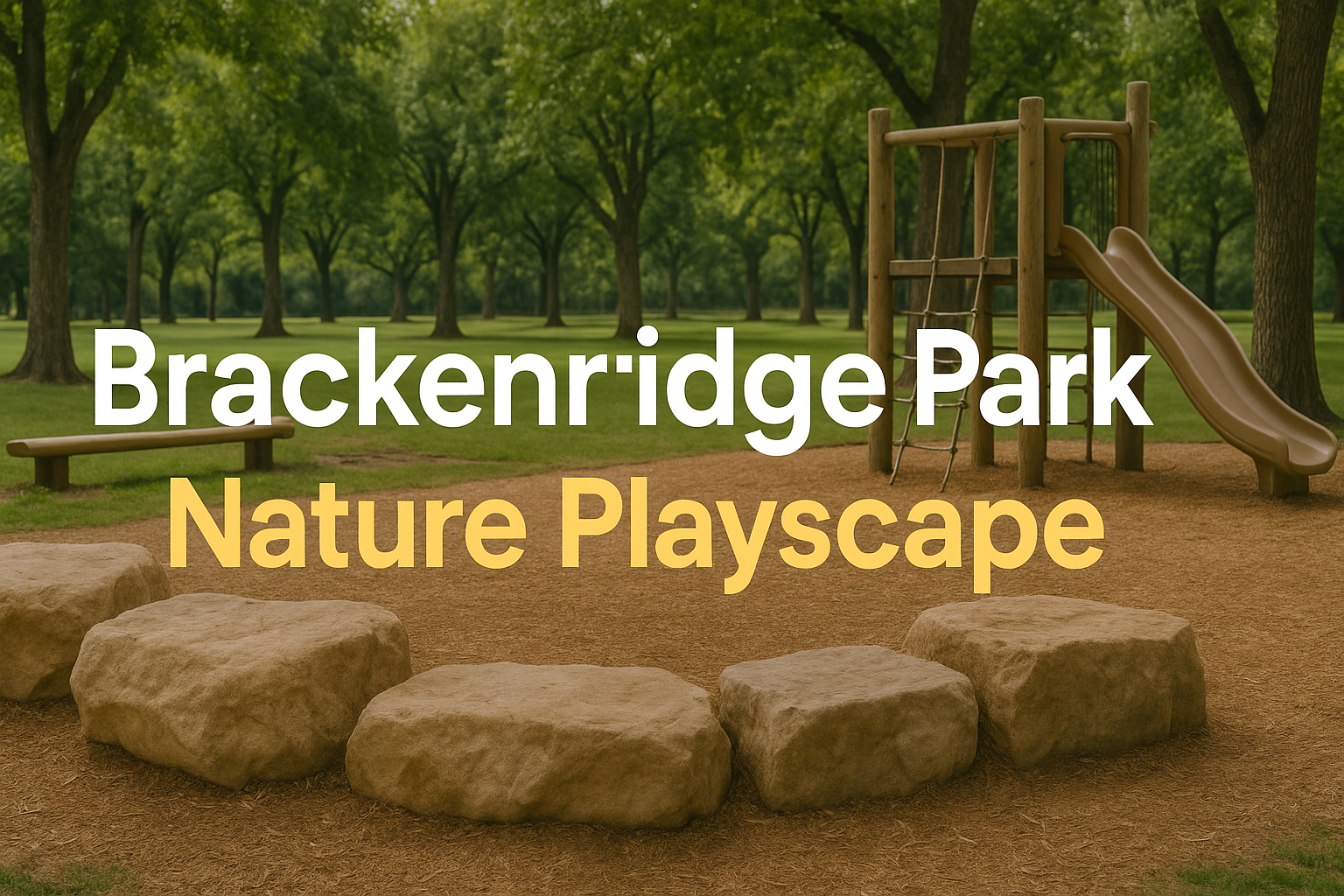
The Historic and Design Review Commission approved the project after years of planning and community input. This approval marks a turning point for an initiative that will transform a quieter section of the park into a destination for families seeking creative outdoor play experiences. The playscape will occupy land along Joske Pavilion Trail just south of the Lambert Beach Softball field, bringing new activity to an area that has remained relatively undeveloped compared to other sections of the park.
Construction is scheduled to begin April 1, 2026, with completion expected by April 1, 2028. The $9.7 million project receives funding through a combination of private donations, grants, and public partnerships including $3 million from the city's Midtown Tax Increment Reinvestment Zone. For families throughout San Antonio considering where to live and what amenities different areas offer, understanding major park improvements provides valuable context for evaluating neighborhoods and communities.
This guide explores what the new playscape will include, why nature based play matters for child development, how the project reflects San Antonio's commitment to public spaces, and what this investment means for surrounding neighborhoods. Whether currently living near Brackenridge Park or considering buying a home in San Antonio in nearby communities, this development represents a significant addition to the city's recreational infrastructure.
What Will the New Brackenridge Park Nature Playscape Include?
The design for the new playscape emphasizes natural materials and features that complement the park's historic character rather than introducing traditional metal and plastic playground equipment. This approach creates a play environment that feels integrated with the landscape, encouraging children to interact with nature while engaging in physical activity. The result aims to distinguish this space from conventional playgrounds found throughout the city.
The two acre footprint allows for multiple distinct areas serving different play styles and age groups. Rather than concentrating all features in a single location, the design distributes elements across the space to create exploration opportunities and reduce crowding during peak usage times. This layout encourages movement throughout the playscape as children discover different features and activities.
Q: What specific features will the playscape include?
A: The design incorporates diverse elements including picnic nodes for family gatherings, a sliding hill using the natural topography, boardwalks connecting different areas, water channels for interactive water play, a hillside amphitheater for performances and gatherings, and a log tangle climbing structure. Cultural and educational features include an acequia style water channel reflecting San Antonio's Spanish colonial heritage, an archaeological dig area, and an indigenous camp feature introducing children to the region's history.
The emphasis on natural materials means children will interact with logs, rocks, sand, water, hills, and vegetation rather than manufactured equipment. This approach aligns with growing research about the benefits of nature based play for child development and represents a significant investment in creating a distinctive recreational destination.
Planned playscape features include:
- Picnic nodes scattered throughout for family gatherings and rest areas
- Natural sliding hill utilizing existing topography
- Elevated boardwalks connecting different play zones
- Interactive water channels for sensory play
- Hillside amphitheater for performances and community events
- Log tangle climbing structure encouraging physical activity
- Acequia style water feature reflecting cultural heritage
- Archaeological dig area for educational play
- Indigenous camp feature teaching regional history
Why Does Nature Based Play Matter for Child Development?
The decision to create a nature based playscape rather than a traditional playground reflects evolving understanding about how outdoor play environments affect children. Research in child development has increasingly highlighted the benefits of natural play settings compared to manufactured equipment. These findings have influenced playground design nationally and now shape this significant San Antonio investment.
Nature based play encourages different types of physical movement than traditional playgrounds. Climbing over logs, navigating uneven terrain, balancing on rocks, and exploring varied surfaces engages muscles and coordination in ways that flat surfaces and standardized equipment cannot replicate. This varied movement supports motor skill development and physical confidence in young children.
Q: How does nature play differ from traditional playground equipment?
A: Traditional playgrounds typically offer predetermined activities with specific intended uses. Children climb ladders, slide down slides, and swing on swings in predictable patterns. Nature based environments present open ended opportunities where children create their own play scenarios. A log becomes a balance beam, a bridge, a hiding spot, or whatever imagination suggests. This flexibility encourages creative thinking and problem solving.
The sensory experiences in nature based settings also differ significantly. Children encounter varied textures, temperatures, sounds, and visual elements that manufactured equipment cannot provide. Sand, water, bark, leaves, and natural materials engage multiple senses simultaneously. Research suggests this sensory richness supports cognitive development and helps children regulate their responses to environmental stimuli.
Social interaction patterns also change in nature based settings. The open ended environment encourages cooperative play as children work together to navigate challenges or create scenarios. Without predetermined activities, children must communicate and collaborate to establish shared play experiences. These interactions support social skill development and emotional intelligence.
Benefits of nature based play environments include:
- Varied physical movement engaging diverse muscle groups
- Open ended activities encouraging creative problem solving
- Rich sensory experiences supporting cognitive development
- Cooperative play opportunities building social skills
- Connection with natural world fostering environmental awareness
- Reduced structured activity allowing child directed exploration
- Calming effects of natural settings supporting emotional regulation
How Does This Project Reflect San Antonio's Commitment to Public Spaces?
The $9.7 million investment in the Brackenridge Park playscape demonstrates continued commitment to enhancing public recreational facilities throughout San Antonio. This project joins other park improvements and public space investments that have strengthened the city's outdoor infrastructure in recent years. Understanding this broader context helps residents appreciate how individual projects contribute to overall community quality of life.
Public parks serve essential functions in urban communities beyond simple recreation. They provide gathering spaces that bring diverse residents together, support physical and mental health through outdoor activity, offer free amenities accessible to all income levels, and create green infrastructure that benefits environmental quality. Cities that invest in parks typically see returns through improved resident satisfaction, increased property appeal, and enhanced community identity.
Q: How is the playscape project being funded?
A: The $9.7 million budget combines multiple funding sources reflecting both public and private commitment to the project. The Midtown Tax Increment Reinvestment Zone is contributing $3 million, representing significant public investment. Private donations and grants provide additional funding, demonstrating community support for the initiative. The Brackenridge Park Conservancy has coordinated fundraising and advocacy efforts throughout the planning process.
San Antonio's park system encompasses numerous facilities serving different parts of the metropolitan area. However, Brackenridge Park holds particular significance due to its history, central location, and connection to other attractions including the San Antonio Zoo, Japanese Tea Garden, and nearby museums. Improvements here benefit not just immediate neighbors but residents from throughout the city who use this landmark park.
The project timeline spanning from April 2026 to April 2028 reflects the complexity of implementing nature based design in a historic park setting. Construction must balance creating new features with protecting existing trees and preserving the park's character. The Brackenridge Park Conservancy reports that approximately 20 existing trees will be relocated rather than removed, and 94 new native Texas trees will be planted as part of the project.
What Neighborhoods Surround Brackenridge Park?
Brackenridge Park's central location means it serves residents from numerous San Antonio neighborhoods and communities. Understanding the geographic context helps explain why improvements here matter for buyers evaluating different parts of the city. The park functions as a shared resource connecting diverse areas through common recreational space.
Neighborhoods immediately adjacent to the park include some of San Antonio's most established communities. Alamo Heights borders the park to the north, offering historic homes and a distinct municipal identity with its own school district. Mahncke Park sits along the eastern edge, featuring early twentieth century bungalows and strong neighborhood identity. Monte Vista to the west showcases historic architecture and mature tree lined streets.
The broader area encompassing Brackenridge Park includes the Pearl District with its restaurants, retail, and residential development along the river. Tobin Hill and Beacon Hill contribute additional residential density to the surrounding area. The Broadway corridor connects these neighborhoods and has seen significant investment and development in recent years. These communities collectively benefit from proximity to the park and its amenities.
Q: How does park proximity affect neighborhood appeal for homebuyers?
A: Access to quality parks consistently ranks among amenities that homebuyers consider when evaluating neighborhoods. Families with children particularly value nearby recreational options, while adults of all ages appreciate walking trails, green space, and outdoor gathering areas. Neighborhoods surrounding well maintained, actively programmed parks often attract buyer interest based partly on this proximity.
For those exploring homes for sale in San Antonio, the areas surrounding Brackenridge Park offer diverse options ranging from historic homes in established neighborhoods to newer developments in adjacent areas. Understanding what each neighborhood offers alongside park access helps buyers identify communities matching their preferences and priorities.
Communities with convenient access to Brackenridge Park include:
- Alamo Heights with historic homes and independent school district
- Mahncke Park featuring early twentieth century bungalows
- Monte Vista showcasing historic architecture and tree lined streets
- Pearl District with mixed use development and river access
- Tobin Hill offering urban living near downtown
- Beacon Hill providing affordable options near central amenities
- Dignowity Hill on the east side with ongoing revitalization
- Alta Vista featuring diverse housing stock and community engagement
How Does the Playscape Design Reflect San Antonio's Cultural Heritage?
The designers incorporated elements reflecting San Antonio's unique cultural and historical heritage into the playscape concept. This approach creates educational opportunities within the play environment and connects children to the region's past in hands on ways. The cultural features distinguish this playscape from generic designs and root it specifically in San Antonio's identity.
The acequia style water channel represents one of the most significant cultural references. Acequias were irrigation ditches that Spanish colonists developed throughout South Texas, creating water distribution systems that enabled agricultural development in the arid region. San Antonio's acequia system dates to the early eighteenth century and remains visible in parts of the city today. Including this reference introduces children to water management history while providing interactive water play.
Q: What educational elements does the playscape include?
A: Beyond the acequia reference, the design includes an archaeological dig area where children can engage in simulated excavation activities. This feature introduces concepts about how people learn about the past through studying artifacts and physical remains. The indigenous camp feature represents Native American heritage in the region, acknowledging the Payaya and other peoples who inhabited this area before European contact.
These cultural elements create opportunities for parents and educators to extend play experiences into learning moments. Children naturally ask questions about unfamiliar features, opening conversations about history, culture, and the people who shaped San Antonio over centuries. The playscape thus serves educational functions alongside recreational purposes.
The emphasis on native Texas trees throughout the planting plan also reflects environmental heritage. Native species adapted to local climate conditions require less water and maintenance while supporting local wildlife. The 94 new trees being planted will strengthen the park's canopy while demonstrating sustainable landscaping practices appropriate for the South Texas region.
What Timeline Should Families Expect for the Project?
Understanding the construction timeline helps families plan for both temporary disruptions and eventual availability of the new amenity. The project spans approximately two years from groundbreaking to completion, reflecting the complexity of nature based construction in a historic park setting. This timeline allows for careful implementation that protects existing features while creating new ones.
Construction is scheduled to begin April 1, 2026. During the construction period, portions of the park near the project site may experience limited access or temporary closures. Families who regularly use the areas around Joske Pavilion Trail and Lambert Beach Softball field should anticipate some disruption during the construction phase. However, Brackenridge Park's large size means most park amenities will remain accessible throughout the project.
Q: When will the playscape be open to the public?
A: The estimated completion date is April 1, 2028. Following construction completion, there may be additional time needed for final inspections, finishing touches, and formal opening ceremonies. Families should monitor announcements from the Brackenridge Park Conservancy and City of San Antonio Parks Department for specific opening information as the completion date approaches.
The two year construction window reflects several factors. Nature based construction requires careful grading, landform creation, and integration of natural materials that differs from installing manufactured equipment. Tree relocation and new planting need appropriate timing relative to growing seasons. Water feature installation involves infrastructure that requires thorough testing before public use. These factors combine to create a longer timeline than traditional playground installation.
Key project timeline milestones:
- Historic and Design Review Commission approval completed
- Construction scheduled to begin April 1, 2026
- Tree relocation of approximately 20 existing trees during early construction
- Native tree planting adding 94 new trees throughout project
- Reclaimed water irrigation system installation
- Estimated completion April 1, 2028
- Public opening following final inspections and preparation
How Do Park Investments Relate to Community Quality of Life?
Public parks contribute to community quality of life in ways that extend beyond simple recreation. Understanding these broader impacts helps residents appreciate why park investments matter and how they relate to overall neighborhood appeal. For homebuyers evaluating different areas, park quality and investment patterns provide useful signals about community priorities and trajectory.
Health benefits represent one of the most documented impacts of park access. Communities with quality parks see higher rates of physical activity among residents. Walking trails, sports facilities, playgrounds, and open spaces all encourage movement that supports cardiovascular health, weight management, and overall fitness. Mental health benefits also accrue through stress reduction, nature exposure, and social connection that parks facilitate.
Q: How do parks affect community social connections?
A: Parks function as gathering spaces where neighbors encounter each other and form relationships. Regular park users often develop familiarity with others who visit at similar times. Community events held in parks bring diverse residents together around shared experiences. Children's playgrounds particularly facilitate parent connections as adults supervise their children's play. These social benefits strengthen community bonds and create the informal networks that make neighborhoods feel connected.
Environmental benefits add another dimension to park value. Trees in parks absorb carbon dioxide, produce oxygen, and filter air pollutants. Green spaces reduce urban heat island effects that raise temperatures in developed areas. Parks with natural drainage features help manage stormwater runoff. These environmental services benefit entire communities beyond just park users.
Economic research has explored relationships between parks and property values, though results vary by context. Generally, well maintained parks in desirable locations correlate with positive neighborhood perceptions. Communities known for quality parks often attract buyers who value these amenities. However, many factors influence real estate markets, and parks represent just one element among many that shape neighborhood appeal.
What Other Attractions Does Brackenridge Park Offer?
The new playscape joins an impressive collection of existing attractions that make Brackenridge Park one of San Antonio's premier recreational destinations. Understanding the full context of what the park offers helps families appreciate how the playscape integrates with other amenities. The concentration of attractions makes this area particularly valuable for residents who enjoy outdoor activities and cultural experiences.
The San Antonio Zoo occupies a significant portion of Brackenridge Park and attracts hundreds of thousands of visitors annually. The zoo features diverse animal exhibits, educational programs, and special events throughout the year. Families visiting the zoo can easily combine their trip with time at other park features, creating full day outings that take advantage of multiple amenities in close proximity.
Q: What other features make Brackenridge Park special?
A: The Japanese Tea Garden offers a distinctive experience featuring landscaped gardens, koi ponds, and a historic pavilion. Originally developed as a rock quarry, the site was transformed into gardens in the early twentieth century and remains one of San Antonio's most photographed locations. Admission is free, making it accessible to all visitors regardless of budget.
The San Antonio River runs through Brackenridge Park, providing scenic beauty and recreational opportunities. Walking and jogging trails follow the river, connecting the park to the broader River Walk system that extends through downtown. The Lambert Beach area offers softball fields and open spaces for informal sports and gatherings. The Sunken Garden Theater hosts performances and events in an outdoor amphitheater setting.
Existing Brackenridge Park attractions include:
- San Antonio Zoo featuring diverse animal exhibits and programs
- Japanese Tea Garden with free admission to landscaped gardens
- San Antonio River corridor with walking and jogging trails
- Sunken Garden Theater hosting performances and events
- Lambert Beach Softball fields for organized and informal play
- Picnic areas scattered throughout the park
- Joske Pavilion for events and gatherings
- Brackenridge Golf Course adjacent to park grounds
- Historic bridges and structures throughout the grounds
How Should Buyers Evaluate Neighborhoods Based on Park Access?
Those exploring homeownership in San Antonio benefit from considering park access alongside other neighborhood characteristics. While parks should not drive purchasing decisions alone, they contribute to overall quality of life and daily living experience. Understanding how to evaluate park amenities helps buyers make informed decisions about neighborhood selection.
Start by identifying the parks closest to potential neighborhoods and assessing what they offer. Not all parks provide the same features or quality of experience. Large regional parks like Brackenridge offer extensive amenities but may require driving to access. Neighborhood parks within walking distance provide convenience for daily use but may offer more limited features. The ideal combination depends on household preferences and how frequently family members use different park types.
Q: What should buyers look for when evaluating neighborhood parks?
A: Consider both current conditions and investment trajectory. A park that appears somewhat neglected but sits in an area receiving public investment may improve significantly over time. Conversely, a well maintained park in an area with declining public investment may face future challenges. Understanding city priorities and funding patterns helps assess likely future conditions alongside present offerings.
For families with children, playground quality and age appropriateness matter significantly. Some playgrounds feature equipment suited for toddlers while others serve older children better. Nature based play environments like the new Brackenridge playscape offer different experiences than traditional playgrounds. Visiting parks during potential move times helps assess actual usage patterns and whether facilities match family needs.
Trail connectivity extends park value beyond the park boundaries themselves. Parks connected to trail systems provide opportunities for longer walks, runs, and bike rides. San Antonio's greenway network continues expanding, linking parks across different parts of the city. Properties near trail connected parks offer access to extended recreational networks that enhance value beyond the individual park amenities.
Factors to evaluate regarding neighborhood park access:
- Distance and accessibility from potential homes
- Types of amenities matching household preferences
- Maintenance quality and apparent investment levels
- Trail connections extending recreational options
- Programming and events hosted at the park
- Safety and lighting for different usage times
- Parking availability for driving access
- Age appropriateness of playground equipment
What Does This Investment Signal About San Antonio's Future?
The Brackenridge Park playscape investment reflects broader patterns of public space development throughout San Antonio. Understanding these patterns helps residents and potential buyers appreciate the city's trajectory and priorities. Communities that consistently invest in parks, trails, and recreational facilities typically demonstrate commitment to quality of life that extends into other public services and infrastructure.
San Antonio has undertaken numerous park improvements and trail expansions in recent years. The greenway network continues growing, connecting different parts of the city through multi use paths. Individual parks throughout the metropolitan area have received upgrades ranging from new playgrounds to improved sports facilities to enhanced landscaping. These cumulative investments strengthen the overall recreational infrastructure available to residents.
Q: How does San Antonio's park investment compare to other Texas cities?
A: San Antonio benefits from significant parkland including natural areas, developed parks, and the unique River Walk system that functions partly as linear park space. The city has pursued both maintenance of existing facilities and strategic new development to serve growing populations. While comparisons vary by specific metrics, San Antonio demonstrates ongoing commitment to public recreational space that residents and visitors enjoy.
The specific design choices at Brackenridge Park also signal directions in recreational development. The emphasis on nature based play, native plantings, reclaimed water irrigation, and cultural heritage reflects contemporary understanding of best practices in park design. These choices suggest San Antonio is pursuing quality and sustainability rather than simply expanding quantity of facilities.
For those considering San Antonio neighborhoods and communities, understanding park investment patterns provides useful context. Areas near parks receiving significant investment often benefit from improved amenities and the positive community perception that accompanies such improvements. The Brackenridge Park playscape represents a particularly notable investment given the park's historic significance and central location.
Expert Insight from Tami Price
"Brackenridge Park has always been one of the most loved spaces in San Antonio, and this new nature based playscape is a big win for families," says Tami Price, REALTOR® and Broker Associate with Real Broker, LLC. "It blends the beauty of the park with a creative, hands on play experience that you do not find at typical playgrounds. The project also shows the city's continued commitment to investing in parks and public areas that keep our communities strong."
Price brings nearly two decades of experience and approximately 1,000 closed transactions to her work with buyers and sellers throughout San Antonio, Schertz, Cibolo, Helotes, Converse, and Boerne. Her understanding of how community amenities affect neighborhood appeal helps buyers evaluate options throughout the metropolitan area.
"When I work with buyers, especially families with children, we always discuss nearby parks and recreational options," Price explains. "Access to quality outdoor spaces matters for daily life, and improvements like this playscape add real value to surrounding neighborhoods. The areas near Brackenridge Park already offer wonderful housing options, and this investment makes them even more appealing."
Her recognition with more than 600 five star reviews and recommendations across platforms including Google, Zillow, and Realtor.com reflects consistent client satisfaction. Designations including the Accredited Buyer's Representative (ABR®) demonstrate specialized training in helping buyers navigate purchase decisions, including evaluating neighborhoods based on amenities and lifestyle factors.
"San Antonio continues growing as a place where families want to live, and projects like this explain why," Price notes. "The combination of affordability, job opportunities, and quality of life amenities creates an appealing package. Parks are a big part of that equation, and seeing investment in a landmark space like Brackenridge Park is exciting for the whole community."
Three Key Takeaways
1. A Two Acre Nature Based Playscape Will Transform Part of Historic Brackenridge Park into a Family Destination
The project received approval from the Historic and Design Review Commission after years of planning. Construction begins April 1, 2026, with completion expected April 1, 2028. The $9.7 million investment combines public funding including $3 million from the Midtown TIRZ with private donations and grants. The playscape will feature natural materials, cultural heritage elements reflecting San Antonio history, and educational features that distinguish it from traditional playgrounds found elsewhere in the city.
2. The Design Emphasizes Nature Based Play, Sustainability, and Cultural Heritage That Connect Children to San Antonio's Identity
Rather than traditional playground equipment, the playscape incorporates hills, logs, water features, and natural materials encouraging creative exploration. Cultural elements including an acequia style water channel, archaeological dig area, and indigenous camp feature introduce children to regional history through hands on experiences. The project includes relocating 20 existing trees and planting 94 new native Texas trees supported by a reclaimed water irrigation system, demonstrating environmental sustainability.
3. The Investment Reflects San Antonio's Ongoing Commitment to Public Spaces and Benefits Surrounding Neighborhoods
Brackenridge Park serves residents from throughout the city, with particularly convenient access for communities including Alamo Heights, Mahncke Park, Monte Vista, the Pearl area, and other central neighborhoods. Quality park amenities contribute to neighborhood appeal and community quality of life. For those considering buying a home in San Antonio, understanding park investment patterns helps evaluate different areas and identify communities receiving ongoing public improvements.
Frequently Asked Questions
Q: When will construction on the Brackenridge Park playscape begin?
A: Construction is scheduled to begin April 1, 2026. The project timeline reflects the complexity of nature based construction in a historic park setting, including careful grading, tree relocation, water feature installation, and integration of natural materials that differs from typical playground construction approaches.
Q: When will the playscape be open to families?
A: The estimated completion date is April 1, 2028. Following construction, there may be additional time needed for final inspections and formal opening preparations. Families should monitor announcements from the Brackenridge Park Conservancy and City of San Antonio Parks Department for specific opening information as the completion date approaches.
Q: How large is the new playscape?
A: The playscape will cover approximately two acres within Brackenridge Park. This significant footprint allows for multiple distinct play areas serving different activities and age groups, with features distributed throughout the space rather than concentrated in a single location.
Q: What features will the playscape include?
A: Planned features include picnic nodes, a natural sliding hill, boardwalks, interactive water channels, a hillside amphitheater, a log tangle climbing structure, an acequia style water feature, an archaeological dig area, and an indigenous camp feature. The design emphasizes natural materials and cultural heritage elements that connect to San Antonio's history.
Q: Will any trees be removed for the project?
A: The Brackenridge Park Conservancy reports that no trees will be cut down for the project. Approximately 20 existing trees will be relocated within the park, and 94 new native Texas trees will be planted as part of the project. A new reclaimed water irrigation system will support the expanded tree canopy.
Q: How much does the project cost and how is it funded?
A: The total project budget is $9.7 million. Funding comes from multiple sources including $3 million from the Midtown Tax Increment Reinvestment Zone, private donations, and grants. The combination of public and private funding demonstrates broad support for the initiative from both government and community sources.
Q: Where exactly will the playscape be located within the park?
A: The playscape will sit along Joske Pavilion Trail just south of the Lambert Beach Softball field. This location occupies what has been a quieter section of the park, transforming it into an active family destination while preserving the character of other park areas.
Q: What makes this playscape different from other playgrounds in San Antonio?
A: The nature based design distinguishes this playscape from traditional playgrounds featuring manufactured metal and plastic equipment. Children will interact with natural materials including logs, rocks, water, sand, and varied terrain. The cultural heritage features including the acequia channel, dig area, and indigenous camp add educational dimensions not found in typical playgrounds.
The Bottom Line
The Brackenridge Park nature based playscape represents a significant investment in one of San Antonio's most beloved public spaces. The $9.7 million project will create a distinctive two acre destination featuring natural materials, cultural heritage elements, and creative play opportunities that distinguish it from conventional playgrounds found throughout the city. When completed in 2028, the playscape will serve families from across San Antonio who already treasure Brackenridge Park for its beauty, history, and recreational offerings.
The project demonstrates San Antonio's continued commitment to public spaces that enhance community quality of life. Combining public funding with private donations and grants, the initiative reflects broad support for improving parks that serve diverse residents. The design choices emphasizing nature based play, native plantings, and cultural education align with contemporary understanding of best practices in recreational development.
For families considering where to live in San Antonio, understanding investments like this helps evaluate different neighborhoods and communities. Areas with convenient access to quality parks and ongoing public improvements offer lifestyle benefits that enhance daily living. The neighborhoods surrounding Brackenridge Park already provide attractive housing options, and this significant enhancement adds another dimension to their appeal for buyers seeking connection to outdoor spaces and community amenities.

Contact Tami Price, REALTOR®
Whether exploring neighborhoods near Brackenridge Park or evaluating communities throughout greater San Antonio, working with an experienced REALTOR® provides guidance through the home buying process. Tami Price brings local market knowledge and professional expertise to help buyers find homes matching their lifestyle priorities, including access to parks, recreational amenities, and community features that matter for daily living.
From first time buyers to families seeking neighborhoods with quality outdoor spaces, personalized service makes the difference in successful transactions.
Tami Price, REALTOR®, Broker Associate
📞 210-620-6681
Tami Price's Specialties
- Comprehensive Buyer and Seller Representation
- Military Relocations and PCS Moves
- VA Loan Guidance and Assumptions
- New Construction Navigation
- Strategic Pricing and Market Analysis
- Professional Property Marketing
- First Time Buyer Education
- Move Up and Downsizing Transitions
- Residential Real Estate Throughout San Antonio, Schertz, Cibolo, Helotes, Converse, and Boerne
Disclaimer
This blog post is provided for informational purposes only and should not be construed as investment advice or guarantees regarding property values, project timelines, or development outcomes. Information about the Brackenridge Park playscape reflects publicly available details as of the publication date and is subject to change. Construction timelines, features, and budgets may be modified by project stakeholders. Real estate decisions should be based on individual circumstances, professional guidance, and current market conditions. Tami Price, REALTOR®, and Real Broker, LLC make no warranties regarding accuracy, completeness, or applicability of information to specific circumstances.
Categories
- All Blogs (924)
- Home Buying (11)
- Neighborhood Guides (44)
- 10 Incentive and Rate Buydown Questions (1)
- 10 Military Neighborhood (1)
- 10 Mistakes Sellers Make (1)
- 10 Strategies to Coordinate a Same Day Close (1)
- 12 Lifestyle Questions to Move In (1)
- 12 PCS What Ifs (1)
- 12 Photos and Marketing Assets (1)
- 13 PCS Hunting Trip Tips (1)
- 15 Red Flags Touring Home in San Antonio (1)
- 2026 Market (1)
- 30 days after closing your home (1)
- 7 Offer Terms Beyond Price (1)
- 78015 Ranked One (1)
- 8 Bridge (1)
- 8 Myths Buyers Believe about Down Payments (1)
- 8 Reasons VA Buyers Love New Construction (1)
- 9 Mistakes Move Up Buyers Make (1)
- 9 Questions to Decide If You Keep Your PCS Home (1)
- 9 Timeline Questions Every Buyer Need to Ask (1)
- 9 Warranty Questions to Ask (1)
- 9 Ways to Attract VA & Military Buyers (1)
- About Tami Price (6)
- Affordable Communities (2)
- Affordable Housing & Community Development (5)
- Agent Qualifications and Credentials (1)
- Agent Qualifications and Experience (1)
- Agent Recognition (3)
- Agent Selection (1)
- AI and Real Estate Tools (1)
- Alamo Heights (5)
- Alamo Heights ISD (1)
- Alamo Heights Real Estate (1)
- Alamo Ranch (2)
- Amenities in Helotes, Texas (3)
- Apartment Market (1)
- Appraisals (1)
- Arts and Culture (1)
- Awards and Recognition (7)
- Balcones Creek (1)
- Best Neighborhoods to Live in Cibolo, TX (3)
- Best Neighborhoods to Live in San Antonio (16)
- Best Places to Live in Leon Valley: A Neighborhood Guide (1)
- Best Places to Live in Northeast Inner Loop: A Neighborhood Guide (1)
- Bexar County Property Tax (1)
- Bexar County Real Estate (3)
- Boerne Home Sellers (1)
- Boerne Neighborhoods (2)
- Boerne Texas (9)
- Broadway Corridor Development (1)
- Build-to-Rent Communities (1)
- Builder Contracts & Warranties (3)
- Builder Incentives (1)
- Builder Warranties (1)
- Buyer (97)
- Buyer Activity San Antonio (1)
- Buyer and Seller Guidance (4)
- Buyer Due Diligence (1)
- Buyer Education (46)
- Buyer Guide (9)
- Buyer Guides (7)
- Buyer Protection Strategies (1)
- Buyer Representation (1)
- Buyer Representation Expertise (1)
- Buyer Resources (87)
- Buyer Strategy (2)
- Buyers (13)
- Buyers Agent (1)
- Buying a Foreclosed Home in San Antonio (10)
- Buying a Home (2)
- Buying a Home in San Antonio (6)
- Buying Timeline (1)
- Buying vs Renting (1)
- Castroville, TX (8)
- Central San Antonio (1)
- Central San Antonio Development (2)
- Central Texas Growth (1)
- Choosing a Real Estate Agent (1)
- Choosing an Agent (1)
- Cibolo Communities (1)
- Cibolo Home Sellers (1)
- Cibolo TX (15)
- Client Reviews and Testimonials (1)
- Client Satisfaction (1)
- Client Stories (1)
- Client Testimonial (4)
- Clients review (4)
- Cobblestone (1)
- Comal County (1)
- Commercial & Retail Development (27)
- Commercial Development (13)
- Commercial Development Impact on Home Values (1)
- Commercial Real Estate (1)
- Community (1)
- Community Amenities (2)
- Community Development (23)
- Community Development and Real Estate (3)
- Community Events & Development (1)
- Community Infrastructure (1)
- Community Investment Impact (2)
- Community Landmarks (1)
- Community News (4)
- Community Planning (2)
- Community Revitalization (1)
- Community Spotlights (1)
- Commuter Neighborhoods (1)
- Cons of Living in Helotes, TX (4)
- Conservation Communities (1)
- Contingency Questions (1)
- Converse Home Sellers (1)
- Converse Homes For Sale (3)
- Converse Real Estate (1)
- Converse TX (10)
- Converse TX Real Estate (1)
- Cost of Living Guides (1)
- Cost of Living in San Antonio TX (25)
- CPS Energy Programs (1)
- Custom Homes (5)
- Davis Ranch (1)
- Days on Market (1)
- Deco District San Antonio (1)
- Denver Heights (1)
- Down Payment Assistance (1)
- Downtown Boerne (1)
- Downtown Development (3)
- Downtown Living (1)
- Downtown Revitalization (14)
- Downtown San Antonio (2)
- Downtown San Antonio Real Estate (5)
- Downtown San Antonio Revitalization (1)
- East Side Living (1)
- East Side Neighborhoods (1)
- East Side San Antonio (4)
- Economic Development (3)
- Economic Growth & Industry (1)
- Education, Texas Hill Country (1)
- Emerald Pointe (1)
- Employment (1)
- Employment Corridors (1)
- Encino Forest (1)
- Entertainment Economy (1)
- Equity and Pricing Strategy (2)
- Equity Q&A (1)
- Established Communities (3)
- Events in San Antonio (207)
- Expert Advice from Tami Price, Realtor® (10)
- Fair Oak Ranch (1)
- Family Activities (2)
- Family Homes (3)
- Family Living in San Antonio (1)
- FAQ (1)
- Far Northwest San Antonio (1)
- Far West San Antonio (1)
- Far Westside Real Estate (4)
- Fastest Growing Zip Codes in America (1)
- Featured Homes for Sale (2)
- Featured Properties (1)
- Financial Planning (10)
- Financing Strategy (1)
- First Time Buyers (22)
- First Time Sellers (1)
- First-Time Buyers (6)
- First-Time Homebuyer Resources (4)
- First-Time Homebuyer Tips (2)
- First-Time Homebuyers (6)
- First-Time Investors (1)
- Fort Sam Houston (3)
- Fort Sam Houston Real Estate (1)
- Fort Sam Houston, TX (2)
- Fox Grove (1)
- FSBO vs Agent Representation (1)
- Gated Communities (5)
- Golf Communities (1)
- Great Northwest (1)
- Greater San Antonio Housing Trends (2)
- Greater San Antonio Real Estate (5)
- Green Home Upgrades (1)
- Growth and Development (11)
- Healthcare (1)
- HELOC (1)
- Helotes Home Sellers (1)
- Highway 151 Corridor Growth (1)
- Hill Country Business (1)
- Hill Country Communities (2)
- Hill Country Development (3)
- Hill Country Homes for Sale (1)
- Hill Country Living (3)
- Hill Country Market Updates (1)
- Hill Country Real Estate (4)
- Historic Districts (5)
- Historic Neighborhoods (4)
- Historic Preservation (2)
- Holiday Attractions (1)
- Holiday Guide (1)
- Home Buying (7)
- Home Buying Education (3)
- Home Buying Guide (7)
- Home Buying Process (8)
- Home Buying Strategy (2)
- Home Buying Tips (6)
- Home Energy Efficiency San Antonio (4)
- Home Financing (2)
- Home Improvement ROI (1)
- Home Inspections (1)
- Home Preparation (2)
- Home Pricing Strategy (13)
- Home Renovation for Resale (1)
- Home Selling (9)
- Home Selling Guide (10)
- Home Selling Strategies (3)
- Home Selling Strategy (3)
- Home Selling Tips (22)
- Home Staging and Updates (2)
- Home Values (2)
- Homebuyer Education (15)
- Homebuyer Resources (1)
- Homebuying Guide (1)
- Homebuying Tips (3)
- Homeowner (35)
- Homeowner Tax Benefits (1)
- Homeownership Costs (1)
- Homes for Sale (2)
- Homes for sale near Lackland AFB (4)
- Homes Near Military Bases (1)
- Homestead amenities (1)
- Horizon Pointe (1)
- House Hunting Guide (1)
- Housing (1)
- Housing Community Development (1)
- Housing Development (2)
- Housing Market Updates (3)
- How to Buy a House in San Antonio TX (48)
- Huebner Oaks shopping center (1)
- Hunters Ranch (1)
- Hybrid (1)
- I-10 Corridor (1)
- I-35 Corridor (1)
- In Person (1)
- Incorporated Cities (6)
- Industrial Investment Impact (1)
- Industry News (2)
- Industry Recognition (1)
- Infrastructure & Growth Projects (26)
- Infrastructure and Sustainability (1)
- Infrastructure Development (1)
- Infrastructure Investment (1)
- Infrastructure Updates (2)
- Interest Rates (2)
- Invest in San Antonio (46)
- Investment Opportunities (2)
- Investment Property San Antonio (4)
- JBSA (9)
- JBSA Housing (11)
- JBSA Real Estate (4)
- JBSA Resources (7)
- Joint Base San Antonio (5)
- Joint Base San Antonio Housing (1)
- Judson ISD (2)
- Kendall County (1)
- La Cantera Retail Development (1)
- Lackland AFB (7)
- Lackland AFB Housing (1)
- Land Conservation (1)
- Land Use Planning (1)
- Lera MLS (14)
- Lifestyle & Community Growth (18)
- Lifestyle & Local Growth (12)
- Lifestyle Amenities (1)
- Lifestyle Communities (1)
- Listing Preparation (1)
- Listing Strategy (1)
- Live Oak (1)
- Living in San Antonio, TX (52)
- Living Near Randolph AFB (7)
- Loan Programs (1)
- Local Attractions (3)
- Local Business (1)
- Local Business & Development (9)
- Local Business & Economy (3)
- Local Business Spotlight (20)
- Local Business Support (5)
- Local Development (4)
- Local Development News (9)
- Local Market Insights (5)
- Local News (2)
- Local News Around San Antonio (2)
- Local Policy Changes (1)
- Local Real Estate News (1)
- Loop 1604 Corridor Growth (2)
- Loop 410 Corridor Development (1)
- Luxury Communities (3)
- Luxury Homes (2)
- Luxury Real Estate (1)
- Luxury Retail San Antonio (1)
- MacArthur Park (1)
- Major Developments (2)
- Making Offers on Homes (1)
- Market Analysis (26)
- Market Conditions (47)
- Market Expertise (1)
- Market Insights (5)
- Market Strategy (1)
- Market Timing (2)
- Market Trends (10)
- Market Trends & Insights (2)
- Market Update (15)
- Market Update 2026 (1)
- Market Updates (21)
- Master Planned Communities (12)
- Medical Center Area Real Estate (1)
- Medina Valley ISD (2)
- Midtown Living (1)
- Military & Economic Impact (3)
- Military Buyers (2)
- Military Communities (1)
- Military Families (1)
- Military Family Resources (1)
- Military Heritage (1)
- Military Homebuying (3)
- Military Homeownership (1)
- Military Housing (3)
- Military Housing Market in Texas (16)
- Military Life in San Antonio (2)
- Military Neighborhoods (1)
- Military PCS Relocations (3)
- Military Real Estate (2)
- Military Relocation (94)
- Military Relocation & VA Loans (10)
- Military Relocation San Antonio (4)
- Military Relocation Services (3)
- Military Relocation to San Antonio (50)
- Military Relocations (19)
- Military Relocations & VA Home Loans (5)
- Mixed-Income Housing (1)
- MLS Accuracy & Data Transparency (1)
- Mortgage Programs (1)
- Mothers Day in San Antonio (1)
- Move to Boerne TX (18)
- Move to Castroville TX (11)
- Move to Converse TX (16)
- Move to New Braunfels (1)
- Move to North San Antonio (19)
- Move to San Antonio TX (73)
- Move to Selma TX (19)
- Move to Shertz TX (13)
- Move to Texas (53)
- Move Up Buyer Resources (1)
- Move Up Buyers (20)
- Move-In Ready Homes (3)
- Move-In Ready Homes San Antonio (2)
- Move-Up Buyers (2)
- Moving to Helotes, TX (17)
- Moving to San Antonio (69)
- MUD Taxes (1)
- Natalia Homes For Sale (1)
- Near East Side Living (1)
- Negotiation Strategy (2)
- Neighborhood Amenities (1)
- Neighborhood Development (1)
- Neighborhood Guides (7)
- Neighborhood Investment (1)
- Neighborhood News (2)
- Neighborhood Revitalization (2)
- Neighborhood Spotlights (12)
- Neighborhood Updates (1)
- Neighborhoods near Randolph AFB (12)
- New Braunfels (6)
- New Braunfels Homes For Sale (1)
- New Braunfels News (3)
- New Braunfels Real Estate (3)
- New Businesses (2)
- New Construction (58)
- New Construction Communities (1)
- New Construction Homes (13)
- New Construction Homes San Antonio (5)
- New Construction vs Resale (1)
- New Construction Without Customization (1)
- New Construction Without the Wait (1)
- New Contruction Cost (1)
- New Development (3)
- New Listing (19)
- New Restaurants (3)
- News (211)
- News & updates (213)
- No HOA Homes (1)
- North Central San Antonio (5)
- North East ISD (4)
- North San Antonio (9)
- North San Antonio Real Estate (3)
- North Side Neighborhoods (1)
- North Side San Antonio Development (2)
- Northeast Inner Loop (1)
- Northeast Inner Loop Neighborhoods (1)
- Northeast San Antonio (3)
- Northside ISD (5)
- Northwest San Antonio (9)
- Northwest San Antonio Development (1)
- Northwest San Antonio Growth (1)
- Northwest San Antonio Real Estate (3)
- Northwood (1)
- Olympia Hills (1)
- One-Story Homes (1)
- Outdoor Living (1)
- Parks and Recreation (2)
- PCS and JBSA (2)
- PCS Guide (3)
- PCS Moves (12)
- PCS Moves to Joint Base San Antonio (4)
- PCS Planning (15)
- PCS Randolph AFB (17)
- PCS Relocation (1)
- PCS Resources (6)
- PCS San Antonio (46)
- PCS to San Antonio (42)
- Pearl District Area Real Estate (2)
- PID Assessments (1)
- Pinon Creek (1)
- Pipe Creek (1)
- Places to Eat Near Randolph AFB (1)
- Pool Homes (1)
- Pre Approval (1)
- Pre-Listing Preparation (2)
- Pre-Listing Process (1)
- Prescott Oaks (1)
- Pricing and Marketing Strategy (3)
- Professional Awards and Achievements (2)
- Professional Real Estate Representation (1)
- Property Tax Exemptions Texas (1)
- Property Value Enhancement (1)
- pros and cons living in Converse TX (3)
- Pros and Cons Living in Selma TX (6)
- Pros and Cons of Living in Castroville, TX (4)
- Pros and Cons of Living in San Antonio (33)
- PT500 List (1)
- Purchase Negotiation (1)
- Quality of Life (1)
- Quick Close Real Estate (1)
- Randolph AFB Neighborhoods (2)
- Real Estate (1)
- Real Estate Advice (1)
- Real Estate Agent Recognition (6)
- Real Estate Agent Selection (2)
- Real Estate Agent Value (1)
- Real Estate Consultation (1)
- Real Estate Finance (1)
- Real Estate Financing (1)
- Real Estate Impact (1)
- Real Estate Investment San Antonio (2)
- Real Estate Legal Issues (1)
- Real Estate Market Insights (2)
- Real Estate Market Trends (5)
- Real Estate Professional Designations (1)
- Real Estate Strategy (1)
- Real Estate Technology & Trends (2)
- Real Estate Tips (1)
- Real Estate Tips and Guides (2)
- Real Estate Trends (4)
- RealTrends Verified (1)
- Regional Development (1)
- Regional Real Estate (2)
- Relocating to San Antonio (2)
- Relocation (4)
- Relocation Resources (2)
- Relocation to San Antonio (55)
- Remote Homebuying (1)
- Rental Housing (1)
- Rental Property (1)
- Rental Strategy (1)
- Resale Properties (1)
- Retail Development (2)
- Retire in Boerne TX (11)
- Retire in San Antonio (37)
- Reviews and Recognition (1)
- Rockwall Ranch (1)
- Rural Living (2)
- SABOR (27)
- San Antonio Area Listings (1)
- San Antonio Business Growth (1)
- San Antonio Buyer Resources (2)
- San Antonio Communities (3)
- San Antonio Community Events (1)
- San Antonio Community News (1)
- San Antonio Data Center Development (1)
- San Antonio Development (5)
- San Antonio Development & East Side Real Estate (1)
- San Antonio Dining and Lifestyle (3)
- San Antonio East Side Development (1)
- San Antonio Employment Growth (1)
- San Antonio Food & Community Development (2)
- San Antonio Growth (8)
- San Antonio Home Buying and Selling (2)
- San Antonio Home Buying Guide (5)
- San Antonio Home Improvement (2)
- San antonio home prices (3)
- San Antonio Home Sellers (3)
- San Antonio Homeowner Guide (1)
- San Antonio Homeowner Resources (1)
- San Antonio Homes for Sale (11)
- San Antonio Housing Market (2)
- San Antonio Housing Market & Mortgage Financing (2)
- San Antonio Housing Market Analysis (2)
- San Antonio Housing Trends & Market Analysis (4)
- San Antonio Industrial Development (1)
- San Antonio Industrial Policy (1)
- San Antonio Investment Properties (2)
- San Antonio Job Market (1)
- San Antonio Lifestyle Amenities (1)
- San Antonio Listing (1)
- San Antonio Living (1)
- San Antonio Market (3)
- San Antonio Market Updates (18)
- San Antonio Military Relocation (2)
- San Antonio Neighborhoods (67)
- San Antonio New Construction & Master-Planned Communities (4)
- San Antonio New Home Communities (1)
- San Antonio News (229)
- San Antonio North Side Development (1)
- San Antonio Parks (1)
- San Antonio Property Investment (1)
- San Antonio Property Taxes (2)
- San Antonio Real Estate (148)
- San Antonio Real Estate Agents (6)
- San Antonio Real Estate Excellence (1)
- San Antonio Real Estate Guide (6)
- San Antonio Real Estate Market (41)
- San Antonio Real Estate Market Analysis (6)
- San Antonio Real Estate News (2)
- San Antonio REALTOR Awards (1)
- San Antonio Restaurant News (2)
- San Antonio Restaurant Openings (1)
- San Antonio Seller Resources (2)
- San Antonio Sellers (1)
- San Antonio Spec Homes (1)
- San Antonio Spurs Community Programs (1)
- San Antonio Suburbs (1)
- San Antonio Transportation (2)
- San Antonio University Area Housing (1)
- San Antonio Urban Living (7)
- San Antonio West Side Development (2)
- San Antonio Zoning Policy (1)
- Scenic Loop (1)
- Schertz Home Sellers (1)
- Schertz Real Estate (1)
- Schertz, TX (13)
- School Districts (1)
- School Information (1)
- SCUCISD Schools (1)
- Secured Quick Offer (1)
- Sell Home In San Antonio TX (64)
- Seller (83)
- Seller Education (24)
- Seller Guide (4)
- Seller Guides (1)
- Seller Representation Expertise (1)
- Seller Resources (66)
- Seller Should Understand (1)
- Seller Strategy (3)
- Seller Tips (2)
- Sellers (10)
- Selling A Home in San Antonio (62)
- Selling Your San Antonio Home (3)
- Selma TX (9)
- Single-Story Homes (4)
- Smart Homes (1)
- Solar Homes (2)
- South San Antonio Real Estate (1)
- South Side Economic Growth (1)
- South Side San Antonio (1)
- Southtown (2)
- Southwest San Antonio Real Estate (1)
- Spec Homes and Inventory Homes (1)
- Spurs Arena Project Marvel (1)
- Stone Oak (2)
- Stone Oak Community News (5)
- Suburban Housing Growth (12)
- Suburban Living (2)
- Talise De Culebra (1)
- Technology Growth (3)
- Technology Sector Growth (1)
- Terrell Hills (3)
- Texas Acreage Properties (3)
- Texas Homestead Exemption (1)
- The Dominion Real Estate (1)
- The Rim Area Real Estate (1)
- Things to do in San Antonio TX (21)
- Things to do Near Randolph AFB (4)
- Time Planning (1)
- Time-Sensitive Home Buying (1)
- Timing Strategy (1)
- Tips for Buying New Construction (9)
- Tobin Hill Neighborhoods (2)
- Top Real Estate Agent in San Antonio (3)
- Tourism and Economic Development (1)
- Traders's Joe San Antonio (1)
- Transaction Coordination (1)
- Transportation Infrastructure (1)
- Two-Story Homes (2)
- Universal City (1)
- Updated Homes (2)
- Upscale Communities (1)
- Urban Communities (2)
- Urban Corridor Real Estate (1)
- Urban Development (5)
- Urban Living (3)
- Urban Neighborhoods (4)
- Urban Real Estate (1)
- Urban Renewal Projects (1)
- Urban Revitalization San Antonio (1)
- Utility Cost Reduction (1)
- UTSA Campus Development (1)
- VA Buyers (1)
- VA Home Loan Benefits (3)
- VA Loan Assumptions (3)
- VA loan benefits (27)
- VA Loan Guidance (1)
- VA Loan Home Buying Assistance (2)
- VA Loans (68)
- VA Loans and Military Benefits (3)
- VA Loans and Military Home Buying (3)
- VA Loans San Antonio (43)
- VET Benefits Living in San Antonio (3)
- Veterans Resources (3)
- Village Northwest (1)
- Virtual Buyers (1)
- Walkable Communities (1)
- week in sales (39)
- Weekly Sales Report (40)
- West San Antonio (2)
- West San Antonio Development (1)
- West San Antonio Real Estate (3)
- West San Antonio Real Estate Market (2)
- West Side Infrastructure Planning (1)
- West Side Real Estate (1)
- West Side San Antonio (2)
- Windcrest Homes for Sale (1)
Recent Posts