Far Northside Commercial Growth Signals Corridor Maturity
What Does New Commercial Development Signal for Far Northside Home Buyers?
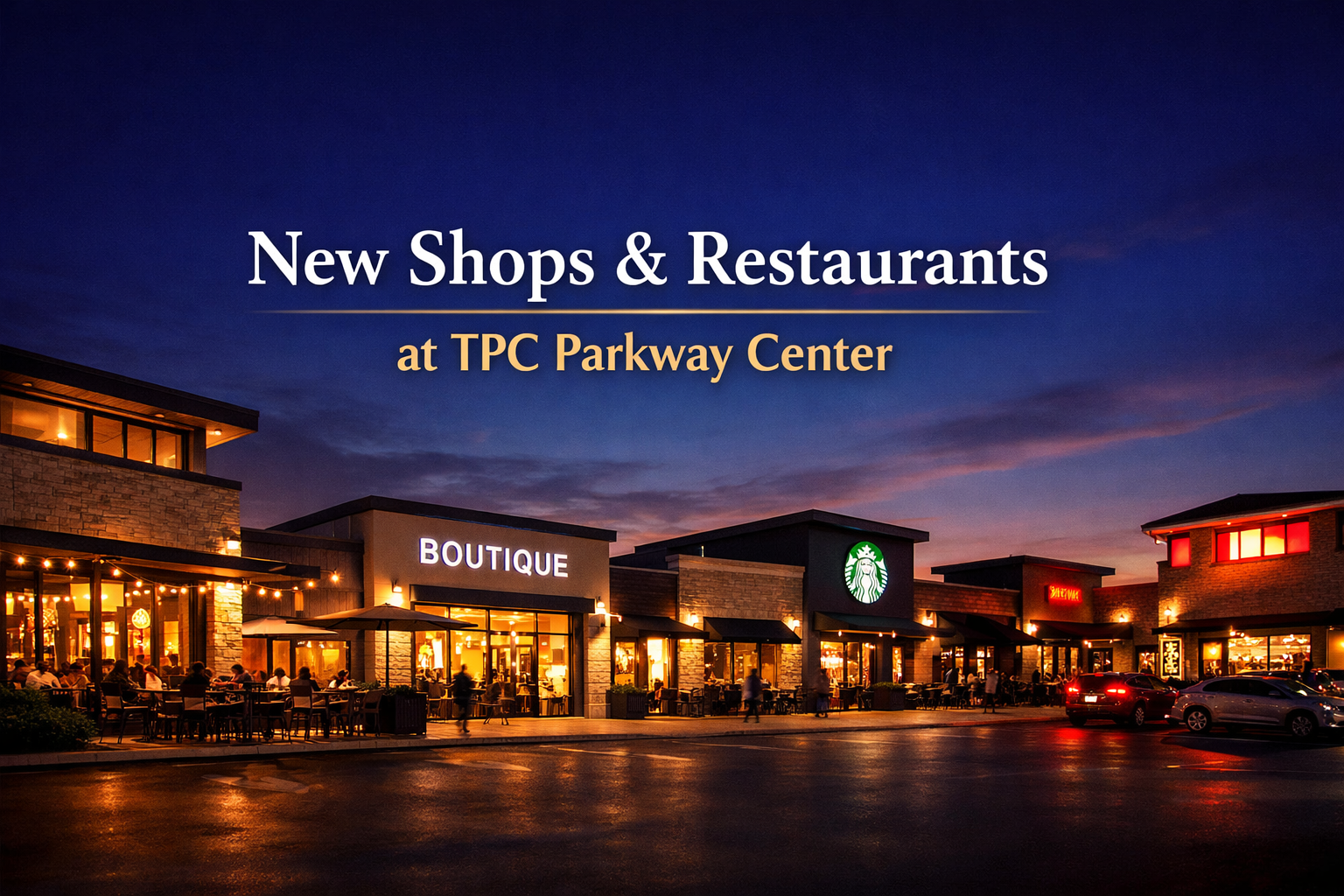
When neighborhood commercial centers open in residential corridors, their presence reflects professional assessment that population density has reached levels supporting sustained retail operations. A new shopping center at 4250 TPC Parkway near Highway 281 and Stone Oak is bringing diverse restaurants, services, and retail to one of San Antonio's most sought-after residential corridors. For buyers evaluating homes for sale in San Antonio along the Far Northside, understanding what this commercial investment signals about corridor maturity provides valuable context for housing decisions.
According to Tami Price, REALTOR®, commercial development in growing corridors often validates what residential market activity has already demonstrated about neighborhood demand and long-term trajectory.
The development's tenant mix addresses various daily needs including dining, wellness, healthcare, and everyday retail. This variety creates neighborhood commercial infrastructure that residents can access without traveling to more distant centers. For households considering communities like Encino Ranch, Cibolo Canyons, or Timberwood Park, nearby amenity access affects how residents experience their neighborhoods in practical ways that accumulate through daily living.
Key implications for Far Northside buyers:
- Commercial investment indicating corridor population maturity
- Neighborhood amenities reducing travel for routine needs
- Development patterns suggesting continued area evolution
- Lifestyle convenience factoring into location evaluation
Q: Why should home buyers consider commercial development when evaluating neighborhoods?
A: Commercial presence affects daily convenience, neighborhood character, and long-term area trajectory. Developments like the TPC Parkway center indicate professional conclusions that surrounding population supports quality tenants. Buyers can factor this market validation into their assessment alongside schools, commute times, and housing costs.
Why Did This Location Attract Commercial Investment?
Understanding why commercial developers selected 4250 TPC Parkway helps buyers appreciate what the investment signals about surrounding residential areas. Commercial developers and retailers evaluate locations based on population density, demographics, traffic patterns, and competitive landscape. The decision to develop this site reflects assessment that conditions support successful retail operations serving Far Northside households.
The TPC Parkway corridor occupies a strategic position within San Antonio's Far Northside, connecting Highway 281 with residential communities including Encino Ranch and surrounding neighborhoods. This positioning provides both visibility from traffic and proximity to substantial residential population. The combination of access and customer base creates conditions that retailers find attractive when selecting locations.
Communities throughout the Far Northside along the 281 corridor have experienced sustained residential development over recent years. Encino Ranch, Cibolo Canyons, Timberwood Park, and various other neighborhoods have added thousands of households. This population accumulation creates the customer density that commercial development requires. The shopping center responds to this residential growth by bringing services closer to where people live.
Factors attracting commercial investment:
- Strategic positioning connecting 281 to residential communities
- Substantial residential population in surrounding neighborhoods
- Sustained growth building customer density over years
- Gap-filling opportunity addressing underserved corridor portions
- Professional assessment validating area development patterns
Q: What does commercial location selection indicate about an area's housing market?
A: Commercial developers conduct market analysis before committing capital, evaluating whether customer bases can support profitable operations. Their investment decisions provide external validation of residential growth patterns that individual buyers observe anecdotally. This professional assessment can inform buyer confidence about corridor trajectory.
How Does Commercial Following Rooftops Affect Buyer Timing Decisions?
The pattern of commercial development following residential growth creates timing considerations for buyers evaluating growing corridors. Understanding this relationship helps buyers assess current conditions versus likely future development and make decisions aligned with their priorities and patience for area evolution.
Commercial development typically lags residential growth rather than leading it. Housing construction creates population that eventually attracts retail, restaurants, and services. This sequence means early residents in developing areas may experience periods where nearby amenities remain limited before commercial investment catches up with population accumulation. The TPC Parkway development demonstrates the corridor reaching maturity levels where quality neighborhood commercial becomes viable.
For buyers, this pattern creates strategic considerations. Purchasing in growing corridors before commercial infrastructure fully develops may offer price advantages, with the tradeoff of temporary inconvenience that improves over time. Buyers who purchased along TPC Parkway years ago accepted fewer nearby options in exchange for accessing the corridor earlier in its growth cycle. Those purchasing now benefit from commercial infrastructure that earlier buyers helped make possible through their population contribution.
Pattern implications for buyer timing:
- Earlier purchases potentially accessing better pricing
- Tradeoff involving temporary amenity limitations
- Later purchases benefiting from developed infrastructure
- Corridor maturity reducing uncertainty about trajectory
- Development patterns informing timeline expectations
Q: Should buyers wait for commercial development before purchasing in growing areas?
A: Waiting until commercial infrastructure fully develops typically means paying higher prices reflecting completed amenities and reduced uncertainty. Buyers comfortable with current conditions while anticipating improvement may find value purchasing earlier. Buyers preferring established amenities may find the Far Northside's current development level attractive compared to less mature corridors.
What Communities Surround the TPC Parkway Development?
Understanding the residential context near the shopping center helps buyers appreciate housing options in the area and evaluate which communities match their priorities. Several distinctive communities occupy the Far Northside corridor, each offering different characteristics while sharing proximity to the new commercial amenities. These neighborhoods represent some of San Antonio's most desirable residential areas.
Encino Ranch lies particularly close to the TPC Parkway development, making the new shopping center especially convenient for its residents. The master-planned community features varied housing options within a gated environment. Amenities, schools, and community programming have made Encino Ranch attractive to families seeking comprehensive neighborhood environments. The proximity to the new shopping center adds another amenity layer for current and future residents.
Cibolo Canyons offers resort-style amenities anchored by the JW Marriott resort and TPC San Antonio golf courses. Timberwood Park provides another master-planned option with community amenities. Various other subdivisions and communities populate the corridor, each offering somewhat different housing styles and price points. The collective residential population from these communities creates the customer base supporting commercial development.
Communities for buyer consideration:
- Encino Ranch offering master-planned living near commercial
- Cibolo Canyons featuring resort-style amenities
- Timberwood Park providing comprehensive community amenities
- Various subdivisions serving different buyer profiles and budgets
- Stone Oak offering extensive established commercial infrastructure
Q: How do different Far Northside communities compare for buyers?
A: Communities vary in housing styles, price points, amenity packages, and HOA structures. Encino Ranch emphasizes gated security and family amenities. Cibolo Canyons appeals to buyers valuing resort-style living and golf access. Timberwood Park offers master-planned living with established community character. Working with experienced representation helps buyers identify which community characteristics align with their specific priorities.
How Should Buyers Evaluate Nearby Amenities When Choosing Neighborhoods?
Understanding how commercial amenities affect neighborhood appeal helps buyers think systematically about location factors. The presence of restaurants, services, and retail within convenient distance contributes to daily life quality in ways households experience directly. Evaluating how much these factors matter helps identify appropriate communities matching buyer priorities.
Convenience reduces time spent traveling for routine needs. Residents with dining, healthcare, fitness, and shopping options nearby spend less time in vehicles accomplishing everyday errands. This time savings accumulates across multiple trips, potentially freeing significant hours over weeks and months. For busy households managing work, school, activities, and other commitments, convenience represents meaningful lifestyle value.
The types of amenities available also matter beyond just proximity. The TPC Parkway development's mix of dining variety, wellness services, healthcare, and everyday retail creates comprehensive neighborhood commercial rather than single-category development. Residents can address multiple needs in single trips or convenient separate visits. This variety affects how useful the commercial presence becomes for daily living.
Amenity evaluation considerations:
- Convenience reducing time for routine errands
- Time savings accumulating across multiple trips
- Amenity variety enabling comprehensive local access
- Balance against fundamental factors like schools and commute
- Household priorities determining appropriate weighting
Q: How much should nearby amenities influence home buying decisions?
A: Amenity proximity represents one consideration among many including schools, commute times, property characteristics, and price. For most buyers, fundamental factors should take precedence. However, households where convenience significantly affects lifestyle satisfaction might weight amenities more heavily. Consider commercial access as context informing decisions rather than primary driver unless convenience particularly matters for your household.
What Does the Development Include and When Will It Fully Open?
Understanding the development's scope and timeline helps buyers evaluate what amenities become available and when. The shopping center at 4250 TPC Parkway features diverse tenants addressing dining, wellness, healthcare, and everyday retail needs. Some tenants have already opened while others continue buildout with openings expected through early 2026.
The dining options span multiple cuisines including pizza, Mexican, Asian-inspired, and Italian fare. This culinary variety enables residents to satisfy different preferences without traveling beyond the immediate area. A Pilates studio serves residents seeking neighborhood fitness options. Extended-hours dental care accommodates working schedules. Local boutiques, a barbershop, and a bodega-style convenience market provide retail and services addressing regular needs.
The staggered opening schedule means residents will see the development activate over time rather than all at once. Buyers purchasing now would experience partial activation initially with the full tenant mix emerging over coming months. This phased activation is normal for multi-tenant developments where individual businesses proceed on their own timelines.
Development scope summary:
- Multiple dining options spanning different cuisines
- Fitness and wellness services including Pilates studio
- Healthcare including extended-hours dental care
- Retail including boutiques, barbershop, and convenience market
- Phased openings continuing through early 2026
- Comprehensive neighborhood commercial emerging over time
Q: How does development timing affect buyer decisions?
A: Buyers purchasing before full activation experience the development as it exists currently, with additional tenants opening over months. Those prioritizing immediate access to specific amenities should verify which tenants are currently operating. The phased timeline means early purchasers see the corridor evolve while living there, potentially experiencing value appreciation as amenities become complete.
How Does Far Northside Commercial Compare to Established Stone Oak?
Understanding how the TPC Parkway shopping center relates to Stone Oak's more extensive commercial development helps buyers appreciate what different corridor positions offer. Stone Oak has accumulated substantial commercial infrastructure over decades while areas further north along TPC Parkway have had fewer nearby options. The new development changes this dynamic for northern corridor residents.
Stone Oak offers extensive retail, dining, medical facilities, and varied services developed over years of sustained investment. This comprehensive infrastructure has made Stone Oak a destination drawing customers from surrounding areas. Residents of communities along TPC Parkway have traveled to Stone Oak for many needs that local options did not address.
The TPC Parkway shopping center provides neighborhood-scale commercial that addresses everyday needs without replacing Stone Oak's more comprehensive offerings. Residents may find themselves visiting Stone Oak less frequently for routine dining and services while still traveling there for specific retailers, medical facilities, or restaurants not available along TPC Parkway. The developments complement each other rather than directly competing.
Corridor positioning considerations:
- Stone Oak offering extensive established commercial
- TPC Parkway adding neighborhood-scale convenience
- Reduced travel for routine needs closer to home
- Stone Oak remaining destination for specific needs
- Complementary relationship serving different purposes
- Corridor position affecting daily convenience patterns
Q: Should buyers prioritize proximity to Stone Oak or emerging TPC Parkway commercial?
A: The answer depends on household priorities and which amenities matter most. Proximity to Stone Oak provides immediate access to comprehensive commercial infrastructure. Proximity to TPC Parkway offers newer housing stock and emerging neighborhood commercial with potentially lower prices reflecting earlier corridor position. Buyers should evaluate which combination of housing characteristics and amenity access best matches their priorities.
What Attracts Buyers to the Far Northside Corridor?
Understanding what draws households to the Far Northside helps buyers evaluate whether the corridor matches their priorities. The area offers characteristics appealing to specific buyer profiles, creating the population growth that attracts commercial development. Recognizing these attractions helps buyers assess fit with their circumstances.
Schools represent a significant draw for families with children. The area is served by school districts that families prioritize when making location decisions. This educational appeal attracts families who organize housing decisions around school access. Buyers should verify specific school assignments for properties under consideration rather than assuming based on general area descriptions.
Access to outdoor amenities including trails, parks, and natural areas appeals to residents valuing active lifestyles. Master-planned communities offering comprehensive amenities provide lifestyle packages that individual lot development cannot replicate. Newer construction throughout the corridor provides contemporary homes with current design preferences and building standards.
Far Northside buyer attractions:
- Quality schools drawing family households
- Outdoor amenities supporting active lifestyles
- Master-planned communities with comprehensive amenities
- Newer construction offering contemporary homes
- Positioning between employment centers and Hill Country character
- Commercial development creating lifestyle convenience
Q: What buyer profiles does the Far Northside typically attract?
A: The corridor appeals particularly to families prioritizing schools and community amenities, move-up buyers seeking newer construction and comprehensive neighborhoods, military families stationed at Joint Base San Antonio seeking quality schools and reasonable commutes, and buyers valuing outdoor access and Hill Country proximity. Working with experienced representation helps buyers determine whether the corridor matches their specific profile and priorities.
How Does Walkability Factor into Neighborhood Evaluation?
The TPC Parkway shopping center's proximity to residential communities like Encino Ranch creates potential for walkable access that vehicle-dependent commercial cannot provide. Understanding walkability factors helps buyers appreciate different ways they might access amenities and evaluate whether pedestrian accessibility matters for their lifestyle.
Residents of communities immediately adjacent to the shopping center may find walking feasible for visits, weather and other conditions permitting. This walkable access enables errands without vehicle use, providing health benefits through physical activity while reducing vehicle dependency. The convenience of walking for nearby residents adds value beyond what driving-only access provides.
Walkability depends on specific residential location, distance, pedestrian infrastructure, and individual comfort with walking distances. Some portions of nearby communities may have reasonable walking access while more distant areas within the same communities may find driving more practical. Buyers prioritizing walkable access should evaluate specific properties' positioning relative to commercial destinations.
Walkability considerations:
- Adjacent communities potentially having walkable access
- Health benefits through pedestrian trips
- Walkability varying by specific property location
- Pedestrian infrastructure affecting accessibility
- Individual preferences determining walkability importance
- Proximity benefiting both walkers and drivers
Q: How can buyers assess walkability for specific properties?
A: Visit properties and walk routes to commercial destinations personally to assess feasibility. Evaluate sidewalk availability, crossing safety, and distance comfort. Consider whether walkability matters enough to your household to influence property selection within a community. Even properties where walking proves impractical benefit from proximity enabling quick vehicle trips.
How Should Sellers in Far Northside Communities Position Properties?
For those selling a home in San Antonio in Far Northside communities near the TPC Parkway development, understanding how commercial growth affects buyer perceptions helps optimize marketing positioning. Commercial expansion announcements provide supporting context for narratives about neighborhood trajectory and lifestyle convenience.
Sellers can reference nearby commercial development when marketing properties to buyers who value convenience and recognize area maturity signals. Highlighting proximity to the new shopping center, specific amenities available, and walking or driving convenience helps buyers understand lifestyle benefits the location provides.
Pricing strategy should account for how commercial development affects comparable positioning. Properties with convenient access to quality neighborhood commercial may command positioning advantages compared to similar properties in less convenient locations. Working with experienced representation helps sellers identify appropriate pricing reflecting both property characteristics and location amenities.
Marketing materials can emphasize the combination of residential community character and nearby commercial convenience. Professional photography showcasing property features combined with neighborhood context helps buyers envision daily life including easy access to dining, services, and everyday needs.
Seller positioning strategies:
- Reference nearby commercial supporting convenience narratives
- Highlight specific amenities and proximity benefits
- Price appropriately reflecting location advantages
- Emphasize lifestyle convenience in marketing materials
- Professional presentation showcasing property and location
- Experienced representation optimizing market positioning
Q: How do commercial amenities affect property values in nearby communities?
A: Convenient access to quality commercial generally supports property appeal by enhancing lifestyle convenience and indicating corridor maturity. However, relationships between specific commercial developments and property values involve many factors and individual transactions vary. Avoid making specific value claims based on commercial development. Instead, focus on lifestyle benefits that buyers can evaluate for themselves.
What Does This Development Signal About Corridor Trajectory?
The TPC Parkway shopping center provides perspective on how professional investors assess the 281 North corridor's development trajectory. Commercial investment decisions reflect market analysis that buyers and sellers may find informative when evaluating the area. Understanding what the development signals helps contextualize individual housing decisions within broader patterns.
Commercial developers commit capital based on projections that customer bases can support profitable operations. The decision to develop neighborhood retail at this location indicates assessment that surrounding population and demographics justify investment. This professional evaluation provides external validation of the corridor's residential growth that residents observe through their daily experience.
The pattern of commercial following residential development suggests the Far Northside has progressed through growth phases where significant population accumulation now attracts commercial investment. This trajectory typically continues as population growth proceeds, though timing and specific developments depend on various market factors. The current development demonstrates corridor maturity without guaranteeing specific future investment.
Trajectory signals for buyer consideration:
- Commercial investment indicating professional market confidence
- External validation of residential growth patterns
- Corridor maturity supporting quality neighborhood retail
- Development phase progression suggesting continued evolution
- Market factors affecting specific future development
- Current maturity providing confidence without guarantees
Q: Does commercial development indicate property values will increase?
A: Commercial development generally reflects positive market conditions and may contribute to neighborhood appeal, but specific property value movements depend on many factors including broader market conditions, interest rates, economic factors, and individual property characteristics. Avoid assuming direct causation between commercial development and property value increases. Focus instead on lifestyle benefits and corridor trajectory indicators.
What Questions Should Buyers Ask When Evaluating the Far Northside?
Those exploring homes for sale in San Antonio along the Far Northside benefit from asking specific questions that reveal how the corridor matches their priorities. Systematic evaluation helps buyers make informed decisions rather than relying on general impressions or assumptions about the area.
Start with school verification for households with children. Confirm which specific campuses serve properties under consideration rather than assuming based on community names or proximity to school buildings. District websites provide assignment tools, and boundaries can change over time.
Evaluate commute patterns to likely employment destinations. The Far Northside's position relative to major employers affects daily convenience. Drive routes during peak hours to understand actual traffic conditions rather than relying on mapping estimates that may not reflect congestion patterns.
Assess commercial access based on specific property locations. Proximity to the TPC Parkway development and Stone Oak commercial varies significantly across the corridor. Properties in different communities or different portions of the same community may have quite different convenience profiles.
Buyer evaluation questions:
- Which specific schools serve this property address?
- What is the actual commute during peak traffic hours?
- How convenient is commercial access from this specific location?
- What amenities does the community provide?
- How do prices compare with similar properties elsewhere?
- What is the HOA structure and what does it cover?
- What development activity is occurring nearby?
Q: How can buyers verify information about Far Northside communities?
A: Visit communities personally at different times rather than relying solely on online research. Speak with current residents when possible. Verify school assignments directly with districts. Research HOA documents for communities under consideration. Work with experienced representation who can provide accurate local information and help verify claims made by sellers or builders.
Expert Insight from Tami Price
"Commercial development like this TPC Parkway center demonstrates the corridor has reached maturity levels where quality neighborhood retail makes sense," says Tami Price, REALTOR® and Broker Associate with Real Broker, LLC. "When professional developers invest in neighborhood commercial, they are validating what residential market activity has shown about population growth and demographic strength. Buyers can factor this external assessment into their evaluation alongside the practical lifestyle benefits nearby amenities provide."
Price brings nearly two decades of experience and approximately 1,000 closed transactions to her work with buyers and sellers throughout San Antonio, Schertz, Cibolo, Helotes, Converse, and Boerne. Her understanding of how commercial development connects to residential market dynamics helps clients evaluate options throughout the metropolitan area.
"The Far Northside continues attracting families, military relocations, and move-up buyers seeking quality schools, newer construction, and comprehensive amenities," Price explains. "Understanding how residential growth and commercial development relate helps buyers make informed decisions about timing and positioning within the corridor. Areas further along in commercial development offer immediate convenience, while emerging areas may offer value for buyers comfortable with current conditions while anticipating improvement."
Her recognition as a RealTrends Verified Top Agent and 14-time Five Star Professional Award Winner reflects consistent client satisfaction across diverse transaction types. Her Military Relocation Professional (MRP) certification demonstrates specialized expertise serving military families navigating moves to areas like the Far Northside.
"For sellers in these communities, commercial expansion provides supporting context for marketing narratives about neighborhood lifestyle and trajectory," Price notes. "Properties positioned near quality commercial can emphasize that convenience in ways that resonate with buyers prioritizing lifestyle factors alongside property characteristics."
Three Key Takeaways
1. New Commercial Development at 4250 TPC Parkway Signals Far Northside Corridor Maturity and Validates Residential Growth Patterns
The shopping center bringing diverse restaurants, wellness services, healthcare, and retail to the TPC Parkway corridor reflects professional assessment that surrounding population has reached levels supporting quality neighborhood commercial. For buyers evaluating homes for sale in San Antonio along the Far Northside, this commercial investment provides external validation of what residential market activity has demonstrated about the corridor's trajectory and long-term positioning.
2. Nearby Commercial Amenities Affect Daily Convenience and Lifestyle Quality for Residents of Surrounding Communities
Communities like Encino Ranch, Cibolo Canyons, and Timberwood Park gain convenient access to dining, services, and retail that previously required travel to Stone Oak or more distant commercial centers. This convenience reduces time spent on routine errands and contributes to lifestyle satisfaction in practical ways households experience directly. Buyers can factor amenity access into location evaluation alongside fundamental considerations like schools and commute times.
3. Understanding Commercial-Follows-Rooftops Patterns Helps Buyers Evaluate Corridor Positioning and Timing Decisions
The TPC Parkway development demonstrates how commercial infrastructure develops as residential population accumulates. Buyers purchasing earlier in corridor development cycles may access better pricing with tradeoffs in immediate convenience. Those purchasing after commercial infrastructure develops pay prices reflecting completed amenities and reduced uncertainty. Working with experienced representation like Tami Price, recognized as one of the best real estate agents in San Antonio, helps buyers evaluate which timing and positioning matches their priorities.
Frequently Asked Questions
Q: Where is the new shopping center located?
A: The shopping center is located at 4250 TPC Parkway, just off Highway 281 North and minutes from Stone Oak. The location provides convenient access for residents of Encino Ranch and surrounding Far Northside communities.
Q: What businesses are opening at the shopping center?
A: Confirmed tenants include multiple restaurants spanning pizza, Mexican, Asian-inspired, and Italian cuisines, plus a Pilates studio, extended-hours dental care, local boutiques, a barbershop, and a bodega-style convenience market. Some tenants are already open with others completing buildout through early 2026.
Q: How does this affect buyers considering Far Northside communities?
A: The development adds convenient commercial access for residents of nearby communities, reducing travel for routine dining and errands. The commercial investment also signals professional assessment of corridor maturity that buyers can factor into their evaluation of the area's trajectory.
Q: What neighborhoods are closest to the shopping center?
A: Encino Ranch is particularly close to the development. Cibolo Canyons, Timberwood Park, and various other Far Northside communities are within convenient driving distance. Stone Oak, while slightly further south, offers more extensive established commercial.
Q: Is the shopping center walkable from nearby neighborhoods?
A: Walkability depends on specific property location within surrounding communities. Portions of Encino Ranch and immediately adjacent areas may have reasonable walking access, while more distant locations may find driving more practical.
Q: How does this compare to Stone Oak commercial?
A: Stone Oak offers more extensive and established commercial infrastructure developed over decades. The TPC Parkway center provides neighborhood-scale commercial addressing everyday needs without replacing Stone Oak's comprehensive offerings. The developments complement each other, with TPC Parkway reducing routine travel for northern corridor residents.
Q: Does Tami Price work with buyers in the Far Northside?
A: Yes. Tami Price provides comprehensive buyer representation throughout San Antonio, including Far Northside communities near Stone Oak and TPC Parkway. Her nearly two decades of experience and approximately 1,000 closed transactions provide expertise helping buyers evaluate different communities and corridor positions.
Q: How do I start the home buying process?
A: Book a consultation with Tami Price to discuss your priorities, timeline, and target areas. Understanding your specific circumstances enables personalized guidance through the home buying process.
The Bottom Line
The shopping center at 4250 TPC Parkway adds neighborhood commercial infrastructure to one of San Antonio's most desirable residential corridors, bringing convenient dining, services, and retail to residents of Encino Ranch and surrounding Far Northside communities. The development responds to years of residential growth that has created customer bases supporting quality tenants and signals corridor maturity that buyers can factor into their evaluation.
For buyers considering the Far Northside, understanding how commercial development relates to residential markets helps inform location decisions. Areas with established commercial offer immediate convenience, while emerging portions of corridors may offer value for buyers comfortable with current conditions anticipating continued development. Evaluating where specific communities fall along this spectrum helps buyers identify positions matching their priorities.
Working with experienced representation helps both buyers and sellers navigate Far Northside dynamics effectively. Whether evaluating communities near the new TPC Parkway commercial or exploring established Stone Oak neighborhoods, professional guidance ensures housing decisions reflect both current conditions and realistic trajectory assessment.

Contact Tami Price, REALTOR®
Whether exploring the Far Northside near Stone Oak and TPC Parkway or evaluating communities throughout greater San Antonio, working with an experienced REALTOR® provides guidance through the home buying or selling process. Tami Price brings local market knowledge and professional expertise to help clients understand how neighborhood development affects different areas and make informed housing decisions.
From families seeking quality schools to military households navigating relocations, personalized service makes the difference in successful transactions.
Tami Price, REALTOR®, Broker Associate
📞 210-620-6681
Tami Price's Specialties
- Comprehensive Buyer and Seller Representation
- Military Relocations and PCS Moves
- VA Loan Guidance and Assumptions
- New Construction Navigation
- Strategic Pricing and Market Analysis
- Professional Property Marketing
- First-Time Buyer Education
- Move-Up and Downsizing Transitions
- Residential Real Estate Throughout San Antonio, Schertz, Cibolo, Helotes, Converse, and Boerne
Disclaimer
This blog post is provided for informational purposes only and should not be construed as guarantees regarding property values, market performance, or commercial development outcomes. Information about the TPC Parkway shopping center reflects publicly available details as of the publication date and is subject to change. Tenant mix, opening dates, and business operations are determined by individual businesses and property ownership and may be modified without notice. Real estate decisions should be based on individual circumstances, professional guidance, and current market conditions. Tami Price, REALTOR®, and Real Broker, LLC make no warranties regarding accuracy, completeness, or applicability of information to specific circumstances.
Categories
- All Blogs (933)
- Home Buying (14)
- Neighborhood Guides (44)
- 10 Incentive and Rate Buydown Questions (1)
- 10 Military Neighborhood (1)
- 10 Mistakes Sellers Make (1)
- 10 Strategies to Coordinate a Same Day Close (1)
- 12 Lifestyle Questions to Move In (1)
- 12 PCS What Ifs (1)
- 12 Photos and Marketing Assets (1)
- 13 PCS Hunting Trip Tips (1)
- 15 Red Flags Touring Home in San Antonio (1)
- 2026 Market (1)
- 30 days after closing your home (1)
- 7 Offer Terms Beyond Price (1)
- 7 VA Specific Questions (1)
- 78015 Ranked One (1)
- 8 Bridge (1)
- 8 Myths Buyers Believe about Down Payments (1)
- 8 Reasons VA Buyers Love New Construction (1)
- 9 Mistakes Move Up Buyers Make (1)
- 9 Questions to Decide If You Keep Your PCS Home (1)
- 9 Timeline Questions Every Buyer Need to Ask (1)
- 9 Warranty Questions to Ask (1)
- 9 Ways to Attract VA & Military Buyers (1)
- About Tami Price (6)
- Active Adult Homes (1)
- Affordable Communities (2)
- Affordable Housing & Community Development (5)
- Agent Qualifications and Credentials (1)
- Agent Qualifications and Experience (1)
- Agent Recognition (3)
- Agent Selection (1)
- AI and Real Estate Tools (1)
- Alamo Heights (5)
- Alamo Heights ISD (1)
- Alamo Heights Real Estate (1)
- Alamo Ranch (3)
- Amenities in Helotes, Texas (3)
- Apartment Market (1)
- Appraisals (1)
- Arts and Culture (1)
- Awards and Recognition (7)
- Balcones Creek (1)
- Best Neighborhoods to Live in Cibolo, TX (3)
- Best Neighborhoods to Live in San Antonio (16)
- Best Places to Live in Leon Valley: A Neighborhood Guide (1)
- Best Places to Live in Northeast Inner Loop: A Neighborhood Guide (1)
- Bexar County Property Tax (1)
- Bexar County Real Estate (3)
- Boerne Home Sellers (1)
- Boerne Neighborhoods (2)
- Boerne Texas (9)
- Broadway Corridor Development (1)
- Build-to-Rent Communities (1)
- Builder Contracts & Warranties (3)
- Builder Incentives (1)
- Builder Warranties (1)
- Buyer (97)
- Buyer Activity San Antonio (1)
- Buyer and Seller Guidance (4)
- Buyer Due Diligence (1)
- Buyer Education (46)
- Buyer Guide (9)
- Buyer Guides (7)
- Buyer Protection Strategies (1)
- Buyer Representation (1)
- Buyer Representation Expertise (1)
- Buyer Resources (88)
- Buyer Strategy (2)
- Buyers (13)
- Buyers Agent (1)
- Buying a Foreclosed Home in San Antonio (10)
- Buying a Home (3)
- Buying a Home in San Antonio (6)
- Buying Near JBSA (1)
- Buying Timeline (1)
- Buying vs Renting (1)
- Castroville, TX (8)
- Central San Antonio (1)
- Central San Antonio Development (2)
- Central Texas Growth (1)
- Choosing a Real Estate Agent (1)
- Choosing an Agent (1)
- Cibolo Communities (1)
- Cibolo Home Sellers (1)
- Cibolo TX (15)
- Client Reviews and Testimonials (1)
- Client Satisfaction (1)
- Client Stories (1)
- Client Testimonial (4)
- Clients review (4)
- Cobblestone (1)
- Comal County (1)
- Commercial & Retail Development (27)
- Commercial Development (13)
- Commercial Development Impact on Home Values (1)
- Commercial Real Estate (1)
- Community (1)
- Community Amenities (2)
- Community Development (23)
- Community Development and Real Estate (3)
- Community Events & Development (1)
- Community Infrastructure (1)
- Community Investment Impact (2)
- Community Landmarks (1)
- Community News (4)
- Community Planning (2)
- Community Revitalization (1)
- Community Spotlights (1)
- Commuter Neighborhoods (1)
- Cons of Living in Helotes, TX (4)
- Conservation Communities (1)
- Contingency Questions (1)
- Converse Home Sellers (1)
- Converse Homes For Sale (3)
- Converse Real Estate (1)
- Converse TX (10)
- Converse TX Real Estate (1)
- Cost of Living Guides (1)
- Cost of Living in San Antonio TX (25)
- CPS Energy Programs (1)
- Custom Homes (5)
- Davis Ranch (1)
- Days on Market (1)
- Deco District San Antonio (1)
- Denver Heights (1)
- Down Payment Assistance (1)
- Downtown Boerne (1)
- Downtown Development (3)
- Downtown Living (1)
- Downtown Revitalization (14)
- Downtown San Antonio (2)
- Downtown San Antonio Real Estate (5)
- Downtown San Antonio Revitalization (1)
- Dual Military (1)
- East Side Living (1)
- East Side Neighborhoods (1)
- East Side San Antonio (4)
- Economic Development (3)
- Economic Growth & Industry (1)
- Education, Texas Hill Country (1)
- Emerald Pointe (1)
- Employment (1)
- Employment Corridors (1)
- Encino Forest (1)
- Entertainment Economy (1)
- Equity and Pricing Strategy (2)
- Equity Q&A (1)
- Established Communities (3)
- Events in San Antonio (207)
- Expert Advice from Tami Price, Realtor® (10)
- Fair Oak Ranch (1)
- Family Activities (2)
- Family Homes (3)
- Family Living in San Antonio (1)
- FAQ (1)
- Far Northwest San Antonio (1)
- Far West San Antonio (1)
- Far Westside Real Estate (4)
- Fastest Growing Zip Codes in America (1)
- Featured Homes for Sale (2)
- Featured Properties (1)
- Financial Planning (10)
- Financing Strategy (1)
- First Time Buyers (23)
- First Time Sellers (1)
- First-Time Buyers (6)
- First-Time Homebuyer Resources (4)
- First-Time Homebuyer Tips (2)
- First-Time Homebuyers (6)
- First-Time Investors (1)
- Fort Sam Houston (3)
- Fort Sam Houston Real Estate (1)
- Fort Sam Houston, TX (2)
- Fox Grove (1)
- FSBO vs Agent Representation (1)
- Future Rental (1)
- Gated Communities (5)
- Golf Communities (1)
- Great Northwest (1)
- Greater San Antonio Housing Trends (2)
- Greater San Antonio Real Estate (5)
- Green Home Upgrades (1)
- Growth and Development (11)
- Healthcare (1)
- HELOC (1)
- Helotes Home Sellers (1)
- Highway 151 Corridor Growth (1)
- Hill Country Business (1)
- Hill Country Communities (2)
- Hill Country Development (3)
- Hill Country Homes for Sale (1)
- Hill Country Living (3)
- Hill Country Market Updates (1)
- Hill Country Real Estate (4)
- Hill Country Retreat (1)
- Historic Districts (5)
- Historic Neighborhoods (4)
- Historic Preservation (2)
- Holiday Attractions (1)
- Holiday Guide (1)
- Home Buying (7)
- Home Buying Education (3)
- Home Buying Guide (7)
- Home Buying Process (8)
- Home Buying Strategy (2)
- Home Buying Tips (6)
- Home Energy Efficiency San Antonio (4)
- Home Financing (2)
- Home Improvement ROI (1)
- Home Inspections (1)
- Home Preparation (2)
- Home Pricing Strategy (14)
- Home Renovation for Resale (1)
- Home Selling (10)
- Home Selling Guide (11)
- Home Selling Strategies (3)
- Home Selling Strategy (3)
- Home Selling Tips (22)
- Home Staging and Updates (2)
- Home Values (2)
- Homebuyer Education (15)
- Homebuyer Resources (1)
- Homebuying Guide (1)
- Homebuying Tips (3)
- Homeowner (36)
- Homeowner Tax Benefits (1)
- Homeownership Costs (1)
- Homes for Sale (2)
- Homes for sale near Lackland AFB (4)
- Homes Near Military Bases (1)
- Homestead amenities (1)
- Horizon Pointe (1)
- House Hunting Guide (1)
- Housing (1)
- Housing Community Development (1)
- Housing Development (2)
- Housing Market Updates (3)
- How to Buy a House in San Antonio TX (48)
- Huebner Oaks shopping center (1)
- Hunters Ranch (1)
- Hybrid (1)
- I-10 Corridor (1)
- I-35 Corridor (1)
- In Person (1)
- Incorporated Cities (6)
- Industrial Investment Impact (1)
- Industry News (2)
- Industry Recognition (1)
- Infrastructure & Growth Projects (26)
- Infrastructure and Sustainability (1)
- Infrastructure Development (1)
- Infrastructure Investment (1)
- Infrastructure Updates (2)
- Interest Rates (2)
- Invest in San Antonio (46)
- Investment Opportunities (3)
- Investment Property San Antonio (4)
- JBSA (9)
- JBSA Housing (11)
- JBSA Real Estate (4)
- JBSA Resources (7)
- Joint Base San Antonio (5)
- Joint Base San Antonio Housing (1)
- Judson ISD (2)
- Kendall County (1)
- La Cantera Retail Development (1)
- Lackland AFB (7)
- Lackland AFB Housing (1)
- Land Conservation (1)
- Land Use Planning (1)
- Lera MLS (15)
- Lifestyle & Community Growth (18)
- Lifestyle & Local Growth (12)
- Lifestyle Amenities (1)
- Lifestyle Communities (1)
- Listing Preparation (1)
- Listing Strategy (1)
- Live Oak (1)
- Living in San Antonio, TX (52)
- Living Near Randolph AFB (7)
- Loan Programs (1)
- Local Attractions (3)
- Local Business (1)
- Local Business & Development (9)
- Local Business & Economy (3)
- Local Business Spotlight (20)
- Local Business Support (5)
- Local Development (4)
- Local Development News (9)
- Local Market Insights (5)
- Local News (2)
- Local News Around San Antonio (2)
- Local Policy Changes (1)
- Local Real Estate News (1)
- Loop 1604 Corridor Growth (2)
- Loop 410 Corridor Development (1)
- Luxury Communities (3)
- Luxury Homes (2)
- Luxury Real Estate (1)
- Luxury Retail San Antonio (1)
- MacArthur Park (1)
- Major Developments (2)
- Making Offers on Homes (1)
- Market Analysis (26)
- Market Conditions (47)
- Market Expertise (1)
- Market Insights (5)
- Market Strategy (1)
- Market Timing (2)
- Market Trends (10)
- Market Trends & Insights (2)
- Market Update (17)
- Market Update 2026 (1)
- Market Updates (22)
- Master Planned Communities (12)
- Medical Center Area Real Estate (1)
- Medina Valley ISD (2)
- Midtown Living (1)
- Military & Economic Impact (3)
- Military Buyers (3)
- Military Communities (1)
- Military Families (1)
- Military Family Resources (1)
- Military Heritage (1)
- Military Homebuying (3)
- Military Homeownership (1)
- Military Housing (3)
- Military Housing Market in Texas (16)
- Military Life in San Antonio (2)
- Military Neighborhoods (1)
- Military PCS Relocations (3)
- Military Real Estate (2)
- Military Relocation (97)
- Military Relocation & VA Loans (10)
- Military Relocation San Antonio (4)
- Military Relocation Services (3)
- Military Relocation to San Antonio (50)
- Military Relocations (20)
- Military Relocations & VA Home Loans (5)
- Mixed-Income Housing (1)
- MLS Accuracy & Data Transparency (1)
- Mortgage Programs (1)
- Mothers Day in San Antonio (1)
- Move to Boerne TX (18)
- Move to Castroville TX (11)
- Move to Converse TX (16)
- Move to New Braunfels (1)
- Move to North San Antonio (19)
- Move to San Antonio TX (73)
- Move to Selma TX (19)
- Move to Shertz TX (13)
- Move to Texas (53)
- Move Up Buyer Resources (1)
- Move Up Buyers (22)
- Move-In Ready Homes (3)
- Move-In Ready Homes San Antonio (2)
- Move-Up Buyers (2)
- Moving to Helotes, TX (17)
- Moving to San Antonio (69)
- MUD Taxes (1)
- Natalia Homes For Sale (1)
- Near East Side Living (1)
- Negotiation Strategy (2)
- Neighborhood Amenities (1)
- Neighborhood Development (1)
- Neighborhood Guides (7)
- Neighborhood Investment (1)
- Neighborhood News (2)
- Neighborhood Revitalization (2)
- Neighborhood Spotlights (12)
- Neighborhood Updates (1)
- Neighborhoods near Randolph AFB (12)
- New Braunfels (6)
- New Braunfels Homes For Sale (1)
- New Braunfels News (3)
- New Braunfels Real Estate (3)
- New Businesses (2)
- New Construction (60)
- New Construction Communities (1)
- New Construction Homes (13)
- New Construction Homes San Antonio (5)
- New Construction vs Resale (1)
- New Construction Without Customization (1)
- New Construction Without the Wait (1)
- New Contruction Cost (1)
- New Development (3)
- New Listing (19)
- New Restaurants (3)
- News (211)
- News & updates (213)
- No HOA Homes (1)
- North Central San Antonio (5)
- North East ISD (4)
- North San Antonio (9)
- North San Antonio Real Estate (3)
- North Side Neighborhoods (1)
- North Side San Antonio Development (2)
- Northeast Inner Loop (1)
- Northeast Inner Loop Neighborhoods (1)
- Northeast San Antonio (3)
- Northside ISD (5)
- Northwest San Antonio (9)
- Northwest San Antonio Development (1)
- Northwest San Antonio Growth (1)
- Northwest San Antonio Real Estate (3)
- Northwood (1)
- Olympia Hills (1)
- One-Story Homes (1)
- Outdoor Living (1)
- Parks and Recreation (2)
- PCS and JBSA (2)
- PCS Guide (4)
- PCS Moves (12)
- PCS Moves to Joint Base San Antonio (4)
- PCS Planning (15)
- PCS Randolph AFB (17)
- PCS Relocation (1)
- PCS Resources (6)
- PCS San Antonio (46)
- PCS to San Antonio (42)
- Pearl District Area Real Estate (2)
- PID Assessments (1)
- Pinon Creek (1)
- Pipe Creek (1)
- Places to Eat Near Randolph AFB (1)
- Pool Homes (1)
- Pre Approval (1)
- Pre-Listing Preparation (2)
- Pre-Listing Process (1)
- Prescott Oaks (1)
- Pricing and Marketing Strategy (3)
- Professional Awards and Achievements (2)
- Professional Real Estate Representation (1)
- Property Tax Exemptions Texas (1)
- Property Value Enhancement (1)
- pros and cons living in Converse TX (3)
- Pros and Cons Living in Selma TX (6)
- Pros and Cons of Living in Castroville, TX (4)
- Pros and Cons of Living in San Antonio (33)
- PT500 List (1)
- Purchase Negotiation (1)
- Quality of Life (1)
- Quick Close Real Estate (1)
- Randolph AFB Neighborhoods (2)
- Real Estate (1)
- Real Estate Advice (1)
- Real Estate Agent Recognition (6)
- Real Estate Agent Selection (2)
- Real Estate Agent Value (1)
- Real Estate Consultation (1)
- Real Estate Finance (1)
- Real Estate Financing (1)
- Real Estate Impact (1)
- Real Estate Investment San Antonio (2)
- Real Estate Legal Issues (1)
- Real Estate Market Insights (2)
- Real Estate Market Trends (5)
- Real Estate Professional Designations (1)
- Real Estate Strategy (1)
- Real Estate Technology & Trends (2)
- Real Estate Tips (1)
- Real Estate Tips and Guides (2)
- Real Estate Trends (4)
- RealTrends Verified (1)
- Regional Development (1)
- Regional Real Estate (2)
- Relocating to San Antonio (2)
- Relocation (4)
- Relocation Resources (2)
- Relocation to San Antonio (55)
- Remote Homebuying (1)
- Rental Housing (1)
- Rental Property (1)
- Rental Strategy (1)
- Resale Properties (1)
- Retail Development (2)
- Retire in Boerne TX (11)
- Retire in San Antonio (37)
- Retirement Communities (1)
- Reviews and Recognition (1)
- Rockwall Ranch (1)
- Rural Living (2)
- SABOR (28)
- San Antonio Area Listings (1)
- San Antonio Business Growth (1)
- San Antonio Buyer Resources (2)
- San Antonio Communities (3)
- San Antonio Community Events (1)
- San Antonio Community News (1)
- San Antonio Data Center Development (1)
- San Antonio Development (5)
- San Antonio Development & East Side Real Estate (1)
- San Antonio Dining and Lifestyle (3)
- San Antonio East Side Development (1)
- San Antonio Employment Growth (1)
- San Antonio Food & Community Development (2)
- San Antonio Growth (8)
- San Antonio Home Buying and Selling (2)
- San Antonio Home Buying Guide (5)
- San Antonio Home Improvement (2)
- San antonio home prices (3)
- San Antonio Home Sellers (3)
- San Antonio Homeowner Guide (1)
- San Antonio Homeowner Resources (1)
- San Antonio Homes for Sale (12)
- San Antonio Housing Market (2)
- San Antonio Housing Market & Mortgage Financing (2)
- San Antonio Housing Market Analysis (2)
- San Antonio Housing Trends & Market Analysis (4)
- San Antonio Industrial Development (1)
- San Antonio Industrial Policy (1)
- San Antonio Investment Properties (2)
- San Antonio Job Market (1)
- San Antonio Lifestyle Amenities (1)
- San Antonio Listing (1)
- San Antonio Living (1)
- San Antonio Market (3)
- San Antonio Market Updates (18)
- San Antonio Military Relocation (3)
- San Antonio Neighborhoods (67)
- San Antonio New Construction & Master-Planned Communities (4)
- San Antonio New Home Communities (1)
- San Antonio News (229)
- San Antonio North Side Development (1)
- San Antonio Parks (1)
- San Antonio Property Investment (1)
- San Antonio Property Taxes (2)
- San Antonio Real Estate (156)
- San Antonio Real Estate Agents (6)
- San Antonio Real Estate Excellence (1)
- San Antonio Real Estate Guide (6)
- San Antonio Real Estate Market (41)
- San Antonio Real Estate Market Analysis (6)
- San Antonio Real Estate News (2)
- San Antonio REALTOR Awards (1)
- San Antonio Restaurant News (2)
- San Antonio Restaurant Openings (1)
- San Antonio Seller Resources (2)
- San Antonio Sellers (1)
- San Antonio Spec Homes (1)
- San Antonio Spurs Community Programs (1)
- San Antonio Suburbs (1)
- San Antonio Transportation (2)
- San Antonio University Area Housing (1)
- San Antonio Urban Living (7)
- San Antonio West Side Development (2)
- San Antonio Zoning Policy (1)
- Scenic Loop (1)
- Schertz Home Sellers (1)
- Schertz Real Estate (1)
- Schertz, TX (13)
- School Districts (1)
- School Information (1)
- SCUCISD Schools (1)
- Secured Quick Offer (1)
- Sell Home In San Antonio TX (64)
- Seller (83)
- Seller Education (24)
- Seller Guide (4)
- Seller Guides (1)
- Seller Representation Expertise (1)
- Seller Resources (67)
- Seller Should Understand (1)
- Seller Strategy (3)
- Seller Tips (2)
- Sellers (10)
- Selling A Home in San Antonio (62)
- Selling Your San Antonio Home (3)
- Selma TX (9)
- Single-Story Homes (4)
- Smart Homes (1)
- Solar Homes (2)
- South San Antonio Real Estate (1)
- South Side Economic Growth (1)
- South Side San Antonio (1)
- Southtown (2)
- Southwest San Antonio Real Estate (1)
- Spec Homes and Inventory Homes (2)
- Spurs Arena Project Marvel (1)
- Stone Oak (2)
- Stone Oak Community News (5)
- Suburban Housing Growth (12)
- Suburban Living (2)
- Talise De Culebra (1)
- Technology Growth (3)
- Technology Sector Growth (1)
- Terrell Hills (3)
- Texas Acreage Properties (3)
- Texas Homestead Exemption (1)
- The Dominion Real Estate (1)
- The Rim Area Real Estate (1)
- Things to do in San Antonio TX (21)
- Things to do Near Randolph AFB (4)
- Time Planning (1)
- Time-Sensitive Home Buying (1)
- Timing Strategy (1)
- Tips for Buying New Construction (9)
- Tobin Hill Neighborhoods (2)
- Top Real Estate Agent in San Antonio (3)
- Tourism and Economic Development (1)
- Traders's Joe San Antonio (1)
- Transaction Coordination (1)
- Transportation Infrastructure (1)
- Two-Story Homes (2)
- Universal City (1)
- Updated Homes (2)
- Upscale Communities (1)
- Urban Communities (2)
- Urban Corridor Real Estate (1)
- Urban Development (5)
- Urban Living (3)
- Urban Neighborhoods (4)
- Urban Real Estate (1)
- Urban Renewal Projects (1)
- Urban Revitalization San Antonio (1)
- Utility Cost Reduction (1)
- UTSA Campus Development (1)
- VA Buyers (1)
- VA Home Loan Benefits (3)
- VA Loan Assumptions (3)
- VA loan benefits (27)
- VA Loan Guidance (1)
- VA Loan Home Buying Assistance (2)
- VA Loans (70)
- VA Loans and Military Benefits (3)
- VA Loans and Military Home Buying (3)
- VA Loans San Antonio (43)
- VET Benefits Living in San Antonio (3)
- Veterans Resources (3)
- Village Northwest (1)
- Virtual Buyers (1)
- Walkable Communities (1)
- week in sales (40)
- Weekly Sales Report (41)
- West San Antonio (2)
- West San Antonio Development (1)
- West San Antonio Real Estate (3)
- West San Antonio Real Estate Market (2)
- West Side Infrastructure Planning (1)
- West Side Real Estate (1)
- West Side San Antonio (2)
- Windcrest Homes for Sale (1)
Recent Posts