Is Now a Good Time to Sell My Home in San Antonio?
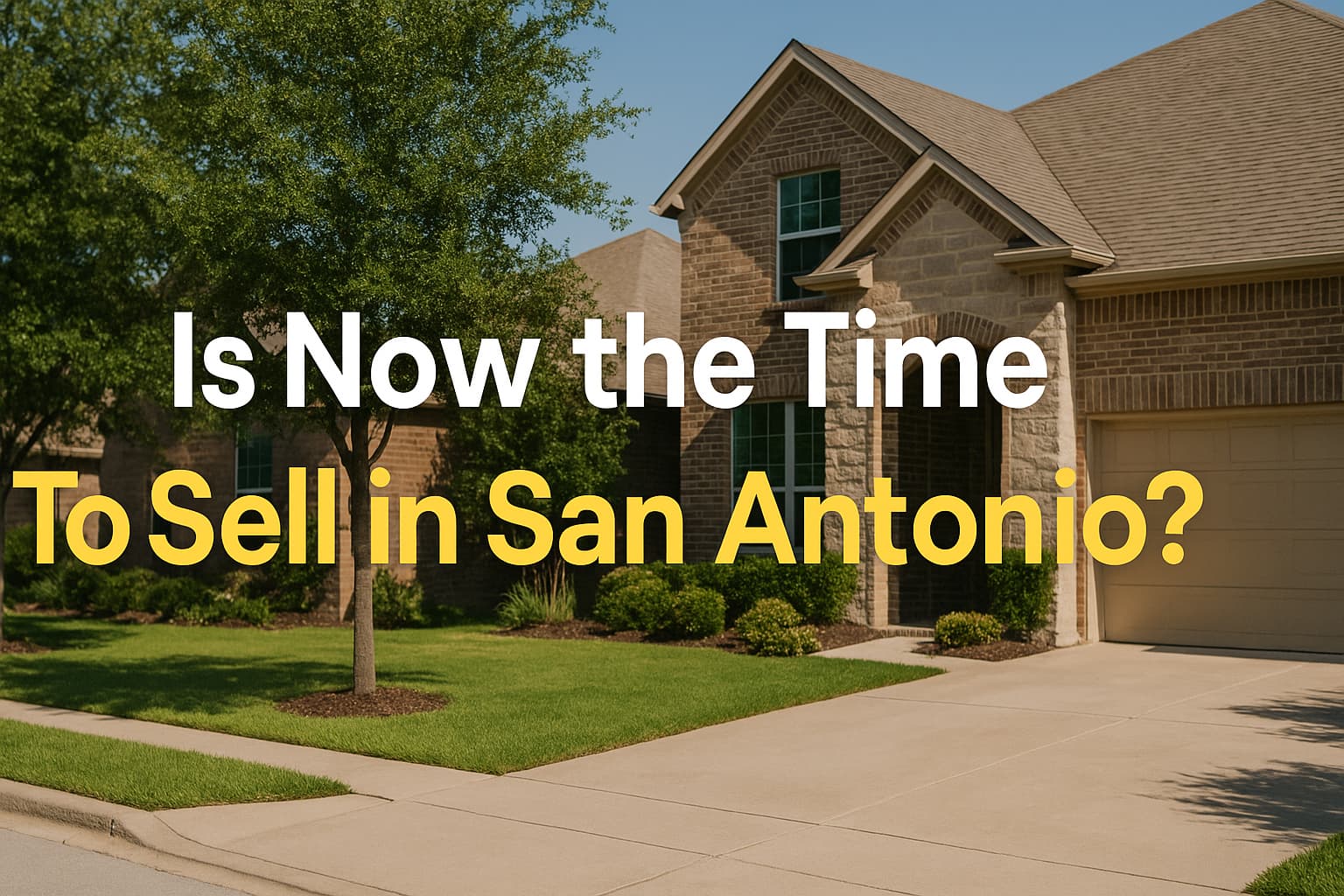
Selling a home in San Antonio, Boerne, Schertz, Cibolo, or Helotes requires a realistic understanding of where the market stands today. Home values across Greater San Antonio have softened since the 2020–2022 peak, and homeowners who purchased during that period may find their current equity position is not what they expected. However, for sellers with flexibility, realistic expectations, and a clear reason to move, opportunities still exist—especially with the right pricing strategy and preparation.
Direct Answer
Whether now is a good time to sell depends heavily on your individual circumstances, when you purchased, and your equity position. Prices across Bexar, Comal, Guadalupe, and Kendall counties have declined from their 2021–2022 peaks. Homeowners who bought during that time may owe more than their home is currently worth. For sellers who purchased earlier, built equity, or have compelling reasons to move, selling remains viable—but expectations must align with today's reality, not yesterday's peak values.
Key Points at a Glance
- San Antonio home values have softened from 2020–2022 peak prices.
- Homeowners who purchased during the peak may have limited or negative equity.
- Buyer demand continues but at a slower pace with more negotiation.
- Properly priced homes still sell, but overpriced homes sit for months.
- Sellers often need to offer concessions such as closing costs or rate buydowns.
- Understanding your true equity position is critical before listing.
- Personal circumstances—not just market conditions—should drive your decision.
The Reality of San Antonio's Current Market
The Greater San Antonio housing market looks very different today than it did in 2020, 2021, and early 2022. During that period, historically low interest rates, pandemic-driven demand, and limited inventory pushed prices to record highs. Bidding wars were common. Homes sold within days, often well above asking price.
That market no longer exists.
Prices have softened across most San Antonio neighborhoods. Inventory has increased significantly, giving buyers more options and more leverage. Higher interest rates have reduced buyer purchasing power, which directly impacts what buyers can offer. The frenzy has been replaced by a more cautious, deliberate market where buyers take their time and negotiate harder. If you'd like guidance on pricing your home in San Antonio, please see this article.
This does not mean selling is impossible. It means sellers must approach the process with clear eyes and realistic expectations.
Quick Takeaway: The 2020–2022 market was an anomaly. Today's market has corrected, and sellers must price and prepare accordingly.
The Challenge for Recent Buyers
One of the most difficult realities facing San Antonio homeowners is the equity position of those who purchased during the market peak. If you bought a home in 2021 or 2022 at top-of-market prices, you may find yourself in one of these situations:
Underwater or near-underwater. Some homeowners owe more on their mortgage than their home would sell for today. This makes selling extremely difficult without bringing money to closing or negotiating a short sale.
Minimal equity. Even if you are not technically underwater, closing costs, agent commissions, and potential concessions to buyers can eliminate whatever small equity you have built.
Unable to move without financial loss. Homeowners who need to relocate for work, family, or other reasons may face the choice of selling at a loss or becoming accidental landlords.
If you purchased before 2020, your equity position is likely stronger. Long-term homeowners who bought five, ten, or more years ago have generally seen appreciation that provides meaningful equity even after recent softening.
Quick Takeaway: Your purchase date and price significantly impact whether selling makes financial sense right now.
When Selling Still Makes Sense
Despite market challenges, there are situations where selling remains the right decision.
You have sufficient equity. If you purchased before the 2020–2022 peak or made a substantial down payment, you likely have enough equity to sell, cover costs, and walk away with proceeds.
Life circumstances require a move. Job relocation, divorce, family needs, health changes, or other life events sometimes make selling necessary regardless of market conditions. In these cases, the goal shifts to minimizing loss rather than maximizing profit.
You are relocating for military PCS. Military families often have no choice but to sell when orders arrive. Understanding your options—including renting versus selling—is critical. The Military Relocation page provides guidance specific to service members.
You are downsizing or transitioning. Empty nesters, retirees, or those seeking a lifestyle change may find that selling—even at a lower price than hoped—supports their larger goals.
You own a rental property that no longer cash flows. Investors holding properties purchased at peak prices may decide that selling at a loss is preferable to continued negative cash flow.
Quick Takeaway: Selling decisions should be driven by your personal circumstances, financial position, and long-term goals—not just market timing.
How to Approach Selling in a Softened Market
If you decide to sell, success requires a different approach than what worked during the seller's frenzy.
Get an accurate assessment of your home's current value. This means looking at recent comparable sales—not what your neighbor listed for, not what Zillow says, and not what you paid. A professional comparative market analysis based on actual closed sales in your area provides the foundation for realistic pricing.
Price competitively from day one. In a softened market, overpricing is the fastest way to ensure your home sits unsold. Buyers are educated. They compare your home to others. An overpriced home gets ignored while correctly priced homes attract interest.
Prepare your home thoroughly. With more inventory available, buyers are selective. Homes that show well stand out. Clean, declutter, address deferred maintenance, and consider modest updates that improve first impressions.
Expect negotiations and concessions. Today's buyers frequently request closing cost assistance, repair credits, or interest rate buydowns. Building room for concessions into your pricing strategy helps you remain competitive.
Be patient but responsive. Homes take longer to sell in this market. However, when interest comes, responding quickly and negotiating constructively keeps deals moving forward.
For guidance on preparing your property, the Preparing Your Home for Sale resource outlines the steps that make the biggest difference.
Quick Takeaway: Accurate pricing, thorough preparation, and flexibility in negotiations are essential in today's market.
Neighborhood Conditions Across Greater San Antonio
Market conditions vary by area. Some neighborhoods have softened more than others.
Boerne and Fair Oaks Ranch attract buyers seeking Hill Country lifestyle and strong schools. These areas maintain interest but have seen price adjustments, particularly at higher price points.
Schertz and Cibolo remain popular with families and military buyers due to excellent schools and proximity to JBSA Randolph. Demand continues, though at a measured pace.
Helotes and Northwest San Antonio offer suburban convenience with good access to employers. Well-maintained homes in established neighborhoods still attract buyers, but competition from new construction creates pricing pressure.
Stone Oak and Alamo Ranch have significant inventory, which increases competition among sellers. Pricing must be sharp to stand out.
Near military bases, demand from PCS relocations provides a floor of activity, though these buyers are often budget-conscious and well-informed about their options.
Quick Takeaway: Understanding your specific neighborhood's current conditions helps you set realistic expectations and pricing.
"Tami is absolutely outstanding! I referred my uncle to her to make a transition from TX to PA. She knew the market well, and while the market was down she didn't "fluff up" the prices or give unrealistic advice. She was honest, knowledgeable, and so kind through the whole process. If you are looking for a well-versed agent who will actually take care of you, she is the pick!" — Andrea R.
Questions Sellers Often Ask
Q: How do I know if I am underwater on my home? A: Compare your current mortgage balance to realistic sale prices for similar homes in your neighborhood. Remember to account for selling costs (typically 8–10% of sale price including commissions, title fees, and potential concessions). If your mortgage balance plus selling costs exceeds what your home would realistically sell for, you may be underwater.
Q: What are my options if I owe more than my home is worth? A: Options include staying in the home until values recover, renting the property if it cash flows, bringing money to closing to cover the shortfall, or in some cases, negotiating a short sale with your lender. Each option has implications worth discussing with a real estate professional and possibly a financial advisor.
Q: Should I wait for the market to improve before selling? A: This depends on your circumstances and timeline. Markets are unpredictable. Waiting assumes values will rise, which is not guaranteed. If you have flexibility and no pressing need to move, waiting is an option. If life circumstances require a move, waiting may not be practical.
Q: Will I need to offer concessions to buyers? A: In most cases, yes. Closing cost assistance, repair credits, and rate buydowns have become standard requests. Sellers who refuse all concessions often find their homes sitting longer while more flexible sellers close deals.
Q: How long will it take to sell my home? A: Timeframes vary by price point, location, and condition. Properly priced homes in good condition may sell within 45–90 days. Overpriced homes or those needing significant work can sit for months.
Common Misconceptions About Selling Right Now
Misconception 1: "My home is worth what I paid for it." Unfortunately, markets do not work this way. Your home is worth what a buyer will pay today, based on current conditions and comparable sales. What you paid—especially if you purchased at the peak—may be higher than current market value.
Misconception 2: "I'll just wait until I get my price." Overpriced homes do not attract offers. They sit on the market, become stale, and ultimately sell for less than they would have if priced correctly from the start. The market determines value, not the seller's hopes.
Misconception 3: "Online estimates show my home is worth more." Automated valuation tools like Zillow's Zestimate are notoriously inaccurate, especially in shifting markets. They often lag behind actual conditions and cannot account for your home's specific condition, updates, or lack thereof.
Misconception 4: "The market will bounce back quickly." Market recoveries take time. The conditions that created the 2020–2022 surge—record-low interest rates, pandemic-driven demand, severely limited inventory—are unlikely to repeat soon. Planning based on a quick recovery is risky.
Important Considerations Before Listing
Know your numbers. Understand your mortgage balance, potential sale price, and all costs associated with selling. This determines whether selling is financially viable.
Consider your timeline. Urgent moves limit options. If you have time, you may be able to wait for a better offer or market improvement. If not, pricing aggressively becomes essential.
Evaluate renting as an alternative. If selling would result in significant loss, renting your home might preserve your options while you wait for values to recover. This only makes sense if the rental income covers your costs.
Be honest about your home's condition. Buyers are cautious. Inspection issues that might have been overlooked in a hot market become deal-breakers or negotiation points in today's environment.
Choose an agent who tells you the truth. You need honest guidance about pricing and market conditions, not inflated promises. An agent who tells you what you want to hear rather than what you need to know does you no favors.
For sellers exploring their options, the Sell My Home page outlines the process and what to expect.
"Tami was truly amazing! She one of the few people able to sell homes in this market and see profit! She made my house competitive to the new builds. Tami was communicative and felt like another family member. If I had another home or stayed in the area I would work with her again, for now I’ll send her information to friends and family. 5 stars is not enough, she’s truly doing the impossible." — Alyssa B.
FAQ
Q: What costs should I expect when selling my home? A: Sellers typically pay agent commissions, title fees, prorated property taxes, and buyer concessions. Total selling costs generally run 8–10% of the sale price. Your net proceeds depend on sale price minus mortgage payoff and these costs.
Q: Should I make repairs before listing or sell as-is? A: This depends on your equity position and the severity of issues. Selling as-is typically results in lower offers since buyers discount for unknown repairs. If you have equity to work with, addressing key issues often yields better net results.
Q: How do higher interest rates affect my ability to sell? A: Higher rates reduce what buyers can afford, which puts downward pressure on prices. A buyer who could afford a $350,000 home at 3% interest might only qualify for $280,000 at 7% interest. This reduced purchasing power directly impacts seller pricing.
Q: When is the best time of year to sell in San Antonio? A: Spring typically sees the highest buyer activity. However, San Antonio's mild climate and year-round military relocations create opportunities throughout the year. Your personal timeline often matters more than seasonal trends.
Q: What if my home doesn't sell? A: If your home is not attracting showings or offers, the most common cause is pricing. A price reduction, improved marketing, or addressing buyer feedback may restart activity. In some cases, withdrawing from the market and relisting later is an option.
The Bottom Line
Deciding whether to sell your San Antonio home right now requires honest assessment of your financial position, personal circumstances, and realistic expectations about current market values. The 2020–2022 market was exceptional—and it has corrected. Sellers who purchased during that peak face particularly challenging decisions.
For those with equity, flexibility, or compelling reasons to move, selling remains viable with the right approach. Accurate pricing, thorough preparation, and willingness to negotiate are essential in today's environment.
Tami provides honest, straightforward guidance to sellers navigating this market. She will give you a realistic assessment of your home's value, help you understand your options, and support you in making the decision that is right for your situation—even if that decision is to wait.

Contact Tami
Tami Price, REALTOR®, Broker Associate
📞 210 620 6681
Disclaimer: This content is for educational purposes only and reflects general market conditions in Greater San Antonio at the time of writing. Real estate conditions vary by neighborhood, property type, and buyer profile. Always consult with a licensed real estate professional, lender, or legal advisor before making any real estate decision.
Categories
- All Blogs (940)
- Home Buying (19)
- Neighborhood Guides (44)
- 10 Incentive and Rate Buydown Questions (1)
- 10 Military Neighborhood (1)
- 10 Mistakes Sellers Make (1)
- 10 Strategies to Coordinate a Same Day Close (1)
- 12 Lifestyle Questions to Move In (1)
- 12 PCS What Ifs (1)
- 12 Photos and Marketing Assets (1)
- 13 PCS Hunting Trip Tips (1)
- 14 Design Center Decisions (1)
- 15 Red Flags Touring Home in San Antonio (1)
- 2026 Market (1)
- 30 days after closing your home (1)
- 7 Offer Terms Beyond Price (1)
- 7 VA Specific Questions (1)
- 78015 Ranked One (1)
- 8 Bridge (1)
- 8 Myths Buyers Believe about Down Payments (1)
- 8 Reasons VA Buyers Love New Construction (1)
- 9 Mistakes Move Up Buyers Make (1)
- 9 Questions to Decide If You Keep Your PCS Home (1)
- 9 Timeline Questions Every Buyer Need to Ask (1)
- 9 Warranty Questions to Ask (1)
- 9 Ways to Attract VA & Military Buyers (1)
- 90 days before your move (1)
- About Tami Price (6)
- Active Adult Homes (1)
- Affordable Communities (2)
- Affordable Housing & Community Development (5)
- Agent Qualifications and Credentials (1)
- Agent Qualifications and Experience (1)
- Agent Recognition (3)
- Agent Selection (1)
- AI and Real Estate Tools (1)
- Alamo Heights (5)
- Alamo Heights ISD (1)
- Alamo Heights Real Estate (1)
- Alamo Ranch (3)
- Amenities in Helotes, Texas (3)
- Apartment Market (1)
- Appraisals (1)
- Arts and Culture (1)
- Awards and Recognition (7)
- Balcones Creek (1)
- Best Neighborhoods to Live in Cibolo, TX (3)
- Best Neighborhoods to Live in San Antonio (16)
- Best Places to Live in Leon Valley: A Neighborhood Guide (1)
- Best Places to Live in Northeast Inner Loop: A Neighborhood Guide (1)
- Bexar County Property Tax (1)
- Bexar County Real Estate (3)
- Blue Tape Walkthrough (1)
- Boerne Home Sellers (1)
- Boerne Neighborhoods (2)
- Boerne Texas (9)
- Broadway Corridor Development (1)
- Build-to-Rent Communities (1)
- Builder Contracts & Warranties (3)
- Builder Incentives (1)
- Builder Warranties (1)
- Buyer (97)
- Buyer Activity San Antonio (1)
- Buyer and Seller Guidance (4)
- Buyer Due Diligence (1)
- Buyer Education (46)
- Buyer Guide (9)
- Buyer Guides (7)
- Buyer Protection Strategies (1)
- Buyer Representation (1)
- Buyer Representation Expertise (1)
- Buyer Resources (89)
- Buyer Strategy (2)
- Buyers (13)
- Buyers Agent (1)
- Buying a Foreclosed Home in San Antonio (10)
- Buying a Home (3)
- Buying a Home in San Antonio (6)
- Buying Near JBSA (1)
- Buying Timeline (1)
- Buying vs Renting (1)
- Castroville, TX (8)
- Central San Antonio (1)
- Central San Antonio Development (2)
- Central Texas Growth (1)
- Choosing a Real Estate Agent (1)
- Choosing an Agent (1)
- Cibolo Communities (1)
- Cibolo Home Sellers (1)
- Cibolo TX (15)
- Client Reviews and Testimonials (1)
- Client Satisfaction (1)
- Client Stories (1)
- Client Testimonial (4)
- Clients review (4)
- Closing (1)
- Cobblestone (1)
- Comal County (1)
- Commercial & Retail Development (27)
- Commercial Development (13)
- Commercial Development Impact on Home Values (1)
- Commercial Real Estate (1)
- Community (1)
- Community Amenities (2)
- Community Development (23)
- Community Development and Real Estate (3)
- Community Events & Development (1)
- Community Infrastructure (1)
- Community Investment Impact (2)
- Community Landmarks (1)
- Community News (4)
- Community Planning (2)
- Community Revitalization (1)
- Community Spotlights (1)
- Commuter Neighborhoods (1)
- Cons of Living in Helotes, TX (4)
- Conservation Communities (1)
- Contingency Questions (1)
- Converse Home Sellers (1)
- Converse Homes For Sale (3)
- Converse Real Estate (1)
- Converse TX (10)
- Converse TX Real Estate (1)
- Cost of Living Guides (1)
- Cost of Living in San Antonio TX (25)
- CPS Energy Programs (1)
- Custom Homes (5)
- Davis Ranch (1)
- Days on Market (1)
- Deco District San Antonio (1)
- Denver Heights (1)
- Down Payment Assistance (1)
- Downtown Boerne (1)
- Downtown Development (3)
- Downtown Living (1)
- Downtown Revitalization (14)
- Downtown San Antonio (2)
- Downtown San Antonio Real Estate (5)
- Downtown San Antonio Revitalization (1)
- Dual Military (1)
- East Side Living (1)
- East Side Neighborhoods (1)
- East Side San Antonio (4)
- Economic Development (3)
- Economic Growth & Industry (1)
- Education, Texas Hill Country (1)
- Emerald Pointe (1)
- Employment (1)
- Employment Corridors (1)
- Encino Forest (1)
- Entertainment Economy (1)
- Equity and Pricing Strategy (2)
- Equity Q&A (1)
- Established Communities (3)
- Events in San Antonio (207)
- Expert Advice from Tami Price, Realtor® (10)
- Fair Oak Ranch (1)
- Family Activities (2)
- Family Homes (3)
- Family Living in San Antonio (1)
- FAQ (1)
- Far Northwest San Antonio (1)
- Far West San Antonio (1)
- Far Westside Real Estate (4)
- Fastest Growing Zip Codes in America (1)
- Featured Homes for Sale (2)
- Featured Properties (1)
- Final Walkthrough (1)
- Financial Planning (11)
- Financing Strategy (1)
- First Time Buyers (23)
- First Time Sellers (1)
- First-Time Buyers (6)
- First-Time Homebuyer Resources (4)
- First-Time Homebuyer Tips (2)
- First-Time Homebuyers (6)
- First-Time Investors (1)
- Fort Sam Houston (3)
- Fort Sam Houston Real Estate (1)
- Fort Sam Houston, TX (2)
- Fox Grove (1)
- FSBO vs Agent Representation (1)
- Future Rental (1)
- Gated Communities (5)
- Golf Communities (1)
- Great Northwest (1)
- Greater San Antonio Housing Trends (2)
- Greater San Antonio Real Estate (5)
- Green Home Upgrades (1)
- Growth and Development (11)
- Healthcare (1)
- HELOC (1)
- Helotes Home Sellers (1)
- Highway 151 Corridor Growth (1)
- Hill Country Business (1)
- Hill Country Communities (2)
- Hill Country Development (3)
- Hill Country Homes for Sale (1)
- Hill Country Living (3)
- Hill Country Market Updates (1)
- Hill Country Real Estate (4)
- Hill Country Retreat (1)
- Historic Districts (5)
- Historic Neighborhoods (4)
- Historic Preservation (2)
- Holiday Attractions (1)
- Holiday Guide (1)
- Home Buying (7)
- Home Buying Education (3)
- Home Buying Guide (7)
- Home Buying Process (8)
- Home Buying Strategy (2)
- Home Buying Tips (6)
- Home Energy Efficiency San Antonio (5)
- Home Financing (2)
- Home Improvement ROI (1)
- Home Inspections (3)
- Home Preparation (2)
- Home Pricing Strategy (14)
- Home Renovation for Resale (1)
- Home Selling (12)
- Home Selling Guide (11)
- Home Selling Strategies (3)
- Home Selling Strategy (3)
- Home Selling Tips (22)
- Home Staging and Updates (2)
- Home Values (2)
- Homebuyer Education (15)
- Homebuyer Resources (1)
- Homebuying Guide (1)
- Homebuying Tips (3)
- Homeowner (37)
- Homeowner Tax Benefits (1)
- Homeownership Costs (1)
- Homes for Sale (2)
- Homes for sale near Lackland AFB (4)
- Homes Near Military Bases (1)
- Homestead amenities (1)
- Horizon Pointe (1)
- House Hunting Guide (1)
- Housing (1)
- Housing Community Development (1)
- Housing Development (2)
- Housing Market Updates (3)
- How to Buy a House in San Antonio TX (48)
- Huebner Oaks shopping center (1)
- Hunters Ranch (1)
- Hybrid (1)
- I-10 Corridor (1)
- I-35 Corridor (1)
- In Person (1)
- Incorporated Cities (6)
- Industrial Investment Impact (1)
- Industry News (2)
- Industry Recognition (1)
- Infrastructure & Growth Projects (26)
- Infrastructure and Sustainability (1)
- Infrastructure Development (1)
- Infrastructure Investment (1)
- Infrastructure Updates (2)
- Interest Rates (2)
- Invest in San Antonio (46)
- Investment Opportunities (3)
- Investment Property San Antonio (4)
- JBSA (9)
- JBSA Housing (11)
- JBSA Real Estate (4)
- JBSA Resources (7)
- Joint Base San Antonio (5)
- Joint Base San Antonio Housing (1)
- Judson ISD (2)
- Kendall County (1)
- La Cantera Retail Development (1)
- Lackland AFB (7)
- Lackland AFB Housing (1)
- Land Conservation (1)
- Land Use Planning (1)
- Lera MLS (15)
- Lifestyle & Community Growth (18)
- Lifestyle & Local Growth (12)
- Lifestyle Amenities (1)
- Lifestyle Communities (1)
- Listing Preparation (1)
- Listing Strategy (1)
- Live Oak (1)
- Living in San Antonio, TX (52)
- Living Near Randolph AFB (7)
- Loan Programs (1)
- Local Attractions (3)
- Local Business (1)
- Local Business & Development (9)
- Local Business & Economy (3)
- Local Business Spotlight (20)
- Local Business Support (5)
- Local Development (4)
- Local Development News (9)
- Local Market Insights (5)
- Local News (2)
- Local News Around San Antonio (2)
- Local Policy Changes (1)
- Local Real Estate News (1)
- Loop 1604 Corridor Growth (2)
- Loop 410 Corridor Development (1)
- Luxury Communities (3)
- Luxury Homes (2)
- Luxury Real Estate (1)
- Luxury Retail San Antonio (1)
- MacArthur Park (1)
- Major Developments (2)
- Making Offers on Homes (1)
- Market Analysis (26)
- Market Conditions (47)
- Market Expertise (1)
- Market Insights (5)
- Market Strategy (1)
- Market Timing (2)
- Market Trends (10)
- Market Trends & Insights (2)
- Market Update (17)
- Market Update 2026 (1)
- Market Updates (22)
- Master Planned Communities (12)
- Medical Center Area Real Estate (1)
- Medina Valley ISD (2)
- Midtown Living (1)
- Military & Economic Impact (3)
- Military Buyers (3)
- Military Communities (1)
- Military Families (1)
- Military Family Resources (1)
- Military Heritage (1)
- Military Homebuying (3)
- Military Homeownership (1)
- Military Housing (3)
- Military Housing Market in Texas (16)
- Military Life in San Antonio (2)
- Military Neighborhoods (1)
- Military PCS Relocations (3)
- Military Real Estate (2)
- Military Relocation (100)
- Military Relocation & VA Loans (10)
- Military Relocation San Antonio (4)
- Military Relocation Services (3)
- Military Relocation to San Antonio (50)
- Military Relocations (20)
- Military Relocations & VA Home Loans (5)
- Mixed-Income Housing (1)
- MLS Accuracy & Data Transparency (1)
- Mortgage Programs (1)
- Mothers Day in San Antonio (1)
- Move to Boerne TX (18)
- Move to Castroville TX (11)
- Move to Converse TX (16)
- Move to New Braunfels (1)
- Move to North San Antonio (19)
- Move to San Antonio TX (73)
- Move to Selma TX (19)
- Move to Shertz TX (13)
- Move to Texas (53)
- Move Up Buyer Resources (1)
- Move Up Buyers (23)
- Move-In Ready Homes (3)
- Move-In Ready Homes San Antonio (2)
- Move-Up Buyers (2)
- Moving to Helotes, TX (17)
- Moving to San Antonio (69)
- MUD Taxes (1)
- Natalia Homes For Sale (1)
- Near East Side Living (1)
- Negotiation Strategy (2)
- Neighborhood Amenities (1)
- Neighborhood Development (1)
- Neighborhood Guides (7)
- Neighborhood Investment (1)
- Neighborhood News (2)
- Neighborhood Revitalization (2)
- Neighborhood Spotlights (12)
- Neighborhood Updates (1)
- Neighborhoods near Randolph AFB (12)
- New Braunfels (6)
- New Braunfels Homes For Sale (1)
- New Braunfels News (3)
- New Braunfels Real Estate (3)
- New Businesses (2)
- New Construction (63)
- New Construction Communities (1)
- New Construction Homes (13)
- New Construction Homes San Antonio (5)
- New Construction vs Resale (2)
- New Construction Without Customization (1)
- New Construction Without the Wait (1)
- New Contruction Cost (1)
- New Development (3)
- New Listing (19)
- New Restaurants (3)
- News (211)
- News & updates (213)
- No HOA Homes (1)
- North Central San Antonio (5)
- North East ISD (4)
- North San Antonio (9)
- North San Antonio Real Estate (3)
- North Side Neighborhoods (1)
- North Side San Antonio Development (2)
- Northeast Inner Loop (1)
- Northeast Inner Loop Neighborhoods (1)
- Northeast San Antonio (3)
- Northside ISD (5)
- Northwest San Antonio (9)
- Northwest San Antonio Development (1)
- Northwest San Antonio Growth (1)
- Northwest San Antonio Real Estate (3)
- Northwood (1)
- Olympia Hills (1)
- One-Story Homes (1)
- Outdoor Living (1)
- Parks and Recreation (2)
- PCS and JBSA (2)
- PCS checklist (1)
- PCS Guide (4)
- PCS Moves (12)
- PCS Moves to Joint Base San Antonio (4)
- PCS Planning (16)
- PCS Randolph AFB (17)
- PCS Relocation (1)
- PCS Resources (6)
- PCS San Antonio (46)
- PCS to San Antonio (42)
- Pearl District Area Real Estate (2)
- PID Assessments (1)
- Pinon Creek (1)
- Pipe Creek (1)
- Places to Eat Near Randolph AFB (1)
- Pool Homes (1)
- Pre Approval (1)
- Pre-Listing Preparation (2)
- Pre-Listing Process (1)
- Prescott Oaks (1)
- Pricing and Marketing Strategy (3)
- Professional Awards and Achievements (2)
- Professional Real Estate Representation (1)
- Property Tax Exemptions Texas (1)
- Property Value Enhancement (1)
- pros and cons living in Converse TX (3)
- Pros and Cons Living in Selma TX (6)
- Pros and Cons of Living in Castroville, TX (4)
- Pros and Cons of Living in San Antonio (33)
- PT500 List (1)
- Purchase Negotiation (1)
- Quality of Life (1)
- Quick Close Real Estate (1)
- Randolph AFB Neighborhoods (2)
- Real Estate (1)
- Real Estate Advice (1)
- Real Estate Agent Recognition (6)
- Real Estate Agent Selection (2)
- Real Estate Agent Value (1)
- Real Estate Consultation (1)
- Real Estate Finance (1)
- Real Estate Financing (1)
- Real Estate Impact (1)
- Real Estate Investment San Antonio (2)
- Real Estate Legal Issues (1)
- Real Estate Market Insights (2)
- Real Estate Market Trends (5)
- Real Estate Professional Designations (1)
- Real Estate Strategy (1)
- Real Estate Technology & Trends (2)
- Real Estate Tips (1)
- Real Estate Tips and Guides (2)
- Real Estate Trends (4)
- RealTrends Verified (1)
- Regional Development (1)
- Regional Real Estate (2)
- Relocating to San Antonio (2)
- Relocation (4)
- Relocation Resources (2)
- Relocation to San Antonio (55)
- Remote Homebuying (1)
- Rental Housing (1)
- Rental Property (1)
- Rental Strategy (1)
- Resale Properties (1)
- Retail Development (2)
- Retire in Boerne TX (11)
- Retire in San Antonio (37)
- Retirement Communities (1)
- Reviews and Recognition (1)
- Rockwall Ranch (1)
- Rural Living (2)
- SABOR (28)
- San Antonio Area Listings (1)
- San Antonio Business Growth (1)
- San Antonio Buyer Resources (2)
- San Antonio Communities (3)
- San Antonio Community Events (1)
- San Antonio Community News (1)
- San Antonio Data Center Development (1)
- San Antonio Development (5)
- San Antonio Development & East Side Real Estate (1)
- San Antonio Dining and Lifestyle (3)
- San Antonio East Side Development (1)
- San Antonio Employment Growth (1)
- San Antonio Food & Community Development (2)
- San Antonio Growth (8)
- San Antonio Home Buying and Selling (2)
- San Antonio Home Buying Guide (5)
- San Antonio Home Improvement (2)
- San antonio home prices (3)
- San Antonio Home Sellers (3)
- San Antonio Homeowner Guide (1)
- San Antonio Homeowner Resources (1)
- San Antonio Homes for Sale (12)
- San Antonio Housing Market (2)
- San Antonio Housing Market & Mortgage Financing (2)
- San Antonio Housing Market Analysis (2)
- San Antonio Housing Trends & Market Analysis (4)
- San Antonio Industrial Development (1)
- San Antonio Industrial Policy (1)
- San Antonio Investment Properties (2)
- San Antonio Job Market (1)
- San Antonio Lifestyle Amenities (1)
- San Antonio Listing (1)
- San Antonio Living (1)
- San Antonio Market (3)
- San Antonio Market Updates (18)
- San Antonio Military Relocation (3)
- San Antonio Neighborhoods (67)
- San Antonio New Construction & Master-Planned Communities (4)
- San Antonio New Home Communities (1)
- San Antonio News (229)
- San Antonio North Side Development (1)
- San Antonio Parks (1)
- San Antonio Property Investment (1)
- San Antonio Property Taxes (2)
- San Antonio Real Estate (162)
- San Antonio Real Estate Agents (6)
- San Antonio Real Estate Excellence (1)
- San Antonio Real Estate Guide (6)
- San Antonio Real Estate Market (41)
- San Antonio Real Estate Market Analysis (6)
- San Antonio Real Estate News (2)
- San Antonio REALTOR Awards (1)
- San Antonio Restaurant News (2)
- San Antonio Restaurant Openings (1)
- San Antonio Seller Resources (2)
- San Antonio Sellers (1)
- San Antonio Spec Homes (1)
- San Antonio Spurs Community Programs (1)
- San Antonio Suburbs (1)
- San Antonio Transportation (2)
- San Antonio University Area Housing (1)
- San Antonio Urban Living (7)
- San Antonio West Side Development (2)
- San Antonio Zoning Policy (1)
- Scenic Loop (1)
- Schertz Home Sellers (1)
- Schertz Real Estate (1)
- Schertz, TX (13)
- School Districts (1)
- School Information (1)
- SCUCISD Schools (1)
- Secured Quick Offer (1)
- Sell Home In San Antonio TX (64)
- Seller (83)
- Seller Education (24)
- Seller Guide (4)
- Seller Guides (1)
- Seller Representation Expertise (1)
- Seller Resources (67)
- Seller Should Understand (1)
- Seller Strategy (3)
- Seller Tips (2)
- Sellers (10)
- Selling A Home in San Antonio (62)
- Selling Your San Antonio Home (3)
- Selma TX (9)
- Single-Story Homes (4)
- Smart Homes (1)
- Solar Homes (3)
- South San Antonio Real Estate (1)
- South Side Economic Growth (1)
- South Side San Antonio (1)
- Southtown (2)
- Southwest San Antonio Real Estate (1)
- Spec Homes and Inventory Homes (2)
- Spurs Arena Project Marvel (1)
- Stone Oak (2)
- Stone Oak Community News (5)
- Suburban Housing Growth (12)
- Suburban Living (2)
- Talise De Culebra (1)
- Technology Growth (3)
- Technology Sector Growth (1)
- Terrell Hills (3)
- Texas Acreage Properties (3)
- Texas Homestead Exemption (1)
- The Dominion Real Estate (1)
- The Rim Area Real Estate (1)
- Things to do in San Antonio TX (21)
- Things to do Near Randolph AFB (4)
- Time Planning (1)
- Time-Sensitive Home Buying (1)
- Timing Strategy (1)
- Tips for Buying New Construction (9)
- Tobin Hill Neighborhoods (2)
- Top Real Estate Agent in San Antonio (3)
- Tourism and Economic Development (1)
- Traders's Joe San Antonio (1)
- Transaction Coordination (1)
- Transportation Infrastructure (1)
- Two-Story Homes (2)
- Universal City (1)
- Updated Homes (2)
- Upscale Communities (1)
- Urban Communities (2)
- Urban Corridor Real Estate (1)
- Urban Development (5)
- Urban Living (3)
- Urban Neighborhoods (4)
- Urban Real Estate (1)
- Urban Renewal Projects (1)
- Urban Revitalization San Antonio (1)
- Utility Cost Reduction (1)
- UTSA Campus Development (1)
- VA Buyers (1)
- VA Home Loan Benefits (3)
- VA Loan Assumptions (3)
- VA loan benefits (27)
- VA Loan Guidance (1)
- VA Loan Home Buying Assistance (2)
- VA Loans (71)
- VA Loans and Military Benefits (3)
- VA Loans and Military Home Buying (3)
- VA Loans San Antonio (43)
- VET Benefits Living in San Antonio (3)
- Veterans Resources (3)
- Village Northwest (1)
- Virtual Buyers (1)
- Walkable Communities (1)
- week in sales (40)
- Weekly Sales Report (41)
- West San Antonio (2)
- West San Antonio Development (1)
- West San Antonio Real Estate (3)
- West San Antonio Real Estate Market (2)
- West Side Infrastructure Planning (1)
- West Side Real Estate (1)
- West Side San Antonio (2)
- Windcrest Homes for Sale (1)
Recent Posts