The New Construction Build Process in San Antonio: What to Expect From Contract to Closing
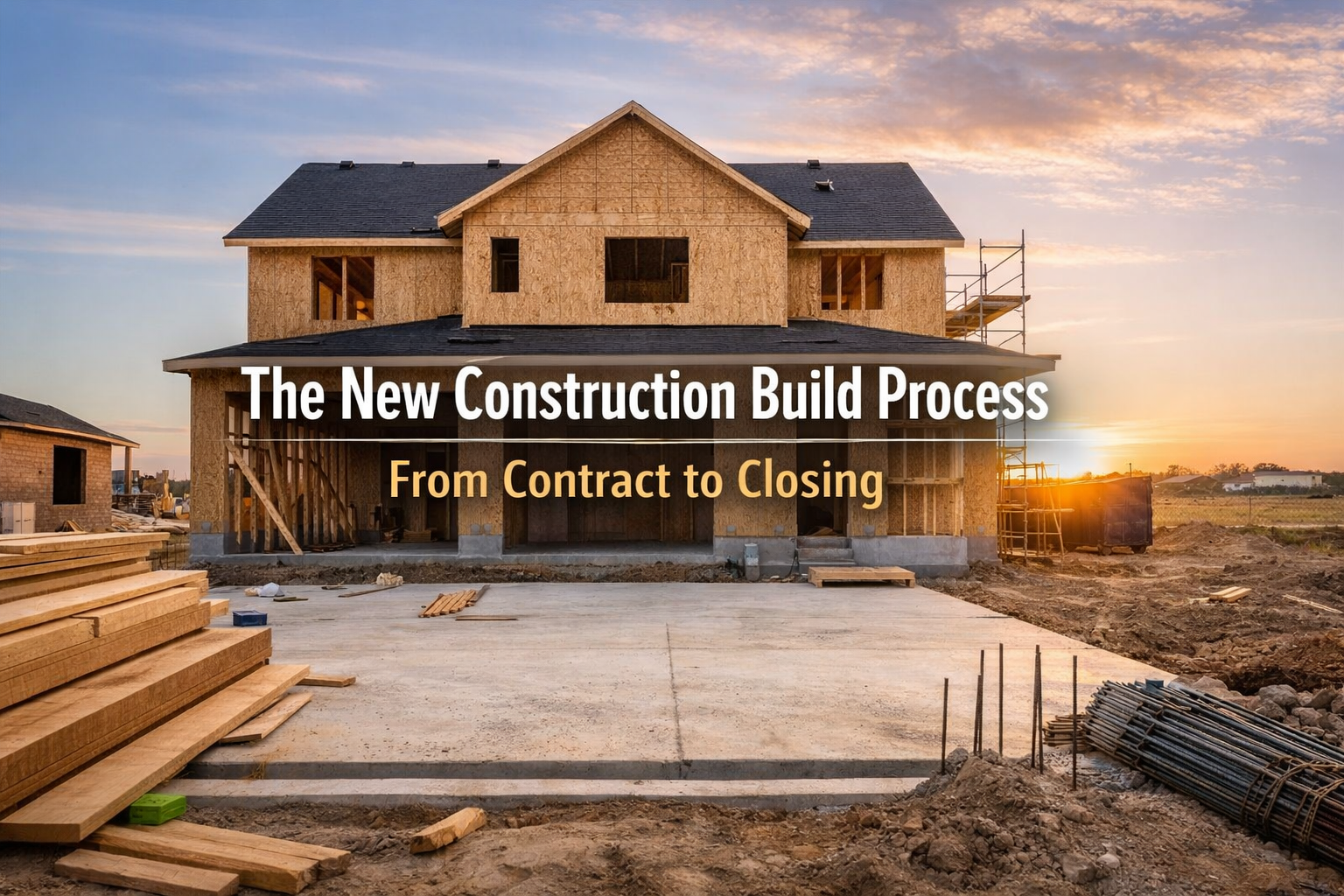
Purchasing a to be built home differs significantly from buying an existing property. Rather than viewing a finished product and closing within weeks, new construction buyers commit to plans and specifications, then wait months while their home takes shape. Understanding what happens during this construction period helps buyers navigate the process with realistic expectations and appropriate involvement.
The build process involves distinct phases, each with specific milestones, decisions, and opportunities for buyer engagement. From initial lot selection through design center appointments, construction stages, inspections, and final walkthrough, buyers who understand the sequence make better decisions and experience less stress along the way.
This guide walks San Antonio buyers through the new construction process, explaining what to expect at each stage and how to protect their interests throughout the build.
What Happens Before Construction Begins?
The period between signing a contract and seeing construction activity involves important steps that establish the foundation for everything that follows.
Lot Selection and Reservation:
Choosing the right lot involves evaluating multiple factors beyond simple location within the community. Lot premiums vary based on size, views, privacy, and positioning. Corner lots, cul de sac lots, and those backing to green spaces typically command higher prices.
Considerations when selecting lots:
- Orientation affects natural light and energy efficiency
- Drainage patterns impact landscaping and foundation performance
- Proximity to amenities, entrances, and future development phases
- Setbacks and building envelope constraints on the specific lot
- Views and privacy relative to neighboring homes and common areas
Contract Execution:
New construction contracts differ substantially from resale purchase agreements. Builder contracts typically favor the builder regarding timelines, changes, and dispute resolution. Having professional representation review contracts before signing protects buyer interests.
Key contract elements include:
- Base price and included features specification
- Lot premium and any site related charges
- Estimated completion timeline and extension provisions
- Earnest money requirements and forfeiture conditions
- Change order policies and associated costs
- Warranty terms and coverage details
Design Center Appointment Scheduling:
Most builders schedule design center appointments shortly after contract execution. These sessions involve selecting finishes, fixtures, upgrades, and options that personalize the home beyond base specifications.
What Happens at the Design Center?
The design center experience significantly impacts both final home characteristics and total purchase price. Preparation and discipline help buyers make satisfying selections without budget overruns.
Understanding the Design Center Process:
Design centers showcase the options available for each home element. Flooring, countertops, cabinets, fixtures, appliances, paint colors, and exterior materials all require selection. The volume of decisions can feel overwhelming without preparation.
Appointments typically last several hours and may span multiple sessions for complex selections. Buyers should arrive having researched preferences and established priorities for where upgrades matter most.
Managing Upgrade Decisions:
Upgrade pricing at design centers often exceeds retail costs for similar items. Builders mark up options to cover installation, coordination, and profit. Buyers should evaluate which upgrades provide genuine value versus those better addressed after closing.
Upgrades generally worth considering at the design center:
- Structural elements that cannot be easily changed later
- Items requiring coordination with construction like electrical and plumbing
- Flooring throughout the home for consistency
- Cabinet and countertop selections in kitchens and bathrooms
- Exterior elevation enhancements affecting curb appeal
Items often better purchased independently after closing:
- Lighting fixtures in easily accessible locations
- Appliances available at competitive retail prices
- Window treatments and blinds
- Landscaping beyond builder minimums
- Smart home devices and technology
Budget Protection Strategies:
Design center visits can rapidly inflate budgets as attractive options accumulate. Setting firm limits before appointments and prioritizing must have features over nice to have additions prevents regret.
Bringing a trusted advisor, whether agent, spouse, or friend, provides accountability and perspective during emotionally charged selection sessions. Someone focused on budget adherence balances enthusiasm for upgrades.
What Are the Major Construction Phases?
Understanding construction sequencing helps buyers recognize progress and identify appropriate times for site visits and inspections.
Site Preparation and Foundation:
Construction begins with lot preparation including clearing, grading, and utility rough ins. Foundation work follows, with the specific approach depending on soil conditions and home design. San Antonio area homes commonly use slab on grade foundations, though pier and beam construction occurs in some situations.
Foundation completion represents a significant early milestone. Buyers should verify foundation surveys and inspections occur as required.
Framing:
The framing phase transforms flat foundations into recognizable home structures. Walls rise, roof trusses install, and the home's footprint becomes tangible. This phase proceeds relatively quickly compared to others, creating visible daily progress.
Framing completion triggers an important inspection opportunity. Pre drywall inspections should occur after framing, electrical, plumbing, and HVAC rough ins complete but before drywall installation covers these systems.
Mechanical Rough Ins:
Electrical wiring, plumbing lines, and HVAC ductwork install during the rough in phase. These systems thread through framed walls before drywall conceals them. Quality and code compliance during this phase significantly impact long term home performance.
Insulation and Drywall:
Insulation installation follows rough in inspections and approvals. Drywall then covers framing, transforming the open structure into defined rooms. This transition dramatically changes how the home feels during visits.
Interior Finishes:
The finish phase brings design center selections to life. Cabinets, countertops, flooring, fixtures, and paint transform drywall boxes into finished spaces. This phase often feels longest to buyers eager to see their selections installed.
Exterior Completion:
Siding, brick, stone, roofing, and other exterior elements complete the home's appearance. Landscaping, driveways, and exterior concrete work typically occur late in the process, sometimes continuing until shortly before closing.
How Long Does the Build Process Take?
Timeline expectations require calibration based on multiple factors that influence construction duration.
Typical Timeline Ranges:
Standard production home construction in San Antonio typically spans six to nine months from contract to closing. Custom homes with unique designs or complex features may require twelve months or longer. Market conditions, labor availability, and weather affect actual durations.
Factors extending timelines:
- Complex floor plans or custom modifications
- Material shortages or supply chain disruptions
- Weather delays, particularly during foundation and framing
- Permit processing delays
- Builder backlog and labor constraints
- Buyer requested changes during construction
Managing Timeline Expectations:
Builders provide estimated completion dates, but contracts typically include provisions allowing extensions without penalty. Understanding that estimates represent targets rather than guarantees reduces frustration when delays occur.
Buyers coordinating sales of current homes, lease expirations, or relocations should build contingency time into their plans. Assuming construction will complete on the earliest possible date creates problems when reality diverges from optimistic projections.
Monitoring Progress:
Regular communication with builder representatives provides timeline updates. Many builders offer online portals showing construction status and milestone completion. Periodic site visits, conducted safely and at appropriate times, allow buyers to observe progress firsthand.
What Inspections Should Buyers Arrange?
Independent inspections protect buyers by identifying issues before closing when correction is most achievable.
Pre Drywall Inspection:
This critical inspection occurs after framing, electrical, plumbing, and HVAC rough ins complete but before drywall covers these systems. Independent inspectors evaluate:
- Framing quality and structural integrity
- Electrical wiring installation and code compliance
- Plumbing line routing and connection quality
- HVAC duct installation and sealing
- Insulation preparation and moisture barriers
- Window and door installation
Issues identified during pre drywall inspection can be corrected before concealment makes repairs difficult or impossible. This inspection provides the most valuable protection opportunity in the new construction process.
Final Inspection:
A comprehensive home inspection before closing evaluates the completed home. Inspectors check all accessible systems and components, identifying defects requiring correction before ownership transfers.
Final inspection findings inform the punch list discussed during builder walkthrough. Items identified by independent inspectors strengthen buyer positions when requesting corrections.
Warranty Period Inspection:
Scheduling inspection before the one year warranty expires identifies issues that developed after closing but remain covered under builder warranty. This inspection catches problems that may not have been apparent initially or that emerged through normal use.
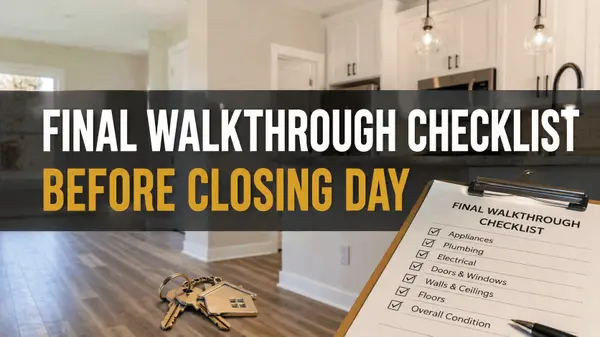
What Happens During the Builder Walkthrough?
The walkthrough represents the buyer's opportunity to evaluate the completed home and identify items requiring attention before closing.
Walkthrough Purpose and Process:
Builder representatives accompany buyers through the completed home, demonstrating features and systems while noting any deficiencies for correction. This orientation covers appliance operation, system locations, maintenance requirements, and warranty claim procedures.
Buyers should approach walkthroughs systematically, evaluating each room and system methodically rather than being rushed through cursory reviews. Bringing inspection reports, checklists, and cameras supports thorough evaluation.
Creating the Punch List:
The punch list documents items requiring correction before closing. Common punch list items include:
- Paint touch ups and finish imperfections
- Cabinet adjustments and hardware alignment
- Flooring transitions and edge finishing
- Fixture operation and installation quality
- Window and door operation
- HVAC performance verification
- Exterior finish completion
Distinguishing between items requiring pre closing correction and those addressable under warranty after closing helps prioritize the punch list appropriately.
Re Walkthrough for Corrections:
Builders typically schedule re walkthrough appointments to verify punch list completion before closing. Buyers should confirm corrections meet acceptable standards rather than assuming work was completed satisfactorily.
What Should Buyers Know About Closing on New Construction?
Closing on new construction shares similarities with resale closings but includes elements unique to builder transactions.
Certificate of Occupancy:
Closings cannot occur until the municipality issues a certificate of occupancy confirming the home meets building codes and is approved for habitation. Delays in final inspections or corrections can postpone closings regardless of buyer readiness.
Final Loan Steps:
Lenders complete final underwriting and order appraisals as construction nears completion. Appraisals on new construction evaluate the finished product against comparable sales. Buyers should avoid financial changes during this period that could affect loan approval.
Closing Documentation:
New construction closings include standard purchase documents plus builder specific materials. Warranty documentation, homeowner association enrollment, and maintenance guides accompany the transaction paperwork.
Key Transfer and Move In:
Upon closing completion, buyers receive keys and can take possession. Unlike resale purchases where previous owners vacate, new construction provides immediate access to homes that have never been occupied.
How Can Buyers Protect Themselves Throughout the Process?
Proactive engagement and professional guidance help buyers navigate new construction successfully.
Maintain Documentation:
Keep copies of all contracts, change orders, design selections, and communications. Photograph construction progress during permitted site visits. Document any concerns in writing to builder representatives.
Communicate Effectively:
Establish clear communication channels with builder representatives. Ask questions when uncertain rather than assuming. Address concerns promptly rather than allowing issues to compound.
Engage Professional Representation:
Working with an experienced REALTOR® throughout the new construction process provides advocacy and expertise. Agents familiar with specific builders understand typical practices and can identify concerns requiring attention.
Understand Warranty Coverage:
Review warranty terms thoroughly before closing. Understand what coverage applies, how to submit claims, and what limitations exist. Register warranty coverage promptly and maintain documentation of any issues.
Expert Insight from Tami Price, REALTOR®
"The build process requires patience and engagement. Buyers who understand what is happening at each stage and stay appropriately involved tend to be happier with their outcomes. I walk my clients through the entire process, from lot selection through design center appointments to final walkthrough, making sure they understand their options and protecting their interests at every step."
Tami Price, REALTOR®, Broker Associate, has represented buyers in hundreds of new construction transactions over nearly two decades, providing guidance through the complexities of building homes throughout San Antonio and surrounding communities.
Three Key Takeaways for San Antonio New Construction Buyers
- The build process follows predictable phases. Understanding the sequence from lot selection through closing helps buyers recognize progress, identify inspection opportunities, and maintain realistic timeline expectations.
- Design center decisions significantly impact outcomes. Preparation, discipline, and strategic prioritization help buyers make satisfying selections without budget overruns.
- Independent inspections protect buyer interests. Pre drywall and final inspections by qualified professionals identify issues requiring correction before closing when leverage is strongest.
Frequently Asked Questions
Q: How often should I visit my home during construction?
A: Monthly visits during active construction provide reasonable progress monitoring without creating coordination burdens for builders. Key milestone visits, particularly before drywall installation and before final walkthrough, are most important. Always coordinate visits with builder representatives and follow safety protocols on construction sites.
Q: What if I want to make changes after signing the contract?
A: Change orders allow modifications after contract execution but typically involve significant costs and potential timeline impacts. Builders charge premiums for changes that disrupt planned construction sequences. Making thorough decisions during initial contract and design center phases minimizes expensive change orders later.
Q: Can I hire my own contractors to do work during construction?
A: Builders generally prohibit outside contractors from working during construction to maintain liability coverage, warranty integrity, and schedule control. After closing, buyers can hire contractors for modifications not affecting warranty coverage. Review warranty terms to understand what work might void coverage.
Q: What happens if construction takes longer than estimated?
A: Builder contracts typically include extension provisions allowing additional time without penalty. Buyers facing hardship from delays may have limited contractual recourse. Building contingency time into related plans, like lease extensions or sale coordination, provides protection against timeline slippage.
Q: Should I get a pre drywall inspection even on a new home?
A: Yes. Pre drywall inspection provides the most valuable protection opportunity in new construction purchases. Issues with framing, electrical, plumbing, and HVAC are far easier and less expensive to correct before drywall installation conceals these systems. The relatively small inspection cost provides significant protection.
Q: What if I disagree with the builder about punch list items?
A: Professional representation helps navigate disagreements about what requires correction. Having independent inspection documentation supports buyer positions. Most disputes resolve through negotiation, but understanding contract provisions regarding dispute resolution protects buyer interests if agreement proves difficult.
The Bottom Line
Building a new home in San Antonio involves a journey of several months with distinct phases requiring buyer attention and engagement. Understanding what happens at each stage, from lot selection through design center appointments to construction phases and final walkthrough, helps buyers navigate the process successfully.
Preparation, realistic expectations, and professional guidance contribute to positive outcomes. Buyers who invest time understanding the process, making thoughtful decisions during design selection, and conducting appropriate inspections protect their interests and typically report greater satisfaction with their completed homes.
For those considering new construction in San Antonio, understanding the build process transforms an unfamiliar journey into a manageable and even enjoyable experience.

Contact Tami Price, REALTOR®
Tami Price, REALTOR®, Broker Associate, and USAF Veteran, guides buyers through new construction purchases from initial builder selection through closing and beyond. With approximately 1,000 closed transactions over nearly two decades and recognition as a San Antonio Business Journal Top 50 Residential Real Estate Agent, Tami provides expert representation throughout the build process.
From contract review through design center support to walkthrough advocacy, Tami helps buyers navigate new construction confidently.
Tami Price, REALTOR®, Broker Associate
📞 210 620 6681
Tami Price's Specialties
- New construction buyer representation
- Build process guidance and design center support
- First time buyers building new homes
- Move up buyers seeking custom features
- Military relocation new construction purchases
- Builder contract review and negotiation
Disclaimer
This blog provides general educational information about the new construction build process in San Antonio and does not constitute legal, financial, or professional advice. Builder practices, timelines, and processes vary significantly. Individual circumstances require professional evaluation. Readers should consult with qualified professionals including licensed real estate agents, home inspectors, and lenders regarding their specific situations. Tami Price, REALTOR®, is licensed in the State of Texas.
Categories
- All Blogs (940)
- Home Buying (19)
- Neighborhood Guides (44)
- 10 Incentive and Rate Buydown Questions (1)
- 10 Military Neighborhood (1)
- 10 Mistakes Sellers Make (1)
- 10 Strategies to Coordinate a Same Day Close (1)
- 12 Lifestyle Questions to Move In (1)
- 12 PCS What Ifs (1)
- 12 Photos and Marketing Assets (1)
- 13 PCS Hunting Trip Tips (1)
- 14 Design Center Decisions (1)
- 15 Red Flags Touring Home in San Antonio (1)
- 2026 Market (1)
- 30 days after closing your home (1)
- 7 Offer Terms Beyond Price (1)
- 7 VA Specific Questions (1)
- 78015 Ranked One (1)
- 8 Bridge (1)
- 8 Myths Buyers Believe about Down Payments (1)
- 8 Reasons VA Buyers Love New Construction (1)
- 9 Mistakes Move Up Buyers Make (1)
- 9 Questions to Decide If You Keep Your PCS Home (1)
- 9 Timeline Questions Every Buyer Need to Ask (1)
- 9 Warranty Questions to Ask (1)
- 9 Ways to Attract VA & Military Buyers (1)
- 90 days before your move (1)
- About Tami Price (6)
- Active Adult Homes (1)
- Affordable Communities (2)
- Affordable Housing & Community Development (5)
- Agent Qualifications and Credentials (1)
- Agent Qualifications and Experience (1)
- Agent Recognition (3)
- Agent Selection (1)
- AI and Real Estate Tools (1)
- Alamo Heights (5)
- Alamo Heights ISD (1)
- Alamo Heights Real Estate (1)
- Alamo Ranch (3)
- Amenities in Helotes, Texas (3)
- Apartment Market (1)
- Appraisals (1)
- Arts and Culture (1)
- Awards and Recognition (7)
- Balcones Creek (1)
- Best Neighborhoods to Live in Cibolo, TX (3)
- Best Neighborhoods to Live in San Antonio (16)
- Best Places to Live in Leon Valley: A Neighborhood Guide (1)
- Best Places to Live in Northeast Inner Loop: A Neighborhood Guide (1)
- Bexar County Property Tax (1)
- Bexar County Real Estate (3)
- Blue Tape Walkthrough (1)
- Boerne Home Sellers (1)
- Boerne Neighborhoods (2)
- Boerne Texas (9)
- Broadway Corridor Development (1)
- Build-to-Rent Communities (1)
- Builder Contracts & Warranties (3)
- Builder Incentives (1)
- Builder Warranties (1)
- Buyer (97)
- Buyer Activity San Antonio (1)
- Buyer and Seller Guidance (4)
- Buyer Due Diligence (1)
- Buyer Education (46)
- Buyer Guide (9)
- Buyer Guides (7)
- Buyer Protection Strategies (1)
- Buyer Representation (1)
- Buyer Representation Expertise (1)
- Buyer Resources (89)
- Buyer Strategy (2)
- Buyers (13)
- Buyers Agent (1)
- Buying a Foreclosed Home in San Antonio (10)
- Buying a Home (3)
- Buying a Home in San Antonio (6)
- Buying Near JBSA (1)
- Buying Timeline (1)
- Buying vs Renting (1)
- Castroville, TX (8)
- Central San Antonio (1)
- Central San Antonio Development (2)
- Central Texas Growth (1)
- Choosing a Real Estate Agent (1)
- Choosing an Agent (1)
- Cibolo Communities (1)
- Cibolo Home Sellers (1)
- Cibolo TX (15)
- Client Reviews and Testimonials (1)
- Client Satisfaction (1)
- Client Stories (1)
- Client Testimonial (4)
- Clients review (4)
- Closing (1)
- Cobblestone (1)
- Comal County (1)
- Commercial & Retail Development (27)
- Commercial Development (13)
- Commercial Development Impact on Home Values (1)
- Commercial Real Estate (1)
- Community (1)
- Community Amenities (2)
- Community Development (23)
- Community Development and Real Estate (3)
- Community Events & Development (1)
- Community Infrastructure (1)
- Community Investment Impact (2)
- Community Landmarks (1)
- Community News (4)
- Community Planning (2)
- Community Revitalization (1)
- Community Spotlights (1)
- Commuter Neighborhoods (1)
- Cons of Living in Helotes, TX (4)
- Conservation Communities (1)
- Contingency Questions (1)
- Converse Home Sellers (1)
- Converse Homes For Sale (3)
- Converse Real Estate (1)
- Converse TX (10)
- Converse TX Real Estate (1)
- Cost of Living Guides (1)
- Cost of Living in San Antonio TX (25)
- CPS Energy Programs (1)
- Custom Homes (5)
- Davis Ranch (1)
- Days on Market (1)
- Deco District San Antonio (1)
- Denver Heights (1)
- Down Payment Assistance (1)
- Downtown Boerne (1)
- Downtown Development (3)
- Downtown Living (1)
- Downtown Revitalization (14)
- Downtown San Antonio (2)
- Downtown San Antonio Real Estate (5)
- Downtown San Antonio Revitalization (1)
- Dual Military (1)
- East Side Living (1)
- East Side Neighborhoods (1)
- East Side San Antonio (4)
- Economic Development (3)
- Economic Growth & Industry (1)
- Education, Texas Hill Country (1)
- Emerald Pointe (1)
- Employment (1)
- Employment Corridors (1)
- Encino Forest (1)
- Entertainment Economy (1)
- Equity and Pricing Strategy (2)
- Equity Q&A (1)
- Established Communities (3)
- Events in San Antonio (207)
- Expert Advice from Tami Price, Realtor® (10)
- Fair Oak Ranch (1)
- Family Activities (2)
- Family Homes (3)
- Family Living in San Antonio (1)
- FAQ (1)
- Far Northwest San Antonio (1)
- Far West San Antonio (1)
- Far Westside Real Estate (4)
- Fastest Growing Zip Codes in America (1)
- Featured Homes for Sale (2)
- Featured Properties (1)
- Final Walkthrough (1)
- Financial Planning (11)
- Financing Strategy (1)
- First Time Buyers (23)
- First Time Sellers (1)
- First-Time Buyers (6)
- First-Time Homebuyer Resources (4)
- First-Time Homebuyer Tips (2)
- First-Time Homebuyers (6)
- First-Time Investors (1)
- Fort Sam Houston (3)
- Fort Sam Houston Real Estate (1)
- Fort Sam Houston, TX (2)
- Fox Grove (1)
- FSBO vs Agent Representation (1)
- Future Rental (1)
- Gated Communities (5)
- Golf Communities (1)
- Great Northwest (1)
- Greater San Antonio Housing Trends (2)
- Greater San Antonio Real Estate (5)
- Green Home Upgrades (1)
- Growth and Development (11)
- Healthcare (1)
- HELOC (1)
- Helotes Home Sellers (1)
- Highway 151 Corridor Growth (1)
- Hill Country Business (1)
- Hill Country Communities (2)
- Hill Country Development (3)
- Hill Country Homes for Sale (1)
- Hill Country Living (3)
- Hill Country Market Updates (1)
- Hill Country Real Estate (4)
- Hill Country Retreat (1)
- Historic Districts (5)
- Historic Neighborhoods (4)
- Historic Preservation (2)
- Holiday Attractions (1)
- Holiday Guide (1)
- Home Buying (7)
- Home Buying Education (3)
- Home Buying Guide (7)
- Home Buying Process (8)
- Home Buying Strategy (2)
- Home Buying Tips (6)
- Home Energy Efficiency San Antonio (5)
- Home Financing (2)
- Home Improvement ROI (1)
- Home Inspections (3)
- Home Preparation (2)
- Home Pricing Strategy (14)
- Home Renovation for Resale (1)
- Home Selling (12)
- Home Selling Guide (11)
- Home Selling Strategies (3)
- Home Selling Strategy (3)
- Home Selling Tips (22)
- Home Staging and Updates (2)
- Home Values (2)
- Homebuyer Education (15)
- Homebuyer Resources (1)
- Homebuying Guide (1)
- Homebuying Tips (3)
- Homeowner (37)
- Homeowner Tax Benefits (1)
- Homeownership Costs (1)
- Homes for Sale (2)
- Homes for sale near Lackland AFB (4)
- Homes Near Military Bases (1)
- Homestead amenities (1)
- Horizon Pointe (1)
- House Hunting Guide (1)
- Housing (1)
- Housing Community Development (1)
- Housing Development (2)
- Housing Market Updates (3)
- How to Buy a House in San Antonio TX (48)
- Huebner Oaks shopping center (1)
- Hunters Ranch (1)
- Hybrid (1)
- I-10 Corridor (1)
- I-35 Corridor (1)
- In Person (1)
- Incorporated Cities (6)
- Industrial Investment Impact (1)
- Industry News (2)
- Industry Recognition (1)
- Infrastructure & Growth Projects (26)
- Infrastructure and Sustainability (1)
- Infrastructure Development (1)
- Infrastructure Investment (1)
- Infrastructure Updates (2)
- Interest Rates (2)
- Invest in San Antonio (46)
- Investment Opportunities (3)
- Investment Property San Antonio (4)
- JBSA (9)
- JBSA Housing (11)
- JBSA Real Estate (4)
- JBSA Resources (7)
- Joint Base San Antonio (5)
- Joint Base San Antonio Housing (1)
- Judson ISD (2)
- Kendall County (1)
- La Cantera Retail Development (1)
- Lackland AFB (7)
- Lackland AFB Housing (1)
- Land Conservation (1)
- Land Use Planning (1)
- Lera MLS (15)
- Lifestyle & Community Growth (18)
- Lifestyle & Local Growth (12)
- Lifestyle Amenities (1)
- Lifestyle Communities (1)
- Listing Preparation (1)
- Listing Strategy (1)
- Live Oak (1)
- Living in San Antonio, TX (52)
- Living Near Randolph AFB (7)
- Loan Programs (1)
- Local Attractions (3)
- Local Business (1)
- Local Business & Development (9)
- Local Business & Economy (3)
- Local Business Spotlight (20)
- Local Business Support (5)
- Local Development (4)
- Local Development News (9)
- Local Market Insights (5)
- Local News (2)
- Local News Around San Antonio (2)
- Local Policy Changes (1)
- Local Real Estate News (1)
- Loop 1604 Corridor Growth (2)
- Loop 410 Corridor Development (1)
- Luxury Communities (3)
- Luxury Homes (2)
- Luxury Real Estate (1)
- Luxury Retail San Antonio (1)
- MacArthur Park (1)
- Major Developments (2)
- Making Offers on Homes (1)
- Market Analysis (26)
- Market Conditions (47)
- Market Expertise (1)
- Market Insights (5)
- Market Strategy (1)
- Market Timing (2)
- Market Trends (10)
- Market Trends & Insights (2)
- Market Update (17)
- Market Update 2026 (1)
- Market Updates (22)
- Master Planned Communities (12)
- Medical Center Area Real Estate (1)
- Medina Valley ISD (2)
- Midtown Living (1)
- Military & Economic Impact (3)
- Military Buyers (3)
- Military Communities (1)
- Military Families (1)
- Military Family Resources (1)
- Military Heritage (1)
- Military Homebuying (3)
- Military Homeownership (1)
- Military Housing (3)
- Military Housing Market in Texas (16)
- Military Life in San Antonio (2)
- Military Neighborhoods (1)
- Military PCS Relocations (3)
- Military Real Estate (2)
- Military Relocation (100)
- Military Relocation & VA Loans (10)
- Military Relocation San Antonio (4)
- Military Relocation Services (3)
- Military Relocation to San Antonio (50)
- Military Relocations (20)
- Military Relocations & VA Home Loans (5)
- Mixed-Income Housing (1)
- MLS Accuracy & Data Transparency (1)
- Mortgage Programs (1)
- Mothers Day in San Antonio (1)
- Move to Boerne TX (18)
- Move to Castroville TX (11)
- Move to Converse TX (16)
- Move to New Braunfels (1)
- Move to North San Antonio (19)
- Move to San Antonio TX (73)
- Move to Selma TX (19)
- Move to Shertz TX (13)
- Move to Texas (53)
- Move Up Buyer Resources (1)
- Move Up Buyers (23)
- Move-In Ready Homes (3)
- Move-In Ready Homes San Antonio (2)
- Move-Up Buyers (2)
- Moving to Helotes, TX (17)
- Moving to San Antonio (69)
- MUD Taxes (1)
- Natalia Homes For Sale (1)
- Near East Side Living (1)
- Negotiation Strategy (2)
- Neighborhood Amenities (1)
- Neighborhood Development (1)
- Neighborhood Guides (7)
- Neighborhood Investment (1)
- Neighborhood News (2)
- Neighborhood Revitalization (2)
- Neighborhood Spotlights (12)
- Neighborhood Updates (1)
- Neighborhoods near Randolph AFB (12)
- New Braunfels (6)
- New Braunfels Homes For Sale (1)
- New Braunfels News (3)
- New Braunfels Real Estate (3)
- New Businesses (2)
- New Construction (63)
- New Construction Communities (1)
- New Construction Homes (13)
- New Construction Homes San Antonio (5)
- New Construction vs Resale (2)
- New Construction Without Customization (1)
- New Construction Without the Wait (1)
- New Contruction Cost (1)
- New Development (3)
- New Listing (19)
- New Restaurants (3)
- News (211)
- News & updates (213)
- No HOA Homes (1)
- North Central San Antonio (5)
- North East ISD (4)
- North San Antonio (9)
- North San Antonio Real Estate (3)
- North Side Neighborhoods (1)
- North Side San Antonio Development (2)
- Northeast Inner Loop (1)
- Northeast Inner Loop Neighborhoods (1)
- Northeast San Antonio (3)
- Northside ISD (5)
- Northwest San Antonio (9)
- Northwest San Antonio Development (1)
- Northwest San Antonio Growth (1)
- Northwest San Antonio Real Estate (3)
- Northwood (1)
- Olympia Hills (1)
- One-Story Homes (1)
- Outdoor Living (1)
- Parks and Recreation (2)
- PCS and JBSA (2)
- PCS checklist (1)
- PCS Guide (4)
- PCS Moves (12)
- PCS Moves to Joint Base San Antonio (4)
- PCS Planning (16)
- PCS Randolph AFB (17)
- PCS Relocation (1)
- PCS Resources (6)
- PCS San Antonio (46)
- PCS to San Antonio (42)
- Pearl District Area Real Estate (2)
- PID Assessments (1)
- Pinon Creek (1)
- Pipe Creek (1)
- Places to Eat Near Randolph AFB (1)
- Pool Homes (1)
- Pre Approval (1)
- Pre-Listing Preparation (2)
- Pre-Listing Process (1)
- Prescott Oaks (1)
- Pricing and Marketing Strategy (3)
- Professional Awards and Achievements (2)
- Professional Real Estate Representation (1)
- Property Tax Exemptions Texas (1)
- Property Value Enhancement (1)
- pros and cons living in Converse TX (3)
- Pros and Cons Living in Selma TX (6)
- Pros and Cons of Living in Castroville, TX (4)
- Pros and Cons of Living in San Antonio (33)
- PT500 List (1)
- Purchase Negotiation (1)
- Quality of Life (1)
- Quick Close Real Estate (1)
- Randolph AFB Neighborhoods (2)
- Real Estate (1)
- Real Estate Advice (1)
- Real Estate Agent Recognition (6)
- Real Estate Agent Selection (2)
- Real Estate Agent Value (1)
- Real Estate Consultation (1)
- Real Estate Finance (1)
- Real Estate Financing (1)
- Real Estate Impact (1)
- Real Estate Investment San Antonio (2)
- Real Estate Legal Issues (1)
- Real Estate Market Insights (2)
- Real Estate Market Trends (5)
- Real Estate Professional Designations (1)
- Real Estate Strategy (1)
- Real Estate Technology & Trends (2)
- Real Estate Tips (1)
- Real Estate Tips and Guides (2)
- Real Estate Trends (4)
- RealTrends Verified (1)
- Regional Development (1)
- Regional Real Estate (2)
- Relocating to San Antonio (2)
- Relocation (4)
- Relocation Resources (2)
- Relocation to San Antonio (55)
- Remote Homebuying (1)
- Rental Housing (1)
- Rental Property (1)
- Rental Strategy (1)
- Resale Properties (1)
- Retail Development (2)
- Retire in Boerne TX (11)
- Retire in San Antonio (37)
- Retirement Communities (1)
- Reviews and Recognition (1)
- Rockwall Ranch (1)
- Rural Living (2)
- SABOR (28)
- San Antonio Area Listings (1)
- San Antonio Business Growth (1)
- San Antonio Buyer Resources (2)
- San Antonio Communities (3)
- San Antonio Community Events (1)
- San Antonio Community News (1)
- San Antonio Data Center Development (1)
- San Antonio Development (5)
- San Antonio Development & East Side Real Estate (1)
- San Antonio Dining and Lifestyle (3)
- San Antonio East Side Development (1)
- San Antonio Employment Growth (1)
- San Antonio Food & Community Development (2)
- San Antonio Growth (8)
- San Antonio Home Buying and Selling (2)
- San Antonio Home Buying Guide (5)
- San Antonio Home Improvement (2)
- San antonio home prices (3)
- San Antonio Home Sellers (3)
- San Antonio Homeowner Guide (1)
- San Antonio Homeowner Resources (1)
- San Antonio Homes for Sale (12)
- San Antonio Housing Market (2)
- San Antonio Housing Market & Mortgage Financing (2)
- San Antonio Housing Market Analysis (2)
- San Antonio Housing Trends & Market Analysis (4)
- San Antonio Industrial Development (1)
- San Antonio Industrial Policy (1)
- San Antonio Investment Properties (2)
- San Antonio Job Market (1)
- San Antonio Lifestyle Amenities (1)
- San Antonio Listing (1)
- San Antonio Living (1)
- San Antonio Market (3)
- San Antonio Market Updates (18)
- San Antonio Military Relocation (3)
- San Antonio Neighborhoods (67)
- San Antonio New Construction & Master-Planned Communities (4)
- San Antonio New Home Communities (1)
- San Antonio News (229)
- San Antonio North Side Development (1)
- San Antonio Parks (1)
- San Antonio Property Investment (1)
- San Antonio Property Taxes (2)
- San Antonio Real Estate (162)
- San Antonio Real Estate Agents (6)
- San Antonio Real Estate Excellence (1)
- San Antonio Real Estate Guide (6)
- San Antonio Real Estate Market (41)
- San Antonio Real Estate Market Analysis (6)
- San Antonio Real Estate News (2)
- San Antonio REALTOR Awards (1)
- San Antonio Restaurant News (2)
- San Antonio Restaurant Openings (1)
- San Antonio Seller Resources (2)
- San Antonio Sellers (1)
- San Antonio Spec Homes (1)
- San Antonio Spurs Community Programs (1)
- San Antonio Suburbs (1)
- San Antonio Transportation (2)
- San Antonio University Area Housing (1)
- San Antonio Urban Living (7)
- San Antonio West Side Development (2)
- San Antonio Zoning Policy (1)
- Scenic Loop (1)
- Schertz Home Sellers (1)
- Schertz Real Estate (1)
- Schertz, TX (13)
- School Districts (1)
- School Information (1)
- SCUCISD Schools (1)
- Secured Quick Offer (1)
- Sell Home In San Antonio TX (64)
- Seller (83)
- Seller Education (24)
- Seller Guide (4)
- Seller Guides (1)
- Seller Representation Expertise (1)
- Seller Resources (67)
- Seller Should Understand (1)
- Seller Strategy (3)
- Seller Tips (2)
- Sellers (10)
- Selling A Home in San Antonio (62)
- Selling Your San Antonio Home (3)
- Selma TX (9)
- Single-Story Homes (4)
- Smart Homes (1)
- Solar Homes (3)
- South San Antonio Real Estate (1)
- South Side Economic Growth (1)
- South Side San Antonio (1)
- Southtown (2)
- Southwest San Antonio Real Estate (1)
- Spec Homes and Inventory Homes (2)
- Spurs Arena Project Marvel (1)
- Stone Oak (2)
- Stone Oak Community News (5)
- Suburban Housing Growth (12)
- Suburban Living (2)
- Talise De Culebra (1)
- Technology Growth (3)
- Technology Sector Growth (1)
- Terrell Hills (3)
- Texas Acreage Properties (3)
- Texas Homestead Exemption (1)
- The Dominion Real Estate (1)
- The Rim Area Real Estate (1)
- Things to do in San Antonio TX (21)
- Things to do Near Randolph AFB (4)
- Time Planning (1)
- Time-Sensitive Home Buying (1)
- Timing Strategy (1)
- Tips for Buying New Construction (9)
- Tobin Hill Neighborhoods (2)
- Top Real Estate Agent in San Antonio (3)
- Tourism and Economic Development (1)
- Traders's Joe San Antonio (1)
- Transaction Coordination (1)
- Transportation Infrastructure (1)
- Two-Story Homes (2)
- Universal City (1)
- Updated Homes (2)
- Upscale Communities (1)
- Urban Communities (2)
- Urban Corridor Real Estate (1)
- Urban Development (5)
- Urban Living (3)
- Urban Neighborhoods (4)
- Urban Real Estate (1)
- Urban Renewal Projects (1)
- Urban Revitalization San Antonio (1)
- Utility Cost Reduction (1)
- UTSA Campus Development (1)
- VA Buyers (1)
- VA Home Loan Benefits (3)
- VA Loan Assumptions (3)
- VA loan benefits (27)
- VA Loan Guidance (1)
- VA Loan Home Buying Assistance (2)
- VA Loans (71)
- VA Loans and Military Benefits (3)
- VA Loans and Military Home Buying (3)
- VA Loans San Antonio (43)
- VET Benefits Living in San Antonio (3)
- Veterans Resources (3)
- Village Northwest (1)
- Virtual Buyers (1)
- Walkable Communities (1)
- week in sales (40)
- Weekly Sales Report (41)
- West San Antonio (2)
- West San Antonio Development (1)
- West San Antonio Real Estate (3)
- West San Antonio Real Estate Market (2)
- West Side Infrastructure Planning (1)
- West Side Real Estate (1)
- West Side San Antonio (2)
- Windcrest Homes for Sale (1)
Recent Posts