Urban Infill Development Signals Pearl District Corridor Momentum
What Does Urban Infill Development Signal for Central San Antonio Homeowners?
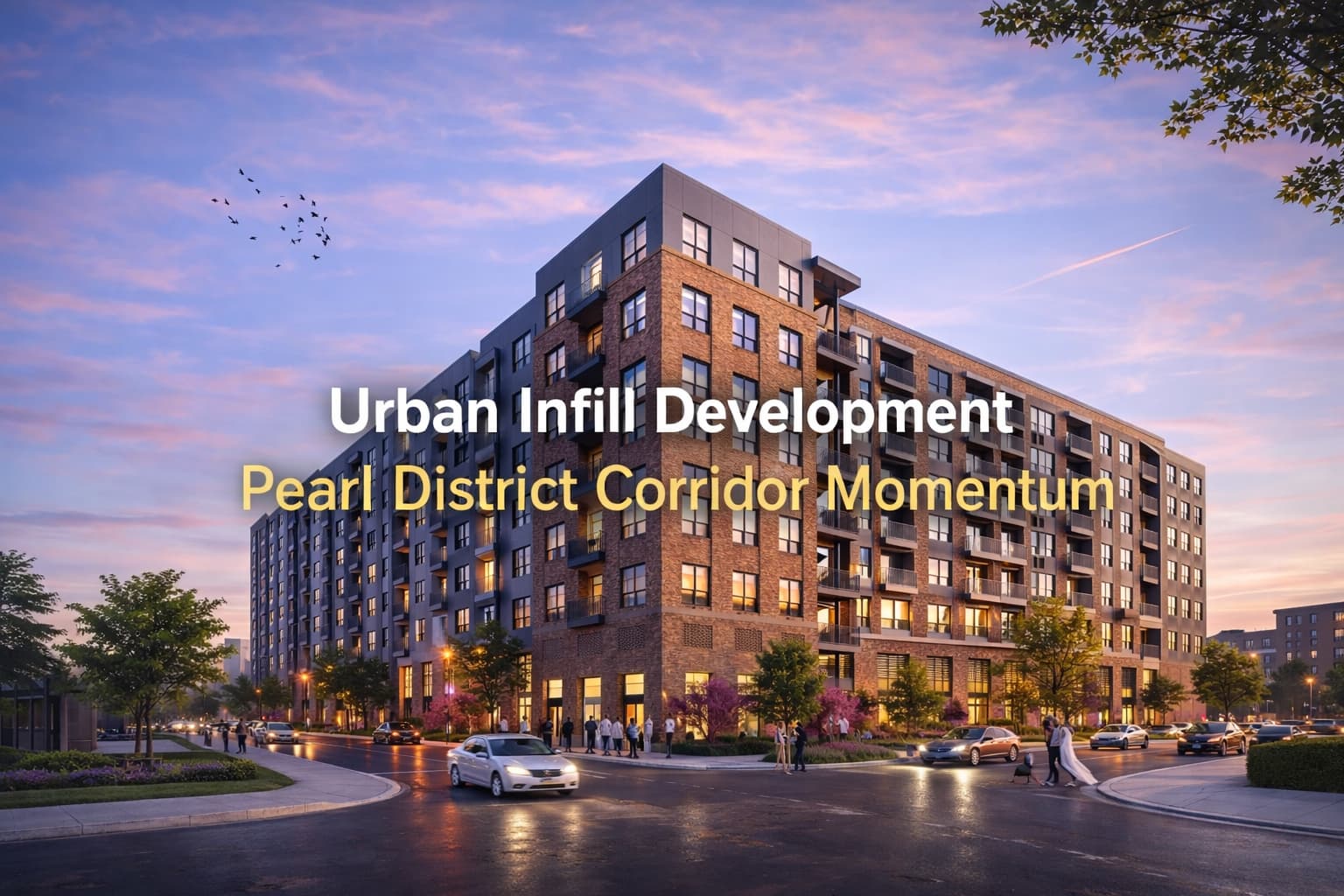
When developers significantly expand projects in urban corridors, their investment decisions reflect market assessment that both buyers and sellers can factor into housing decisions. A major mixed-use apartment development near the Pearl District has more than doubled from original plans, now bringing over 300 units plus retail and public plaza space to the Tobin Hill area. For those evaluating homes for sale in San Antonio in urban corridors or considering selling a home in San Antonio near walkable districts, understanding what expanded development signals about corridor dynamics provides valuable context.
According to Tami Price, REALTOR®, developers expanding project scope mid-planning indicates strengthened confidence in area demand that affects both buyer interest and seller positioning in urban neighborhoods.
The decision to more than double unit count reflects developer assessment that market demand justifies significantly larger investment. This expanded commitment signals conclusions about the corridor's absorption capacity, demographic appeal, and long-term viability. For buyers, this provides external validation of area strength. For sellers, it offers evidence of continued momentum supporting marketing narratives.
Key implications for central San Antonio homeowners:
- Expanded development indicating demand confidence
- Urban density investment validating corridor appeal
- Walkability infrastructure supporting property markets
- Buyer interest in amenity-rich urban locations
- Seller positioning strengthened by development momentum
Q: How does expanded development scope affect both buyers and sellers in surrounding areas?
A: For buyers, developers choosing to significantly increase investment mid-project signals strengthened confidence in area demand, validating neighborhood evaluation. For sellers, expanded development scope supports marketing narratives about corridor momentum and can attract buyers seeking urban amenity access. Both benefit from understanding what increased capital commitment reveals about market assessment.
How Does Urban Infill Development Relate to Residential Market Dynamics?
Understanding the relationship between infill development and residential markets helps both buyers and sellers appreciate why urban density investment matters for housing decisions. The connections affect neighborhood evaluation and property positioning in ways worth considering.
Infill development builds within existing urban infrastructure rather than requiring new roads, utilities, and services on metropolitan edges. This approach concentrates investment in established corridors where infrastructure already exists. For surrounding property owners, infill development often brings amenities and activity without the infrastructure strain that peripheral development can create.
Rental development in ownership-dominated neighborhoods creates market dynamics worth understanding. New rental inventory can attract residents who later transition to purchasing in the area after experiencing the neighborhood. This rental-to-purchase pipeline can support ownership demand in surrounding blocks as renters establish area familiarity.
Infill and residential market connections:
- Development within existing infrastructure
- Concentrated investment in established corridors
- Amenities added without infrastructure strain
- Rental inventory creating purchase pipeline
- Area familiarity supporting ownership demand
- Market dynamics from density investment
Q: Does rental development help or hurt surrounding ownership properties?
A: Rental development affects surrounding ownership markets through multiple dynamics. Quality rental construction can enhance neighborhood perception and bring residents who later purchase nearby. However, significant rental concentration can shift neighborhood character. The relationship depends on development quality, neighborhood composition, and market conditions. Consider rental development as one factor affecting area dynamics rather than uniformly positive or negative.
What Does the Pearl and Tobin Hill Corridor Offer Buyers and Sellers?
Understanding the Pearl and Tobin Hill area's broader characteristics helps buyers evaluate the corridor and helps current owners appreciate their market position. The area offers specific attributes distinguishing it from suburban San Antonio options.
The Pearl District has developed into a concentrated amenity hub with dining, entertainment, markets, and cultural programming that attracts both residents and visitors. This amenity concentration creates walkable access to experiences that suburban locations cannot replicate. Adjacent Tobin Hill offers diverse housing stock including vintage homes, small apartment buildings, and newer townhomes within proximity to Pearl amenities.
The corridor's urban character appeals to specific buyer profiles while creating marketing differentiation for sellers. Properties compete on location uniqueness and amenity access rather than lot size or square footage comparisons typical in suburban markets.
Pearl and Tobin Hill characteristics:
- Concentrated amenity hub with dining and entertainment
- Walkable access to cultural programming
- Diverse housing stock in Tobin Hill
- Vintage homes alongside newer construction
- Urban character distinct from suburban options
- Location uniqueness as competitive factor
Q: How do Pearl-adjacent neighborhoods compare to other central San Antonio options?
A: The Pearl corridor offers more concentrated commercial amenity development than many central neighborhoods, creating higher walkability to dining and entertainment. This concentration commands premium positioning but also involves urban density and activity levels that differ from quieter central neighborhoods. Buyers should evaluate whether Pearl-adjacent energy matches their lifestyle preferences.
How Should Buyers Evaluate Urban Corridors Like Pearl and Tobin Hill?
Those exploring homes for sale in San Antonio in urban areas benefit from understanding how to evaluate walkable corridors. Systematic comparison helps identify whether urban density matches individual priorities.
Urban corridors require different evaluation approaches than suburban options. Lot sizes, parking situations, noise levels, and neighborhood density differ significantly from suburban development patterns. Buyers should assess whether these characteristics align with their preferences rather than expecting urban properties to offer suburban-style attributes.
Evaluate how often you would actually use walkable amenities when assessing their value for your household. Households who frequently visit restaurants, markets, and entertainment gain substantial benefit from proximity. Those preferring home-centered lifestyles may find premium pricing for walkability less justified for their circumstances.
Buyer evaluation for urban corridors:
- Different characteristics than suburban options
- Lot sizes and density expectations
- Parking and noise considerations
- Actual amenity usage likelihood
- Lifestyle alignment with urban living
- Premium pricing justified by usage patterns
Q: What buyer profiles typically prefer Pearl-adjacent locations?
A: Buyers prioritizing walkable amenity access, urban energy, and lifestyle convenience often prefer Pearl-adjacent locations. Young professionals, empty nesters seeking activity, and households valuing dining and entertainment proximity find the corridor compelling. Those prioritizing quiet, space, and suburban characteristics typically find better fit elsewhere despite the area's appeal.
How Should Sellers in Urban Corridors Position Properties?
For sellers in Tobin Hill and similar urban neighborhoods, understanding how to leverage location advantages helps optimize marketing positioning. Proximity to developing districts provides differentiation that strategic marketing can emphasize.
Sellers can reference ongoing development momentum as evidence of corridor investment without making specific value claims. Expanded development scope demonstrates market confidence that supports narratives about area trajectory. Marketing addressing continued investment resonates with buyers seeking urban locations with growth momentum.
Target buyer profiles who specifically value walkability and urban amenity access. Not all buyers prioritize these characteristics, but those who do often pay premiums for locations offering what they seek. Identifying and targeting appropriate buyer profiles maximizes marketing effectiveness.
Seller positioning strategies:
- Reference development momentum demonstrating confidence
- Highlight walkability unique to urban locations
- Target buyers valuing urban amenity access
- Emphasize location differentiation from suburbs
- Avoid specific value claims tied to development
- Professional representation optimizing positioning
Q: How can urban corridor sellers differentiate from suburban competition?
A: Emphasize what urban locations offer that suburban properties cannot match: walkable amenity access, neighborhood energy, and lifestyle convenience without vehicle dependence. Rather than competing on lot size or square footage where suburban properties have advantages, highlight the distinct value proposition of urban living. Target buyers specifically seeking these characteristics rather than attempting to appeal to suburban-focused audiences.
What Does Development Expansion Specifically Signal About Market Confidence?
Understanding why developers expand project scope helps homeowners appreciate what these decisions signal about areas. Mid-project expansion reflects strengthened market assessment worth considering.
Developers expanding from 144 to over 300 units conclude that demand justifies significantly larger investment. This more-than-doubling indicates assessment that the market can absorb substantially more inventory than originally projected. Such expansion reflects confidence in corridor depth and sustained demand.
The addition of retail space and public plaza alongside residential units signals assessment that the area warrants comprehensive mixed-use investment. Developers include these components when they conclude the location supports diverse uses and benefits from pedestrian connectivity. This comprehensive approach indicates confidence beyond just residential demand.
Development expansion signals:
- Demand assessment justifying larger investment
- Market absorption confidence from expansion
- Corridor depth supporting inventory increase
- Mixed-use components indicating comprehensive confidence
- Pedestrian connectivity investment
- Beyond residential demand assessment
Q: How should homeowners interpret development expansion for housing decisions?
A: Development expansion provides external validation that sophisticated developers assess the corridor with increased confidence. Sellers can leverage this momentum in marketing narratives. Buyers can factor professional market assessment into area evaluation. Neither should treat development decisions as primary housing decision drivers, but both benefit from understanding what expanded investment reveals about market dynamics.
How Does Walkability Affect Property Market Dynamics?
Understanding how walkability contributes to property markets helps both buyers evaluate locations and sellers position properties effectively. The Pearl corridor's walkable character creates specific market dynamics.
Walkable neighborhoods often attract buyer profiles willing to pay premiums for pedestrian access to amenities. This premium reflects genuine lifestyle value for households who use walkable features regularly. Properties in walkable areas compete on location convenience that car-dependent locations cannot offer.
For sellers, walkability provides marketing differentiation that property features alone cannot create. A home's walkability score reflects location rather than improvements, meaning sellers in walkable areas possess inherent advantages over comparable properties in car-dependent locations.
Walkability and property dynamics:
- Premium pricing from convenience value
- Buyer profiles willing to pay for walkability
- Location-based differentiation for sellers
- Inherent advantage over car-dependent areas
- Lifestyle value for regular users
- Competition on access rather than features
Q: Does walkability justify premium pricing for all buyers?
A: Walkability value depends on buyer lifestyle and priorities. Households who frequently walk to destinations gain substantial value from proximity. Those who primarily drive regardless of walkability gain less practical benefit despite location premiums. Buyers should honestly assess their likely behavior patterns when evaluating whether walkability premiums align with their actual lifestyle.
What Questions Should Buyers Ask When Evaluating Pearl-Adjacent Areas?
Buyers considering Tobin Hill and Pearl-adjacent neighborhoods benefit from asking specific questions revealing whether urban corridors match their priorities. Systematic evaluation helps assess fit with individual circumstances.
Evaluate noise and activity levels at different times. Urban corridors near entertainment districts experience evening and weekend activity that quieter neighborhoods avoid. Visit potential areas during peak activity periods to assess whether energy levels match your preferences.
Assess parking realistically for your household. Urban neighborhoods often involve street parking, limited garage options, and visitor parking challenges. Understand the parking situation for properties you consider and evaluate whether it works for your circumstances.
Buyer questions for Pearl-adjacent areas:
- What are noise and activity levels during peak times?
- Does the parking situation work for my household?
- How often would I actually walk to amenities?
- Does urban density match my lifestyle preferences?
- What are realistic commute patterns from this location?
- How does pricing compare to alternatives meeting my needs?
Q: How can buyers experience urban neighborhoods before purchasing?
A: Spend time in the neighborhood during various periods including weekday evenings, weekend days, and late nights when entertainment activity peaks. Walk to amenities you would actually use and assess realistic accessibility. Talk with current residents about their experiences with parking, noise, and neighborhood dynamics. Consider rental period in the area if uncertain about fit with urban living characteristics.
What Questions Should Sellers Ask When Evaluating Market Position?
Sellers in Tobin Hill and Pearl-adjacent areas benefit from asking specific questions revealing how their properties compete in current markets. Understanding competitive positioning helps optimize strategy.
Assess how your property compares to current inventory in your specific area. Urban neighborhoods contain diverse housing stock with significant variation in style, condition, and features. Understanding where your property fits within this range helps establish realistic positioning.
Identify which buyer profiles your property attracts and tailor marketing accordingly. Properties near the Pearl may appeal to young professionals seeking walkability, empty nesters seeking activity, or investors recognizing rental demand. Marketing should emphasize features resonating with likely audiences.
Seller questions for urban properties:
- How does my property compare to recent comparable sales?
- Which buyer profiles does my property attract?
- What differentiates my property from suburban competition?
- How can I leverage proximity to Pearl amenities?
- What improvements might enhance competitive positioning?
- What development momentum can I reference in marketing?
Q: Should sellers emphasize walkability or property features?
A: Both matter, but balance depends on your property and target buyers. Walkability provides location differentiation that cannot be replicated, while property features determine competitiveness within the location. Lead with walkability advantages when targeting buyers specifically seeking urban amenity access, then support with property features. Understand what your likely buyers prioritize and emphasize accordingly.
How Do Urban and Suburban Options Serve Different Buyer and Seller Needs?
Understanding how different location types serve different profiles helps both audiences identify appropriate strategies. Urban and suburban markets involve different dynamics affecting both buying and selling approaches.
Urban locations serve buyers seeking walkability, amenity concentration, and lifestyle convenience without vehicle dependence. Properties compete on location uniqueness and neighborhood character rather than lot size or square footage. Sellers emphasize what urban locations offer that suburbs cannot replicate.
Suburban locations serve buyers seeking space, newer construction, and quieter residential character. Properties compete on size, features, and condition. Sellers emphasize property attributes since suburban locations offer less differentiation.
Location type comparison:
- Urban: Walkability, amenities, lifestyle convenience
- Suburban: Space, newer construction, quieter character
- Different competitive factors by location type
- Buyer priorities determining appropriate choice
- Seller strategies varying by location strengths
- Neither universally superior for all situations
Q: How should marketing strategies differ between urban and suburban properties?
A: Urban property marketing should lead with location uniqueness, walkability, and amenity access that cannot be replicated elsewhere. Suburban marketing should lead with property features, size, and condition since location differentiation is harder to establish. Align marketing emphasis with actual competitive advantages rather than attempting to compete on factors where other location types excel.
What Does Mixed-Use Development Mean for Surrounding Neighborhoods?
Understanding how mixed-use projects affect surrounding areas helps both buyers and sellers evaluate implications. The Pearl-adjacent development includes retail and public space alongside residential units, creating dynamics worth considering.
Mixed-use development adds commercial amenities that surrounding residents can access. New retail and public plaza space expands walkable options for existing neighborhood residents, not just new development occupants. This amenity expansion benefits surrounding property owners through improved neighborhood convenience.
Public plaza space creating pedestrian connections between Pearl and Tobin Hill enhances neighborhood integration. Improved connectivity can increase foot traffic and activity in areas between major destinations. This enhanced integration affects neighborhood character in ways property owners should consider.
Mixed-use development effects:
- Commercial amenities accessible to surrounding residents
- Retail expanding walkable options
- Public space enhancing connectivity
- Neighborhood integration between districts
- Foot traffic and activity changes
- Character effects from enhanced connectivity
Q: Does mixed-use development benefit all surrounding property owners?
A: Mixed-use development creates varied effects depending on proximity, property type, and owner goals. Properties closest to development may see increased activity and convenience alongside potential noise and traffic. Those slightly further may benefit from improved amenities without direct adjacency effects. Evaluate specific property positions relative to development when assessing implications for your situation.
How Does Rental Development Affect Ownership Markets?
Understanding the relationship between rental construction and ownership dynamics helps both buyers and sellers evaluate corridor implications. Significant rental inventory near ownership properties creates market dynamics worth considering.
Rental development can create purchase pipelines as renters establish area familiarity and later seek to buy nearby. Households who rent in walkable neighborhoods often develop preferences for remaining in those areas. When they transition to purchasing, they frequently seek ownership options within the corridors they know.
However, rental concentration can also affect neighborhood character and competition for amenities. Significant rental additions change residential mix in ways that affect community dynamics. Buyers and sellers should consider how rental development affects the specific character they value or market.
Rental and ownership dynamics:
- Purchase pipeline from renter-to-buyer transitions
- Area familiarity supporting ownership demand
- Neighborhood character effects from rental concentration
- Residential mix changes affecting community
- Competition for amenities from increased density
- Varied implications by specific circumstances
Q: Should buyers or sellers be concerned about nearby rental development?
A: Concern levels depend on development quality, scale relative to existing housing, and individual priorities. Quality rental development often enhances neighborhoods and creates purchase demand. Excessive rental concentration may shift character in ways some owners find undesirable. Evaluate specific development characteristics and your priorities rather than assuming uniformly positive or negative implications.
What Timeline Considerations Should Homeowners Understand?
Understanding development timelines helps both buyers and sellers calibrate expectations about when effects might materialize. Major projects proceed through phases that extend over substantial periods.
The Pearl-adjacent development anticipates construction beginning in 2026 with completion around 2028. This timeline means current market conditions precede development effects by several years. Homeowners making near-term decisions should evaluate current conditions rather than projecting future effects that may take years to materialize.
Development timelines frequently extend beyond original projections due to permitting, financing, construction, and market factors. The announced schedule represents current planning rather than guaranteed completion. Homeowners should consider timeline uncertainty when factoring development into housing decisions.
Timeline considerations:
- Construction anticipated 2026-2028
- Effects several years from current decisions
- Current conditions for near-term evaluation
- Timelines frequently extending beyond projections
- Schedule representing planning not guarantee
- Timeline uncertainty affecting decision relevance
Q: Should homeowners wait for development completion before making housing decisions?
A: Generally no. Housing decisions should primarily reflect current circumstances, personal needs, and existing market conditions rather than waiting for future developments. Development effects take years to materialize and remain uncertain. Make decisions based on current realities while understanding development context rather than delaying based on projected future changes.
Expert Insight from Tami Price
"When developers more than double their project scope, they are signaling strengthened confidence in area demand that affects surrounding property markets," says Tami Price, REALTOR® and Broker Associate with Real Broker, LLC. "The Pearl and Tobin Hill corridor continues attracting investment because it offers something suburban San Antonio cannot replicate: concentrated walkable access to dining, entertainment, and urban amenities. Both buyers and sellers in this corridor can factor development momentum into their housing decisions."
Price brings nearly two decades of experience and approximately 1,000 closed transactions to her work with buyers and sellers throughout San Antonio, Schertz, Cibolo, Helotes, Converse, and Boerne. Her understanding of how urban development connects to residential market dynamics helps clients on both sides of transactions evaluate options throughout greater San Antonio.
"Urban corridors require different evaluation than suburban options," Price explains. "Buyers need to honestly assess whether walkability premiums match their actual lifestyle. Sellers need to target buyers who specifically value what urban locations offer. Neither audience benefits from approaching Pearl-adjacent properties with suburban expectations or marketing strategies."
Her recognition as a RealTrends Verified Top Agent and 14-time Five Star Professional Award Winner with more than 650 five-star reviews and recommendations reflects consistent client satisfaction serving buyers and sellers navigating diverse San Antonio submarkets.
"Development momentum provides context for understanding corridor trajectory, but personal circumstances and current conditions should drive housing decisions," Price notes. "Use development activity as one factor informing your evaluation rather than waiting for future projects that may take years to materialize."
Three Key Takeaways
1. Developers More Than Doubling Project Scope Near the Pearl Signals Strengthened Confidence in Corridor Demand That Both Buyers and Sellers Can Factor Into Housing Decisions
The expansion from 144 to over 300 units reflects developer assessment that market demand justifies significantly larger investment. For buyers evaluating homes for sale in San Antonio in urban corridors, this provides external validation of area strength. For those selling a home in San Antonio in Pearl-adjacent neighborhoods, it supports marketing narratives about corridor momentum and continued investment.
2. Urban Corridors Like Pearl and Tobin Hill Offer Distinct Value Propositions Including Walkability and Amenity Concentration That Require Different Evaluation Than Suburban Alternatives
Walkable access to dining, entertainment, and cultural programming creates lifestyle value for households who use these amenities regularly. Buyers should honestly assess whether their lifestyle justifies walkability premiums. Sellers should target buyers specifically seeking urban characteristics rather than attempting to compete with suburban properties on space and quietness.
3. Housing Decisions Should Reflect Current Conditions and Personal Circumstances Rather Than Waiting for Development Effects That May Take Years to Materialize
Development momentum provides context for understanding corridor trajectory but should not independently drive timing decisions. Working with experienced representation like Tami Price, recognized as one of the best real estate agents in San Antonio, helps both buyers and sellers evaluate how urban development dynamics fit within broader decision frameworks.
Frequently Asked Questions
Q: What development is occurring near the Pearl District?
A: A mixed-use development at 1315 E. Elmira Street has expanded from 144 to over 300 units, adding retail space and a public plaza connecting the Pearl to Tobin Hill. Construction is anticipated to begin in 2026 with completion around 2028.
Q: What does this expansion signal for nearby homeowners?
A: Developers more than doubling project scope indicates strengthened confidence in area demand. Buyers gain external validation of corridor strength. Sellers gain marketing leverage from demonstrated investment momentum. Both benefit from understanding what expanded commitment reveals about market assessment.
Q: How does the Pearl corridor compare to suburban San Antonio?
A: The Pearl corridor offers concentrated walkable amenity access that suburban locations cannot replicate. Suburban options typically offer more space, newer construction, and quieter character. Neither is universally better; the appropriate choice depends on lifestyle priorities and preferences.
Q: Does rental development affect surrounding ownership properties?
A: Rental development creates varied effects including potential purchase pipelines from renter-to-buyer transitions alongside neighborhood character changes from residential mix shifts. Implications depend on development quality, scale, and specific property circumstances rather than being uniformly positive or negative.
Q: How can sellers leverage urban location advantages?
A: Emphasize walkability and amenity access that suburban properties cannot replicate. Reference development momentum as evidence of corridor investment without specific value claims. Target buyer profiles who specifically value urban characteristics rather than attempting to appeal to suburban-focused audiences.
Q: Does Tami Price work with buyers and sellers in urban San Antonio?
A: Yes. Tami Price provides comprehensive representation for both buyers and sellers throughout San Antonio, including urban corridors near the Pearl and Tobin Hill. Her nearly two decades of experience helps clients evaluate both urban and suburban options.
Q: How do I start working with Tami Price?
A: Book a consultation to discuss your situation, whether buying or selling. Understanding your circumstances enables personalized guidance through the home buying process or selling strategy development.
Q: Should I wait for development completion before making housing decisions?
A: Generally no. Make decisions based on current conditions and personal circumstances rather than waiting for future development effects that may take years to materialize and remain uncertain.
The Bottom Line
Developers more than doubling project scope near the Pearl District signals strengthened confidence in corridor demand that both buyers and sellers can consider. The expanded investment reflects market assessment about area viability and absorption capacity, providing external validation for those evaluating urban San Antonio options.
The Pearl and Tobin Hill corridor offers distinct value propositions including walkable amenity access and urban energy that suburban locations cannot replicate. Buyers should honestly assess whether these characteristics match their lifestyle and justify premium positioning. Sellers should leverage location uniqueness in marketing, targeting buyers specifically seeking urban convenience.
Development momentum provides context for understanding corridor trajectory but should not independently drive housing decisions. Current conditions, personal circumstances, and individual property characteristics matter more than future development projections. Working with experienced representation provides guidance about how urban market dynamics affect specific situations.

Contact Tami Price, REALTOR®
Whether buying in walkable urban corridors, selling in Pearl-adjacent neighborhoods, or evaluating options throughout greater San Antonio, working with an experienced REALTOR® provides guidance through housing decisions. Tami Price brings local market knowledge and professional expertise to help clients understand how development dynamics connect to residential markets and achieve their housing goals.
From buyers seeking urban walkability to sellers positioning properties in developing corridors, personalized service makes the difference in successful transactions.
Tami Price, REALTOR®, Broker Associate
📞 210-620-6681
Tami Price's Specialties
- Comprehensive Buyer and Seller Representation
- Military Relocations and PCS Moves
- VA Loan Guidance and Assumptions
- New Construction Navigation
- Strategic Pricing and Market Analysis
- Professional Property Marketing
- First-Time Buyer Education
- Move-Up and Downsizing Transitions
- Residential Real Estate Throughout San Antonio, Schertz, Cibolo, Helotes, Converse, and Boerne
Disclaimer
This blog post is provided for informational purposes only and should not be construed as guarantees regarding property values, development outcomes, or neighborhood characteristics. Information about development projects reflects publicly available details as of the publication date and is subject to change. Development timelines, unit counts, and project specifications are determined by developers and may be modified without notice. Real estate decisions should be based on individual circumstances, professional guidance, and current market conditions. Tami Price, REALTOR®, and Real Broker, LLC make no warranties regarding accuracy, completeness, or applicability of information to specific circumstances.
Categories
- All Blogs (926)
- Home Buying (13)
- Neighborhood Guides (44)
- 10 Incentive and Rate Buydown Questions (1)
- 10 Military Neighborhood (1)
- 10 Mistakes Sellers Make (1)
- 10 Strategies to Coordinate a Same Day Close (1)
- 12 Lifestyle Questions to Move In (1)
- 12 PCS What Ifs (1)
- 12 Photos and Marketing Assets (1)
- 13 PCS Hunting Trip Tips (1)
- 15 Red Flags Touring Home in San Antonio (1)
- 2026 Market (1)
- 30 days after closing your home (1)
- 7 Offer Terms Beyond Price (1)
- 7 VA Specific Questions (1)
- 78015 Ranked One (1)
- 8 Bridge (1)
- 8 Myths Buyers Believe about Down Payments (1)
- 8 Reasons VA Buyers Love New Construction (1)
- 9 Mistakes Move Up Buyers Make (1)
- 9 Questions to Decide If You Keep Your PCS Home (1)
- 9 Timeline Questions Every Buyer Need to Ask (1)
- 9 Warranty Questions to Ask (1)
- 9 Ways to Attract VA & Military Buyers (1)
- About Tami Price (6)
- Affordable Communities (2)
- Affordable Housing & Community Development (5)
- Agent Qualifications and Credentials (1)
- Agent Qualifications and Experience (1)
- Agent Recognition (3)
- Agent Selection (1)
- AI and Real Estate Tools (1)
- Alamo Heights (5)
- Alamo Heights ISD (1)
- Alamo Heights Real Estate (1)
- Alamo Ranch (2)
- Amenities in Helotes, Texas (3)
- Apartment Market (1)
- Appraisals (1)
- Arts and Culture (1)
- Awards and Recognition (7)
- Balcones Creek (1)
- Best Neighborhoods to Live in Cibolo, TX (3)
- Best Neighborhoods to Live in San Antonio (16)
- Best Places to Live in Leon Valley: A Neighborhood Guide (1)
- Best Places to Live in Northeast Inner Loop: A Neighborhood Guide (1)
- Bexar County Property Tax (1)
- Bexar County Real Estate (3)
- Boerne Home Sellers (1)
- Boerne Neighborhoods (2)
- Boerne Texas (9)
- Broadway Corridor Development (1)
- Build-to-Rent Communities (1)
- Builder Contracts & Warranties (3)
- Builder Incentives (1)
- Builder Warranties (1)
- Buyer (97)
- Buyer Activity San Antonio (1)
- Buyer and Seller Guidance (4)
- Buyer Due Diligence (1)
- Buyer Education (46)
- Buyer Guide (9)
- Buyer Guides (7)
- Buyer Protection Strategies (1)
- Buyer Representation (1)
- Buyer Representation Expertise (1)
- Buyer Resources (87)
- Buyer Strategy (2)
- Buyers (13)
- Buyers Agent (1)
- Buying a Foreclosed Home in San Antonio (10)
- Buying a Home (2)
- Buying a Home in San Antonio (6)
- Buying Timeline (1)
- Buying vs Renting (1)
- Castroville, TX (8)
- Central San Antonio (1)
- Central San Antonio Development (2)
- Central Texas Growth (1)
- Choosing a Real Estate Agent (1)
- Choosing an Agent (1)
- Cibolo Communities (1)
- Cibolo Home Sellers (1)
- Cibolo TX (15)
- Client Reviews and Testimonials (1)
- Client Satisfaction (1)
- Client Stories (1)
- Client Testimonial (4)
- Clients review (4)
- Cobblestone (1)
- Comal County (1)
- Commercial & Retail Development (27)
- Commercial Development (13)
- Commercial Development Impact on Home Values (1)
- Commercial Real Estate (1)
- Community (1)
- Community Amenities (2)
- Community Development (23)
- Community Development and Real Estate (3)
- Community Events & Development (1)
- Community Infrastructure (1)
- Community Investment Impact (2)
- Community Landmarks (1)
- Community News (4)
- Community Planning (2)
- Community Revitalization (1)
- Community Spotlights (1)
- Commuter Neighborhoods (1)
- Cons of Living in Helotes, TX (4)
- Conservation Communities (1)
- Contingency Questions (1)
- Converse Home Sellers (1)
- Converse Homes For Sale (3)
- Converse Real Estate (1)
- Converse TX (10)
- Converse TX Real Estate (1)
- Cost of Living Guides (1)
- Cost of Living in San Antonio TX (25)
- CPS Energy Programs (1)
- Custom Homes (5)
- Davis Ranch (1)
- Days on Market (1)
- Deco District San Antonio (1)
- Denver Heights (1)
- Down Payment Assistance (1)
- Downtown Boerne (1)
- Downtown Development (3)
- Downtown Living (1)
- Downtown Revitalization (14)
- Downtown San Antonio (2)
- Downtown San Antonio Real Estate (5)
- Downtown San Antonio Revitalization (1)
- East Side Living (1)
- East Side Neighborhoods (1)
- East Side San Antonio (4)
- Economic Development (3)
- Economic Growth & Industry (1)
- Education, Texas Hill Country (1)
- Emerald Pointe (1)
- Employment (1)
- Employment Corridors (1)
- Encino Forest (1)
- Entertainment Economy (1)
- Equity and Pricing Strategy (2)
- Equity Q&A (1)
- Established Communities (3)
- Events in San Antonio (207)
- Expert Advice from Tami Price, Realtor® (10)
- Fair Oak Ranch (1)
- Family Activities (2)
- Family Homes (3)
- Family Living in San Antonio (1)
- FAQ (1)
- Far Northwest San Antonio (1)
- Far West San Antonio (1)
- Far Westside Real Estate (4)
- Fastest Growing Zip Codes in America (1)
- Featured Homes for Sale (2)
- Featured Properties (1)
- Financial Planning (10)
- Financing Strategy (1)
- First Time Buyers (23)
- First Time Sellers (1)
- First-Time Buyers (6)
- First-Time Homebuyer Resources (4)
- First-Time Homebuyer Tips (2)
- First-Time Homebuyers (6)
- First-Time Investors (1)
- Fort Sam Houston (3)
- Fort Sam Houston Real Estate (1)
- Fort Sam Houston, TX (2)
- Fox Grove (1)
- FSBO vs Agent Representation (1)
- Gated Communities (5)
- Golf Communities (1)
- Great Northwest (1)
- Greater San Antonio Housing Trends (2)
- Greater San Antonio Real Estate (5)
- Green Home Upgrades (1)
- Growth and Development (11)
- Healthcare (1)
- HELOC (1)
- Helotes Home Sellers (1)
- Highway 151 Corridor Growth (1)
- Hill Country Business (1)
- Hill Country Communities (2)
- Hill Country Development (3)
- Hill Country Homes for Sale (1)
- Hill Country Living (3)
- Hill Country Market Updates (1)
- Hill Country Real Estate (4)
- Historic Districts (5)
- Historic Neighborhoods (4)
- Historic Preservation (2)
- Holiday Attractions (1)
- Holiday Guide (1)
- Home Buying (7)
- Home Buying Education (3)
- Home Buying Guide (7)
- Home Buying Process (8)
- Home Buying Strategy (2)
- Home Buying Tips (6)
- Home Energy Efficiency San Antonio (4)
- Home Financing (2)
- Home Improvement ROI (1)
- Home Inspections (1)
- Home Preparation (2)
- Home Pricing Strategy (13)
- Home Renovation for Resale (1)
- Home Selling (9)
- Home Selling Guide (10)
- Home Selling Strategies (3)
- Home Selling Strategy (3)
- Home Selling Tips (22)
- Home Staging and Updates (2)
- Home Values (2)
- Homebuyer Education (15)
- Homebuyer Resources (1)
- Homebuying Guide (1)
- Homebuying Tips (3)
- Homeowner (35)
- Homeowner Tax Benefits (1)
- Homeownership Costs (1)
- Homes for Sale (2)
- Homes for sale near Lackland AFB (4)
- Homes Near Military Bases (1)
- Homestead amenities (1)
- Horizon Pointe (1)
- House Hunting Guide (1)
- Housing (1)
- Housing Community Development (1)
- Housing Development (2)
- Housing Market Updates (3)
- How to Buy a House in San Antonio TX (48)
- Huebner Oaks shopping center (1)
- Hunters Ranch (1)
- Hybrid (1)
- I-10 Corridor (1)
- I-35 Corridor (1)
- In Person (1)
- Incorporated Cities (6)
- Industrial Investment Impact (1)
- Industry News (2)
- Industry Recognition (1)
- Infrastructure & Growth Projects (26)
- Infrastructure and Sustainability (1)
- Infrastructure Development (1)
- Infrastructure Investment (1)
- Infrastructure Updates (2)
- Interest Rates (2)
- Invest in San Antonio (46)
- Investment Opportunities (2)
- Investment Property San Antonio (4)
- JBSA (9)
- JBSA Housing (11)
- JBSA Real Estate (4)
- JBSA Resources (7)
- Joint Base San Antonio (5)
- Joint Base San Antonio Housing (1)
- Judson ISD (2)
- Kendall County (1)
- La Cantera Retail Development (1)
- Lackland AFB (7)
- Lackland AFB Housing (1)
- Land Conservation (1)
- Land Use Planning (1)
- Lera MLS (14)
- Lifestyle & Community Growth (18)
- Lifestyle & Local Growth (12)
- Lifestyle Amenities (1)
- Lifestyle Communities (1)
- Listing Preparation (1)
- Listing Strategy (1)
- Live Oak (1)
- Living in San Antonio, TX (52)
- Living Near Randolph AFB (7)
- Loan Programs (1)
- Local Attractions (3)
- Local Business (1)
- Local Business & Development (9)
- Local Business & Economy (3)
- Local Business Spotlight (20)
- Local Business Support (5)
- Local Development (4)
- Local Development News (9)
- Local Market Insights (5)
- Local News (2)
- Local News Around San Antonio (2)
- Local Policy Changes (1)
- Local Real Estate News (1)
- Loop 1604 Corridor Growth (2)
- Loop 410 Corridor Development (1)
- Luxury Communities (3)
- Luxury Homes (2)
- Luxury Real Estate (1)
- Luxury Retail San Antonio (1)
- MacArthur Park (1)
- Major Developments (2)
- Making Offers on Homes (1)
- Market Analysis (26)
- Market Conditions (47)
- Market Expertise (1)
- Market Insights (5)
- Market Strategy (1)
- Market Timing (2)
- Market Trends (10)
- Market Trends & Insights (2)
- Market Update (16)
- Market Update 2026 (1)
- Market Updates (21)
- Master Planned Communities (12)
- Medical Center Area Real Estate (1)
- Medina Valley ISD (2)
- Midtown Living (1)
- Military & Economic Impact (3)
- Military Buyers (3)
- Military Communities (1)
- Military Families (1)
- Military Family Resources (1)
- Military Heritage (1)
- Military Homebuying (3)
- Military Homeownership (1)
- Military Housing (3)
- Military Housing Market in Texas (16)
- Military Life in San Antonio (2)
- Military Neighborhoods (1)
- Military PCS Relocations (3)
- Military Real Estate (2)
- Military Relocation (95)
- Military Relocation & VA Loans (10)
- Military Relocation San Antonio (4)
- Military Relocation Services (3)
- Military Relocation to San Antonio (50)
- Military Relocations (19)
- Military Relocations & VA Home Loans (5)
- Mixed-Income Housing (1)
- MLS Accuracy & Data Transparency (1)
- Mortgage Programs (1)
- Mothers Day in San Antonio (1)
- Move to Boerne TX (18)
- Move to Castroville TX (11)
- Move to Converse TX (16)
- Move to New Braunfels (1)
- Move to North San Antonio (19)
- Move to San Antonio TX (73)
- Move to Selma TX (19)
- Move to Shertz TX (13)
- Move to Texas (53)
- Move Up Buyer Resources (1)
- Move Up Buyers (20)
- Move-In Ready Homes (3)
- Move-In Ready Homes San Antonio (2)
- Move-Up Buyers (2)
- Moving to Helotes, TX (17)
- Moving to San Antonio (69)
- MUD Taxes (1)
- Natalia Homes For Sale (1)
- Near East Side Living (1)
- Negotiation Strategy (2)
- Neighborhood Amenities (1)
- Neighborhood Development (1)
- Neighborhood Guides (7)
- Neighborhood Investment (1)
- Neighborhood News (2)
- Neighborhood Revitalization (2)
- Neighborhood Spotlights (12)
- Neighborhood Updates (1)
- Neighborhoods near Randolph AFB (12)
- New Braunfels (6)
- New Braunfels Homes For Sale (1)
- New Braunfels News (3)
- New Braunfels Real Estate (3)
- New Businesses (2)
- New Construction (58)
- New Construction Communities (1)
- New Construction Homes (13)
- New Construction Homes San Antonio (5)
- New Construction vs Resale (1)
- New Construction Without Customization (1)
- New Construction Without the Wait (1)
- New Contruction Cost (1)
- New Development (3)
- New Listing (19)
- New Restaurants (3)
- News (211)
- News & updates (213)
- No HOA Homes (1)
- North Central San Antonio (5)
- North East ISD (4)
- North San Antonio (9)
- North San Antonio Real Estate (3)
- North Side Neighborhoods (1)
- North Side San Antonio Development (2)
- Northeast Inner Loop (1)
- Northeast Inner Loop Neighborhoods (1)
- Northeast San Antonio (3)
- Northside ISD (5)
- Northwest San Antonio (9)
- Northwest San Antonio Development (1)
- Northwest San Antonio Growth (1)
- Northwest San Antonio Real Estate (3)
- Northwood (1)
- Olympia Hills (1)
- One-Story Homes (1)
- Outdoor Living (1)
- Parks and Recreation (2)
- PCS and JBSA (2)
- PCS Guide (3)
- PCS Moves (12)
- PCS Moves to Joint Base San Antonio (4)
- PCS Planning (15)
- PCS Randolph AFB (17)
- PCS Relocation (1)
- PCS Resources (6)
- PCS San Antonio (46)
- PCS to San Antonio (42)
- Pearl District Area Real Estate (2)
- PID Assessments (1)
- Pinon Creek (1)
- Pipe Creek (1)
- Places to Eat Near Randolph AFB (1)
- Pool Homes (1)
- Pre Approval (1)
- Pre-Listing Preparation (2)
- Pre-Listing Process (1)
- Prescott Oaks (1)
- Pricing and Marketing Strategy (3)
- Professional Awards and Achievements (2)
- Professional Real Estate Representation (1)
- Property Tax Exemptions Texas (1)
- Property Value Enhancement (1)
- pros and cons living in Converse TX (3)
- Pros and Cons Living in Selma TX (6)
- Pros and Cons of Living in Castroville, TX (4)
- Pros and Cons of Living in San Antonio (33)
- PT500 List (1)
- Purchase Negotiation (1)
- Quality of Life (1)
- Quick Close Real Estate (1)
- Randolph AFB Neighborhoods (2)
- Real Estate (1)
- Real Estate Advice (1)
- Real Estate Agent Recognition (6)
- Real Estate Agent Selection (2)
- Real Estate Agent Value (1)
- Real Estate Consultation (1)
- Real Estate Finance (1)
- Real Estate Financing (1)
- Real Estate Impact (1)
- Real Estate Investment San Antonio (2)
- Real Estate Legal Issues (1)
- Real Estate Market Insights (2)
- Real Estate Market Trends (5)
- Real Estate Professional Designations (1)
- Real Estate Strategy (1)
- Real Estate Technology & Trends (2)
- Real Estate Tips (1)
- Real Estate Tips and Guides (2)
- Real Estate Trends (4)
- RealTrends Verified (1)
- Regional Development (1)
- Regional Real Estate (2)
- Relocating to San Antonio (2)
- Relocation (4)
- Relocation Resources (2)
- Relocation to San Antonio (55)
- Remote Homebuying (1)
- Rental Housing (1)
- Rental Property (1)
- Rental Strategy (1)
- Resale Properties (1)
- Retail Development (2)
- Retire in Boerne TX (11)
- Retire in San Antonio (37)
- Reviews and Recognition (1)
- Rockwall Ranch (1)
- Rural Living (2)
- SABOR (27)
- San Antonio Area Listings (1)
- San Antonio Business Growth (1)
- San Antonio Buyer Resources (2)
- San Antonio Communities (3)
- San Antonio Community Events (1)
- San Antonio Community News (1)
- San Antonio Data Center Development (1)
- San Antonio Development (5)
- San Antonio Development & East Side Real Estate (1)
- San Antonio Dining and Lifestyle (3)
- San Antonio East Side Development (1)
- San Antonio Employment Growth (1)
- San Antonio Food & Community Development (2)
- San Antonio Growth (8)
- San Antonio Home Buying and Selling (2)
- San Antonio Home Buying Guide (5)
- San Antonio Home Improvement (2)
- San antonio home prices (3)
- San Antonio Home Sellers (3)
- San Antonio Homeowner Guide (1)
- San Antonio Homeowner Resources (1)
- San Antonio Homes for Sale (11)
- San Antonio Housing Market (2)
- San Antonio Housing Market & Mortgage Financing (2)
- San Antonio Housing Market Analysis (2)
- San Antonio Housing Trends & Market Analysis (4)
- San Antonio Industrial Development (1)
- San Antonio Industrial Policy (1)
- San Antonio Investment Properties (2)
- San Antonio Job Market (1)
- San Antonio Lifestyle Amenities (1)
- San Antonio Listing (1)
- San Antonio Living (1)
- San Antonio Market (3)
- San Antonio Market Updates (18)
- San Antonio Military Relocation (2)
- San Antonio Neighborhoods (67)
- San Antonio New Construction & Master-Planned Communities (4)
- San Antonio New Home Communities (1)
- San Antonio News (229)
- San Antonio North Side Development (1)
- San Antonio Parks (1)
- San Antonio Property Investment (1)
- San Antonio Property Taxes (2)
- San Antonio Real Estate (150)
- San Antonio Real Estate Agents (6)
- San Antonio Real Estate Excellence (1)
- San Antonio Real Estate Guide (6)
- San Antonio Real Estate Market (41)
- San Antonio Real Estate Market Analysis (6)
- San Antonio Real Estate News (2)
- San Antonio REALTOR Awards (1)
- San Antonio Restaurant News (2)
- San Antonio Restaurant Openings (1)
- San Antonio Seller Resources (2)
- San Antonio Sellers (1)
- San Antonio Spec Homes (1)
- San Antonio Spurs Community Programs (1)
- San Antonio Suburbs (1)
- San Antonio Transportation (2)
- San Antonio University Area Housing (1)
- San Antonio Urban Living (7)
- San Antonio West Side Development (2)
- San Antonio Zoning Policy (1)
- Scenic Loop (1)
- Schertz Home Sellers (1)
- Schertz Real Estate (1)
- Schertz, TX (13)
- School Districts (1)
- School Information (1)
- SCUCISD Schools (1)
- Secured Quick Offer (1)
- Sell Home In San Antonio TX (64)
- Seller (83)
- Seller Education (24)
- Seller Guide (4)
- Seller Guides (1)
- Seller Representation Expertise (1)
- Seller Resources (66)
- Seller Should Understand (1)
- Seller Strategy (3)
- Seller Tips (2)
- Sellers (10)
- Selling A Home in San Antonio (62)
- Selling Your San Antonio Home (3)
- Selma TX (9)
- Single-Story Homes (4)
- Smart Homes (1)
- Solar Homes (2)
- South San Antonio Real Estate (1)
- South Side Economic Growth (1)
- South Side San Antonio (1)
- Southtown (2)
- Southwest San Antonio Real Estate (1)
- Spec Homes and Inventory Homes (1)
- Spurs Arena Project Marvel (1)
- Stone Oak (2)
- Stone Oak Community News (5)
- Suburban Housing Growth (12)
- Suburban Living (2)
- Talise De Culebra (1)
- Technology Growth (3)
- Technology Sector Growth (1)
- Terrell Hills (3)
- Texas Acreage Properties (3)
- Texas Homestead Exemption (1)
- The Dominion Real Estate (1)
- The Rim Area Real Estate (1)
- Things to do in San Antonio TX (21)
- Things to do Near Randolph AFB (4)
- Time Planning (1)
- Time-Sensitive Home Buying (1)
- Timing Strategy (1)
- Tips for Buying New Construction (9)
- Tobin Hill Neighborhoods (2)
- Top Real Estate Agent in San Antonio (3)
- Tourism and Economic Development (1)
- Traders's Joe San Antonio (1)
- Transaction Coordination (1)
- Transportation Infrastructure (1)
- Two-Story Homes (2)
- Universal City (1)
- Updated Homes (2)
- Upscale Communities (1)
- Urban Communities (2)
- Urban Corridor Real Estate (1)
- Urban Development (5)
- Urban Living (3)
- Urban Neighborhoods (4)
- Urban Real Estate (1)
- Urban Renewal Projects (1)
- Urban Revitalization San Antonio (1)
- Utility Cost Reduction (1)
- UTSA Campus Development (1)
- VA Buyers (1)
- VA Home Loan Benefits (3)
- VA Loan Assumptions (3)
- VA loan benefits (27)
- VA Loan Guidance (1)
- VA Loan Home Buying Assistance (2)
- VA Loans (69)
- VA Loans and Military Benefits (3)
- VA Loans and Military Home Buying (3)
- VA Loans San Antonio (43)
- VET Benefits Living in San Antonio (3)
- Veterans Resources (3)
- Village Northwest (1)
- Virtual Buyers (1)
- Walkable Communities (1)
- week in sales (39)
- Weekly Sales Report (40)
- West San Antonio (2)
- West San Antonio Development (1)
- West San Antonio Real Estate (3)
- West San Antonio Real Estate Market (2)
- West Side Infrastructure Planning (1)
- West Side Real Estate (1)
- West Side San Antonio (2)
- Windcrest Homes for Sale (1)
Recent Posts