Alamo Colleges Opens Training Center in Boerne: Hill Country Workforce Growth
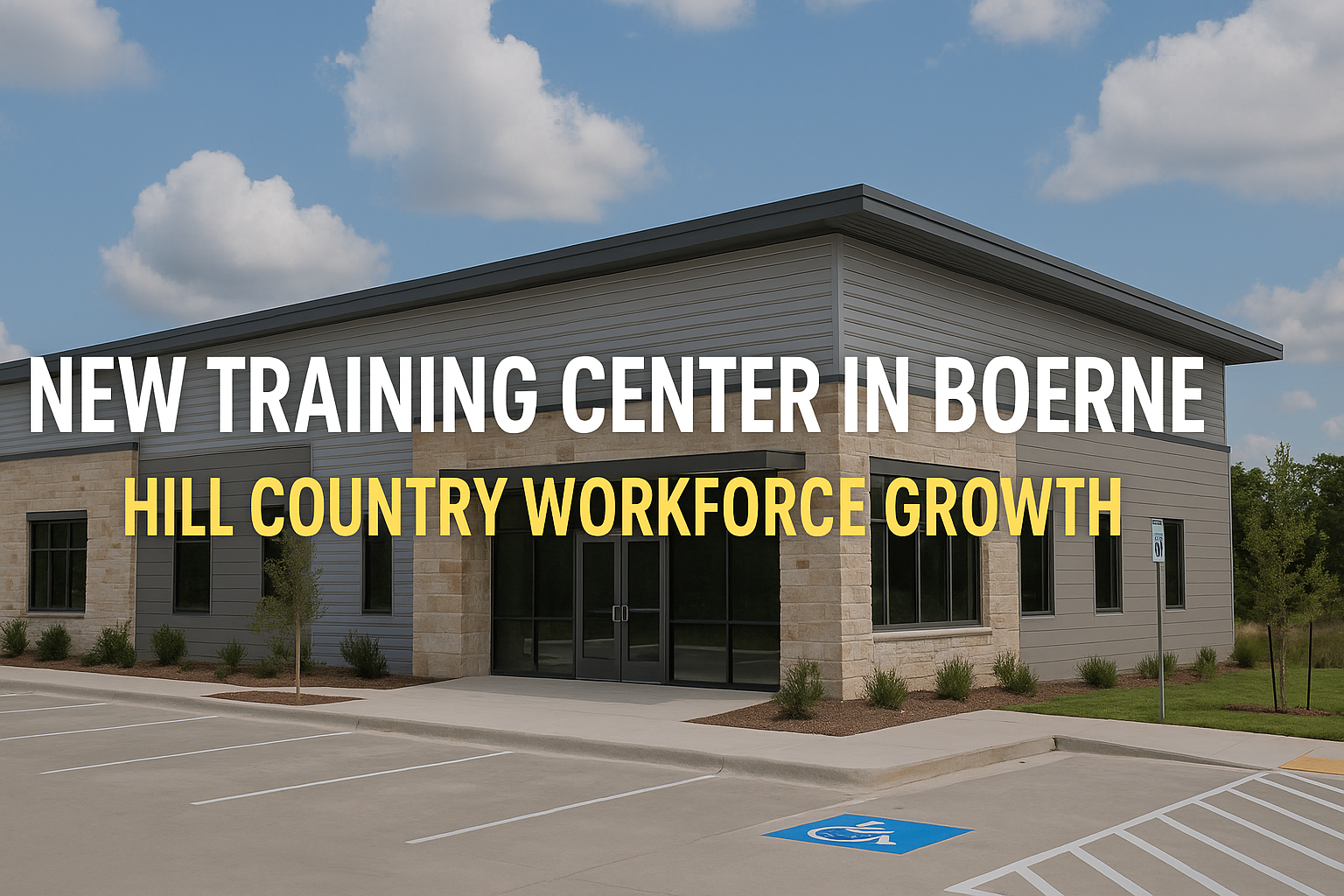
Boerne is positioned for significant educational growth with the upcoming Alamo Colleges Northwest Education and Training Center, slated to open in early 2027. This 42,000-square-foot facility will serve the community by providing classrooms and laboratories focused on technical, healthcare, business, and continuing education programs. The center represents strategic investment in workforce readiness, preparing residents for high-demand careers while contributing directly to local economic vitality.
For the Hill Country and greater San Antonio region, educational infrastructure carries particular significance. As population growth continues driving demand for housing, services, and employment opportunities, communities with strong educational resources gain competitive advantages in attracting families, professionals, and businesses seeking locations that support long-term success.
The Northwest Education and Training Center addresses workforce development needs that have emerged as the region expands. Rather than requiring residents to travel significant distances for specialized training, the Boerne facility brings education closer to where people live and work. This accessibility matters for working adults balancing careers, families, and educational advancement.
For anyone considering buying a home in San Antonio or the surrounding Hill Country communities heading into 2026 and beyond, understanding how educational investments shape community development provides valuable context for real estate decisions. The Alamo Colleges expansion represents the type of infrastructure development that signals sustained regional growth.
Q: What is the Alamo Colleges Northwest Education and Training Center?
A: The Northwest Education and Training Center is a 42,000-square-foot educational facility Alamo Colleges is building in Boerne, Texas. Scheduled to open in early 2027, the center will offer workforce training programs in healthcare, technology, business, and continuing education, serving residents throughout the Hill Country and northwest San Antonio metro area.
Why Does This Educational Investment Matter for the Region?
As San Antonio and surrounding Hill Country communities expand rapidly, demand for skilled workers and accessible education grows correspondingly. The new Boerne facility addresses this need directly, enhancing regional opportunities for career advancement and specialized training.
Addressing Workforce Development Gaps
The Hill Country's growth has created demand for trained workers across multiple sectors. Healthcare facilities need qualified staff. Technology companies seek skilled technicians. Businesses require employees with current credentials and capabilities. The Northwest Education and Training Center helps fill these gaps by training local residents for available positions.
Key workforce sectors the center will address include:
- Healthcare training for medical assistants, nursing support, and allied health roles
- Cybersecurity education meeting growing demand for information security professionals
- Data science and analytics training for technology sector positions
- Cloud computing credentials for IT infrastructure roles
- Business leadership development for management advancement
- ESL courses supporting workforce integration for diverse populations
This comprehensive approach means residents can pursue various career paths without relocating or commuting long distances for education.
Creating Educational Accessibility
For many working adults, accessing higher education requires balancing multiple responsibilities. A facility located in Boerne reduces barriers by bringing training closer to where residents live, minimizing commute times that might otherwise prevent enrollment.
Accessibility benefits include:
- Reduced travel time for Hill Country residents
- Evening and weekend scheduling options for working adults
- Local facility eliminating need for San Antonio commutes
- Proximity allowing students to maintain work and family obligations
- Community-based learning connecting students with local employers
Q: Why is a training center in Boerne specifically significant?
A: Boerne's location in the Hill Country has historically required residents to travel to San Antonio for specialized education and workforce training. A local facility removes this barrier, making education accessible to residents who might otherwise forgo training due to distance and time constraints.
Strengthening Educational Partnerships
By partnering with Boerne ISD and local businesses, Alamo Colleges strengthens the educational ecosystem connecting learning with employment. These partnerships ensure curriculum relevance while creating pathways from education directly into local careers.
Partnership benefits include:
- Curriculum aligned with actual employer needs
- Internship and placement opportunities with local businesses
- Dual credit options for high school students
- Continuing education for current workforce advancement
- Employer input ensuring training produces job-ready graduates
This integration between education and employment creates value for students, employers, and the broader community by ensuring training investments produce practical workforce outcomes.
What Programs Will the Center Offer?
The Northwest Education and Training Center's program offerings reflect both current workforce demands and anticipated future needs. Understanding these programs helps residents evaluate educational opportunities while demonstrating the facility's comprehensive approach.
Technical and Technology Programs
Technology sector growth throughout Texas creates demand for workers with current technical credentials. The center will offer programs addressing this demand through practical, career-focused training.
Technology programs include:
- Cybersecurity training preparing students for information security roles
- Data science education covering analytics and data management
- Cloud computing credentials for IT infrastructure positions
- Technical certifications aligned with industry standards
- Continuing education updating skills for current professionals
These programs respond to employer demand while providing pathways to careers offering competitive compensation and advancement potential.
Healthcare Training Programs
Healthcare represents one of the fastest-growing employment sectors in Texas, with persistent demand for qualified workers across multiple roles. The center's healthcare programs will help address this demand by training local residents for available positions.
Healthcare education will cover:
- Medical assistant training
- Nursing support credentials
- Allied health certifications
- Healthcare administration fundamentals
- Continuing education for current healthcare workers
Q: What healthcare careers can residents train for at the Boerne center?
A: The center will offer training for various healthcare support roles including medical assistants, nursing aides, and allied health positions. These programs prepare students for careers in hospitals, clinics, and medical offices throughout the Hill Country and San Antonio region.
Business and Professional Development
Beyond technical and healthcare training, the center will offer business education supporting career advancement for working professionals. These programs help employees develop leadership capabilities and management skills.
Business programs include:
- Leadership development training
- Management skill building
- Professional certification preparation
- Continuing education credits
- Career advancement workshops
Facility Design Supporting Diverse Learning
The 42,000-square-foot facility includes 11 classrooms and a dozen laboratories designed for flexibility and future expansion. This infrastructure supports hands-on learning across program areas while allowing adaptation as workforce needs evolve.
Design features include:
- Modern classroom spaces with current technology
- Specialized laboratories for technical training
- Flexible spaces adaptable to changing program needs
- Capacity for future expansion as demand grows
- Accessibility features serving diverse student populations
How Does Educational Infrastructure Affect Real Estate?
Educational expansions like the Alamo Colleges center tend to influence housing markets in surrounding communities through multiple mechanisms. Understanding these dynamics helps buyers and investors evaluate how the facility may shape Boerne and Hill Country real estate heading into 2027 and beyond.
Increased Housing Demand from Students and Staff
Educational facilities create direct housing demand from students, faculty, and staff seeking convenient living options. While the Northwest Education and Training Center serves primarily commuter students rather than residential populations, some housing impact is likely.
Demand factors include:
- Faculty and staff relocating for employment
- Students seeking housing near the facility
- Families prioritizing educational access when choosing locations
- Employers locating near trained workforce availability
- Support businesses serving educational community
This demand supplements existing market activity rather than creating dramatic shifts, but contributes to sustained interest in Boerne area housing.
Enhanced Neighborhood Appeal
Quality education facilities enhance community appeal for buyers evaluating locations based on available resources and infrastructure. The center's presence signals regional investment and growth trajectory that some buyers find attractive.
Appeal factors include:
- Demonstrated community investment in workforce development
- Access to continuing education without long commutes
- Signal of sustained regional growth and planning
- Quality infrastructure attracting employers and businesses
- Community amenities supporting long-term livability
Q: Will the training center affect Boerne home values?
A: Educational infrastructure generally supports community desirability and housing demand, though individual property values depend on numerous factors beyond any single facility. Areas with strong educational resources tend to maintain competitive buyer interest, supporting market stability over time.
Property Value Stability Through Community Development
Communities investing in educational infrastructure often experience property value stability reflecting sustained development and planning. While no facility guarantees appreciation, quality institutions contribute to community characteristics supporting long-term real estate health.
Stability factors include:
- Institutional investment signaling community viability
- Workforce training attracting employers to the region
- Educated population supporting local economy
- Infrastructure development improving community capacity
- Planning processes demonstrating regional coordination
For sellers considering listing homes in San Antonio or surrounding communities, nearby educational development contributes to positive neighborhood narrative during marketing.
Investor Considerations
Real estate investors evaluating Boerne and Hill Country properties should consider how educational infrastructure affects long-term market fundamentals. Workforce training facilities support employment stability and population retention that benefit rental markets.
Investor considerations include:
- Workforce stability from local training availability
- Population retention through career advancement access
- Employer attraction to areas with trained workers
- Long-term demand sustainability from infrastructure investment
- Market differentiation from communities lacking similar resources
What Should Buyers Know About Boerne and the Hill Country?
Understanding Boerne's characteristics helps buyers evaluate whether the community aligns with their priorities. The Hill Country offers distinct advantages and considerations worth examining before purchasing.
Hill Country Character and Lifestyle
Boerne and surrounding Hill Country communities offer lifestyle characteristics distinguishing them from urban San Antonio and typical suburban development. Buyers choosing this area often prioritize specific environmental and community qualities.
Hill Country characteristics include:
- Rolling terrain with natural beauty and views
- Historic downtown areas with local character
- Lower density development compared to suburban areas
- Access to outdoor recreation and natural spaces
- Small-town community feel with growing amenities
- Quality schools attracting families
These qualities create distinct appeal for buyers seeking alternatives to conventional suburban or urban living while maintaining access to San Antonio employment and services.
Growth and Development Patterns
The Hill Country has experienced significant growth as San Antonio expands and buyers seek communities with desirable characteristics. This growth brings both opportunities and considerations for current and prospective residents.
Growth dynamics include:
- Continued population expansion from regional migration
- New residential development across multiple price points
- Commercial development following residential growth
- Infrastructure investment supporting expanding population
- School district growth accommodating more students
- Traffic and commute time increases during peak periods
Q: Is Boerne a good place to buy a home heading into 2026?
A: Boerne offers Hill Country lifestyle, quality schools, and growing amenities that attract many buyers. The community continues developing with new housing options and infrastructure investments like the Alamo Colleges center. Individual fit depends on priorities including commute tolerance, preferred community size, and lifestyle preferences.
Commute Considerations
Boerne's location requires realistic assessment of commute times for buyers whose employment requires travel to San Antonio. While some residents work locally or remotely, others commute regularly.
Commute factors to evaluate:
- Distance to San Antonio employment centers
- I-10 traffic patterns during peak hours
- Remote work flexibility reducing commute frequency
- Local employment opportunities eliminating commute needs
- Lifestyle trade-offs between commute time and Hill Country living
Buyers should honestly assess their commute tolerance before committing to Hill Country purchases, as distance from San Antonio affects daily life significantly for traditional commuters.
Housing Options and Pricing
Boerne offers diverse housing options across various price points, though the area generally commands premiums compared to some San Antonio suburban alternatives. Understanding available options helps buyers evaluate fit.
Housing types include:
- Single-family homes on larger lots
- New construction in developing neighborhoods
- Historic properties in established areas
- Ranch and acreage properties
- Townhomes and lower-maintenance options
Working with an experienced San Antonio REALTOR® familiar with Hill Country communities helps buyers navigate options and identify properties matching their priorities and budgets.
How Does This Fit Broader Regional Development?
The Alamo Colleges expansion reflects broader patterns of infrastructure investment throughout the San Antonio region. Understanding these patterns helps buyers and investors recognize community development trajectories.
Educational Infrastructure Across the Metro
Alamo Colleges operates multiple campuses serving the San Antonio region, with the Boerne facility extending reach into Hill Country communities. This expansion reflects strategic planning to serve growing populations throughout the metro area.
Regional educational resources include:
- Multiple Alamo Colleges campuses throughout San Antonio
- University presence including UTSA, Trinity, and others
- Community college accessibility across the region
- Workforce training programs serving various sectors
- Continuing education supporting career advancement
The Boerne center joins this network, extending educational access into an area previously underserved by convenient training options.
Workforce Development Supporting Economic Growth
Regional economic development depends partly on workforce availability. Training facilities producing qualified workers support employer retention and attraction, creating positive cycles of economic activity.
Economic benefits include:
- Local workers filling local positions
- Employers accessing trained workforce without relocation
- Reduced recruiting costs for area businesses
- Career advancement opportunities retaining residents
- Economic activity from educational institution presence
Q: How does workforce training affect regional economic development?
A: Workforce training creates qualified workers for local employers, reducing recruiting challenges and supporting business growth. When employers can hire locally, they are more likely to locate or expand in regions offering trained workforce availability, creating employment opportunities that support housing demand and community development.
Infrastructure Investment Patterns
The Alamo Colleges facility represents one component of infrastructure investment shaping regional development. Buyers evaluating communities benefit from recognizing how various investments affect long-term community trajectory.
Related infrastructure considerations include:
- School district capacity and quality
- Transportation improvements and access
- Healthcare facility availability
- Commercial development and retail access
- Utility infrastructure supporting growth
- Parks and recreation resources
Communities receiving coordinated infrastructure investment often demonstrate stronger long-term development patterns than areas growing without similar planning.
Expert Insight from Tami Price
"The new Alamo Colleges training center in Boerne is a vital investment in our region's future," says Tami Price, Broker Associate and REALTOR® with Real Broker, LLC. "It connects education directly to workforce needs, which makes Boerne an even more attractive place to live and invest. Educational infrastructure like this underpins long-term community and real estate value."
Price, a USAF Veteran with nearly two decades of San Antonio real estate experience and approximately 1,000 closed transactions, emphasizes how infrastructure investments signal community trajectory. "When I work with buyers exploring the Hill Country, I help them understand not just current conditions but where communities are heading. A facility like this demonstrates regional planning and investment that benefits residents for years to come."
"For families considering Boerne, the training center adds another dimension to the community's educational resources," Price continues. "Beyond excellent K-12 schools, residents will have local access to continuing education and career advancement. That accessibility matters for families planning long-term community commitment."
Price serves clients throughout San Antonio, Schertz, Cibolo, Helotes, Converse, and Boerne, helping buyers identify communities matching their priorities and sellers position properties effectively in evolving markets.
"Investors should pay attention to educational infrastructure as market indicator," she adds. "Communities receiving this type of institutional investment typically demonstrate stability and growth potential that support long-term real estate performance. The Alamo Colleges commitment to Boerne reflects confidence in the Hill Country's continued development."
Three Key Takeaways
1. The Alamo Colleges Northwest Education and Training Center expands workforce training accessibility for Hill Country and northwest San Antonio residents.
Opening in early 2027, the 42,000-square-foot facility will offer programs in healthcare, technology, business, and continuing education. By bringing training to Boerne rather than requiring travel to San Antonio, the center removes barriers for working adults balancing education with careers and family responsibilities. Programs aligned with employer needs create pathways from training directly into local careers.
2. Educational infrastructure investment signals community development trajectory and supports long-term real estate stability.
Communities receiving institutional investment demonstrate planning and growth potential that benefit residents and property owners. The Alamo Colleges expansion reflects regional coordination addressing workforce needs while supporting economic development. Areas with strong educational resources tend to maintain competitive housing demand from families and professionals prioritizing access to quality institutions.
3. Buyers evaluating Boerne and Hill Country communities should consider infrastructure development alongside lifestyle factors.
The training center represents one component of regional infrastructure shaping community development. Buyers benefit from understanding how educational resources, transportation improvements, and commercial development affect long-term community trajectory. Working with experienced representation helps evaluate how various factors influence specific properties and neighborhoods within the evolving Hill Country market.
Frequently Asked Questions
Q: When will the Alamo Colleges Northwest Education and Training Center open?
A: The facility is scheduled to open in early 2027. Construction and development are proceeding toward this timeline, with the center expected to begin serving students at that time.
Q: Where will the center be located?
A: The Northwest Education and Training Center will be located in Boerne, Texas, serving the Hill Country and northwest San Antonio metropolitan area. The location provides convenient access for residents who previously needed to travel to San Antonio for similar educational resources.
Q: What programs will be offered?
A: The center will offer programs in cybersecurity, healthcare training, data science, cloud computing, business leadership, and ESL courses. These programs address current workforce demands while providing career advancement opportunities for area residents.
Q: How large is the facility?
A: The center encompasses 42,000 square feet, including 11 classrooms and a dozen laboratories designed for flexibility and future expansion. This infrastructure supports hands-on learning across program areas.
Q: Who can attend programs at the center?
A: Programs will serve students from Boerne and the wider northwest San Antonio metro area. Working adults, career changers, high school students through dual credit arrangements, and continuing education students can all access training through the facility.
Q: How does this affect Boerne real estate?
A: Educational infrastructure generally supports community desirability and housing demand, though individual property impacts depend on numerous factors. Areas with strong educational resources tend to maintain competitive buyer interest over time.
Q: Is Boerne ISD involved with the center?
A: Yes. Alamo Colleges is partnering with Boerne ISD and local businesses to align educational programming with community and workforce needs. These partnerships help ensure curriculum relevance and create pathways from education into local employment.
Q: How can I learn more about Boerne real estate?
A: A buyer consultation can help evaluate whether Boerne's characteristics align with your priorities and explore available housing options within the Hill Country market.
The Bottom Line
The Alamo Colleges Northwest Education and Training Center represents significant investment in Boerne and the Hill Country's future. By bringing workforce training closer to where residents live, the facility removes barriers to education while supporting economic development and employer workforce needs.
For buyers evaluating Boerne and Hill Country communities heading into 2026 and 2027, understanding how educational infrastructure shapes community development provides valuable context beyond immediate housing characteristics. Areas receiving institutional investment demonstrate planning and commitment that typically support long-term community health and real estate stability.
Whether considering Boerne specifically or exploring San Antonio regional options more broadly, recognizing infrastructure development patterns helps buyers identify communities positioned for sustained growth and resident satisfaction.

Contact Tami Price, REALTOR®
Whether you are exploring Boerne and Hill Country communities, evaluating San Antonio area neighborhoods, or preparing to sell your current home, experienced guidance helps you navigate market conditions and make confident decisions.
Tami Price, REALTOR®, Broker Associate
📞 210-620-6681
Tami Price's Specialties
- Comprehensive buyer and seller representation throughout San Antonio, Schertz, Cibolo, Helotes, Converse, and Boerne
- Hill Country and Boerne real estate
- First-time buyer guidance
- Strategic pricing and market analysis
- Military relocation and PCS moves
- New construction representation
Disclaimer
This blog post is provided for informational purposes only and should not be construed as guarantees regarding property values, community development, educational programming, or facility opening timelines. Information about the Alamo Colleges Northwest Education and Training Center reflects publicly available details at publication time and may change as the project progresses. Individual property values depend on numerous factors unique to each transaction. Readers should conduct independent research and consult with qualified professionals before making real estate decisions. Tami Price, REALTOR®, and Real Broker, LLC make no warranties regarding accuracy or applicability to specific circumstances.
Categories
- All Blogs (940)
- Home Buying (19)
- Neighborhood Guides (44)
- 10 Incentive and Rate Buydown Questions (1)
- 10 Military Neighborhood (1)
- 10 Mistakes Sellers Make (1)
- 10 Strategies to Coordinate a Same Day Close (1)
- 12 Lifestyle Questions to Move In (1)
- 12 PCS What Ifs (1)
- 12 Photos and Marketing Assets (1)
- 13 PCS Hunting Trip Tips (1)
- 14 Design Center Decisions (1)
- 15 Red Flags Touring Home in San Antonio (1)
- 2026 Market (1)
- 30 days after closing your home (1)
- 7 Offer Terms Beyond Price (1)
- 7 VA Specific Questions (1)
- 78015 Ranked One (1)
- 8 Bridge (1)
- 8 Myths Buyers Believe about Down Payments (1)
- 8 Reasons VA Buyers Love New Construction (1)
- 9 Mistakes Move Up Buyers Make (1)
- 9 Questions to Decide If You Keep Your PCS Home (1)
- 9 Timeline Questions Every Buyer Need to Ask (1)
- 9 Warranty Questions to Ask (1)
- 9 Ways to Attract VA & Military Buyers (1)
- 90 days before your move (1)
- About Tami Price (6)
- Active Adult Homes (1)
- Affordable Communities (2)
- Affordable Housing & Community Development (5)
- Agent Qualifications and Credentials (1)
- Agent Qualifications and Experience (1)
- Agent Recognition (3)
- Agent Selection (1)
- AI and Real Estate Tools (1)
- Alamo Heights (5)
- Alamo Heights ISD (1)
- Alamo Heights Real Estate (1)
- Alamo Ranch (3)
- Amenities in Helotes, Texas (3)
- Apartment Market (1)
- Appraisals (1)
- Arts and Culture (1)
- Awards and Recognition (7)
- Balcones Creek (1)
- Best Neighborhoods to Live in Cibolo, TX (3)
- Best Neighborhoods to Live in San Antonio (16)
- Best Places to Live in Leon Valley: A Neighborhood Guide (1)
- Best Places to Live in Northeast Inner Loop: A Neighborhood Guide (1)
- Bexar County Property Tax (1)
- Bexar County Real Estate (3)
- Blue Tape Walkthrough (1)
- Boerne Home Sellers (1)
- Boerne Neighborhoods (2)
- Boerne Texas (9)
- Broadway Corridor Development (1)
- Build-to-Rent Communities (1)
- Builder Contracts & Warranties (3)
- Builder Incentives (1)
- Builder Warranties (1)
- Buyer (97)
- Buyer Activity San Antonio (1)
- Buyer and Seller Guidance (4)
- Buyer Due Diligence (1)
- Buyer Education (46)
- Buyer Guide (9)
- Buyer Guides (7)
- Buyer Protection Strategies (1)
- Buyer Representation (1)
- Buyer Representation Expertise (1)
- Buyer Resources (89)
- Buyer Strategy (2)
- Buyers (13)
- Buyers Agent (1)
- Buying a Foreclosed Home in San Antonio (10)
- Buying a Home (3)
- Buying a Home in San Antonio (6)
- Buying Near JBSA (1)
- Buying Timeline (1)
- Buying vs Renting (1)
- Castroville, TX (8)
- Central San Antonio (1)
- Central San Antonio Development (2)
- Central Texas Growth (1)
- Choosing a Real Estate Agent (1)
- Choosing an Agent (1)
- Cibolo Communities (1)
- Cibolo Home Sellers (1)
- Cibolo TX (15)
- Client Reviews and Testimonials (1)
- Client Satisfaction (1)
- Client Stories (1)
- Client Testimonial (4)
- Clients review (4)
- Closing (1)
- Cobblestone (1)
- Comal County (1)
- Commercial & Retail Development (27)
- Commercial Development (13)
- Commercial Development Impact on Home Values (1)
- Commercial Real Estate (1)
- Community (1)
- Community Amenities (2)
- Community Development (23)
- Community Development and Real Estate (3)
- Community Events & Development (1)
- Community Infrastructure (1)
- Community Investment Impact (2)
- Community Landmarks (1)
- Community News (4)
- Community Planning (2)
- Community Revitalization (1)
- Community Spotlights (1)
- Commuter Neighborhoods (1)
- Cons of Living in Helotes, TX (4)
- Conservation Communities (1)
- Contingency Questions (1)
- Converse Home Sellers (1)
- Converse Homes For Sale (3)
- Converse Real Estate (1)
- Converse TX (10)
- Converse TX Real Estate (1)
- Cost of Living Guides (1)
- Cost of Living in San Antonio TX (25)
- CPS Energy Programs (1)
- Custom Homes (5)
- Davis Ranch (1)
- Days on Market (1)
- Deco District San Antonio (1)
- Denver Heights (1)
- Down Payment Assistance (1)
- Downtown Boerne (1)
- Downtown Development (3)
- Downtown Living (1)
- Downtown Revitalization (14)
- Downtown San Antonio (2)
- Downtown San Antonio Real Estate (5)
- Downtown San Antonio Revitalization (1)
- Dual Military (1)
- East Side Living (1)
- East Side Neighborhoods (1)
- East Side San Antonio (4)
- Economic Development (3)
- Economic Growth & Industry (1)
- Education, Texas Hill Country (1)
- Emerald Pointe (1)
- Employment (1)
- Employment Corridors (1)
- Encino Forest (1)
- Entertainment Economy (1)
- Equity and Pricing Strategy (2)
- Equity Q&A (1)
- Established Communities (3)
- Events in San Antonio (207)
- Expert Advice from Tami Price, Realtor® (10)
- Fair Oak Ranch (1)
- Family Activities (2)
- Family Homes (3)
- Family Living in San Antonio (1)
- FAQ (1)
- Far Northwest San Antonio (1)
- Far West San Antonio (1)
- Far Westside Real Estate (4)
- Fastest Growing Zip Codes in America (1)
- Featured Homes for Sale (2)
- Featured Properties (1)
- Final Walkthrough (1)
- Financial Planning (11)
- Financing Strategy (1)
- First Time Buyers (23)
- First Time Sellers (1)
- First-Time Buyers (6)
- First-Time Homebuyer Resources (4)
- First-Time Homebuyer Tips (2)
- First-Time Homebuyers (6)
- First-Time Investors (1)
- Fort Sam Houston (3)
- Fort Sam Houston Real Estate (1)
- Fort Sam Houston, TX (2)
- Fox Grove (1)
- FSBO vs Agent Representation (1)
- Future Rental (1)
- Gated Communities (5)
- Golf Communities (1)
- Great Northwest (1)
- Greater San Antonio Housing Trends (2)
- Greater San Antonio Real Estate (5)
- Green Home Upgrades (1)
- Growth and Development (11)
- Healthcare (1)
- HELOC (1)
- Helotes Home Sellers (1)
- Highway 151 Corridor Growth (1)
- Hill Country Business (1)
- Hill Country Communities (2)
- Hill Country Development (3)
- Hill Country Homes for Sale (1)
- Hill Country Living (3)
- Hill Country Market Updates (1)
- Hill Country Real Estate (4)
- Hill Country Retreat (1)
- Historic Districts (5)
- Historic Neighborhoods (4)
- Historic Preservation (2)
- Holiday Attractions (1)
- Holiday Guide (1)
- Home Buying (7)
- Home Buying Education (3)
- Home Buying Guide (7)
- Home Buying Process (8)
- Home Buying Strategy (2)
- Home Buying Tips (6)
- Home Energy Efficiency San Antonio (5)
- Home Financing (2)
- Home Improvement ROI (1)
- Home Inspections (3)
- Home Preparation (2)
- Home Pricing Strategy (14)
- Home Renovation for Resale (1)
- Home Selling (12)
- Home Selling Guide (11)
- Home Selling Strategies (3)
- Home Selling Strategy (3)
- Home Selling Tips (22)
- Home Staging and Updates (2)
- Home Values (2)
- Homebuyer Education (15)
- Homebuyer Resources (1)
- Homebuying Guide (1)
- Homebuying Tips (3)
- Homeowner (37)
- Homeowner Tax Benefits (1)
- Homeownership Costs (1)
- Homes for Sale (2)
- Homes for sale near Lackland AFB (4)
- Homes Near Military Bases (1)
- Homestead amenities (1)
- Horizon Pointe (1)
- House Hunting Guide (1)
- Housing (1)
- Housing Community Development (1)
- Housing Development (2)
- Housing Market Updates (3)
- How to Buy a House in San Antonio TX (48)
- Huebner Oaks shopping center (1)
- Hunters Ranch (1)
- Hybrid (1)
- I-10 Corridor (1)
- I-35 Corridor (1)
- In Person (1)
- Incorporated Cities (6)
- Industrial Investment Impact (1)
- Industry News (2)
- Industry Recognition (1)
- Infrastructure & Growth Projects (26)
- Infrastructure and Sustainability (1)
- Infrastructure Development (1)
- Infrastructure Investment (1)
- Infrastructure Updates (2)
- Interest Rates (2)
- Invest in San Antonio (46)
- Investment Opportunities (3)
- Investment Property San Antonio (4)
- JBSA (9)
- JBSA Housing (11)
- JBSA Real Estate (4)
- JBSA Resources (7)
- Joint Base San Antonio (5)
- Joint Base San Antonio Housing (1)
- Judson ISD (2)
- Kendall County (1)
- La Cantera Retail Development (1)
- Lackland AFB (7)
- Lackland AFB Housing (1)
- Land Conservation (1)
- Land Use Planning (1)
- Lera MLS (15)
- Lifestyle & Community Growth (18)
- Lifestyle & Local Growth (12)
- Lifestyle Amenities (1)
- Lifestyle Communities (1)
- Listing Preparation (1)
- Listing Strategy (1)
- Live Oak (1)
- Living in San Antonio, TX (52)
- Living Near Randolph AFB (7)
- Loan Programs (1)
- Local Attractions (3)
- Local Business (1)
- Local Business & Development (9)
- Local Business & Economy (3)
- Local Business Spotlight (20)
- Local Business Support (5)
- Local Development (4)
- Local Development News (9)
- Local Market Insights (5)
- Local News (2)
- Local News Around San Antonio (2)
- Local Policy Changes (1)
- Local Real Estate News (1)
- Loop 1604 Corridor Growth (2)
- Loop 410 Corridor Development (1)
- Luxury Communities (3)
- Luxury Homes (2)
- Luxury Real Estate (1)
- Luxury Retail San Antonio (1)
- MacArthur Park (1)
- Major Developments (2)
- Making Offers on Homes (1)
- Market Analysis (26)
- Market Conditions (47)
- Market Expertise (1)
- Market Insights (5)
- Market Strategy (1)
- Market Timing (2)
- Market Trends (10)
- Market Trends & Insights (2)
- Market Update (17)
- Market Update 2026 (1)
- Market Updates (22)
- Master Planned Communities (12)
- Medical Center Area Real Estate (1)
- Medina Valley ISD (2)
- Midtown Living (1)
- Military & Economic Impact (3)
- Military Buyers (3)
- Military Communities (1)
- Military Families (1)
- Military Family Resources (1)
- Military Heritage (1)
- Military Homebuying (3)
- Military Homeownership (1)
- Military Housing (3)
- Military Housing Market in Texas (16)
- Military Life in San Antonio (2)
- Military Neighborhoods (1)
- Military PCS Relocations (3)
- Military Real Estate (2)
- Military Relocation (100)
- Military Relocation & VA Loans (10)
- Military Relocation San Antonio (4)
- Military Relocation Services (3)
- Military Relocation to San Antonio (50)
- Military Relocations (20)
- Military Relocations & VA Home Loans (5)
- Mixed-Income Housing (1)
- MLS Accuracy & Data Transparency (1)
- Mortgage Programs (1)
- Mothers Day in San Antonio (1)
- Move to Boerne TX (18)
- Move to Castroville TX (11)
- Move to Converse TX (16)
- Move to New Braunfels (1)
- Move to North San Antonio (19)
- Move to San Antonio TX (73)
- Move to Selma TX (19)
- Move to Shertz TX (13)
- Move to Texas (53)
- Move Up Buyer Resources (1)
- Move Up Buyers (23)
- Move-In Ready Homes (3)
- Move-In Ready Homes San Antonio (2)
- Move-Up Buyers (2)
- Moving to Helotes, TX (17)
- Moving to San Antonio (69)
- MUD Taxes (1)
- Natalia Homes For Sale (1)
- Near East Side Living (1)
- Negotiation Strategy (2)
- Neighborhood Amenities (1)
- Neighborhood Development (1)
- Neighborhood Guides (7)
- Neighborhood Investment (1)
- Neighborhood News (2)
- Neighborhood Revitalization (2)
- Neighborhood Spotlights (12)
- Neighborhood Updates (1)
- Neighborhoods near Randolph AFB (12)
- New Braunfels (6)
- New Braunfels Homes For Sale (1)
- New Braunfels News (3)
- New Braunfels Real Estate (3)
- New Businesses (2)
- New Construction (63)
- New Construction Communities (1)
- New Construction Homes (13)
- New Construction Homes San Antonio (5)
- New Construction vs Resale (2)
- New Construction Without Customization (1)
- New Construction Without the Wait (1)
- New Contruction Cost (1)
- New Development (3)
- New Listing (19)
- New Restaurants (3)
- News (211)
- News & updates (213)
- No HOA Homes (1)
- North Central San Antonio (5)
- North East ISD (4)
- North San Antonio (9)
- North San Antonio Real Estate (3)
- North Side Neighborhoods (1)
- North Side San Antonio Development (2)
- Northeast Inner Loop (1)
- Northeast Inner Loop Neighborhoods (1)
- Northeast San Antonio (3)
- Northside ISD (5)
- Northwest San Antonio (9)
- Northwest San Antonio Development (1)
- Northwest San Antonio Growth (1)
- Northwest San Antonio Real Estate (3)
- Northwood (1)
- Olympia Hills (1)
- One-Story Homes (1)
- Outdoor Living (1)
- Parks and Recreation (2)
- PCS and JBSA (2)
- PCS checklist (1)
- PCS Guide (4)
- PCS Moves (12)
- PCS Moves to Joint Base San Antonio (4)
- PCS Planning (16)
- PCS Randolph AFB (17)
- PCS Relocation (1)
- PCS Resources (6)
- PCS San Antonio (46)
- PCS to San Antonio (42)
- Pearl District Area Real Estate (2)
- PID Assessments (1)
- Pinon Creek (1)
- Pipe Creek (1)
- Places to Eat Near Randolph AFB (1)
- Pool Homes (1)
- Pre Approval (1)
- Pre-Listing Preparation (2)
- Pre-Listing Process (1)
- Prescott Oaks (1)
- Pricing and Marketing Strategy (3)
- Professional Awards and Achievements (2)
- Professional Real Estate Representation (1)
- Property Tax Exemptions Texas (1)
- Property Value Enhancement (1)
- pros and cons living in Converse TX (3)
- Pros and Cons Living in Selma TX (6)
- Pros and Cons of Living in Castroville, TX (4)
- Pros and Cons of Living in San Antonio (33)
- PT500 List (1)
- Purchase Negotiation (1)
- Quality of Life (1)
- Quick Close Real Estate (1)
- Randolph AFB Neighborhoods (2)
- Real Estate (1)
- Real Estate Advice (1)
- Real Estate Agent Recognition (6)
- Real Estate Agent Selection (2)
- Real Estate Agent Value (1)
- Real Estate Consultation (1)
- Real Estate Finance (1)
- Real Estate Financing (1)
- Real Estate Impact (1)
- Real Estate Investment San Antonio (2)
- Real Estate Legal Issues (1)
- Real Estate Market Insights (2)
- Real Estate Market Trends (5)
- Real Estate Professional Designations (1)
- Real Estate Strategy (1)
- Real Estate Technology & Trends (2)
- Real Estate Tips (1)
- Real Estate Tips and Guides (2)
- Real Estate Trends (4)
- RealTrends Verified (1)
- Regional Development (1)
- Regional Real Estate (2)
- Relocating to San Antonio (2)
- Relocation (4)
- Relocation Resources (2)
- Relocation to San Antonio (55)
- Remote Homebuying (1)
- Rental Housing (1)
- Rental Property (1)
- Rental Strategy (1)
- Resale Properties (1)
- Retail Development (2)
- Retire in Boerne TX (11)
- Retire in San Antonio (37)
- Retirement Communities (1)
- Reviews and Recognition (1)
- Rockwall Ranch (1)
- Rural Living (2)
- SABOR (28)
- San Antonio Area Listings (1)
- San Antonio Business Growth (1)
- San Antonio Buyer Resources (2)
- San Antonio Communities (3)
- San Antonio Community Events (1)
- San Antonio Community News (1)
- San Antonio Data Center Development (1)
- San Antonio Development (5)
- San Antonio Development & East Side Real Estate (1)
- San Antonio Dining and Lifestyle (3)
- San Antonio East Side Development (1)
- San Antonio Employment Growth (1)
- San Antonio Food & Community Development (2)
- San Antonio Growth (8)
- San Antonio Home Buying and Selling (2)
- San Antonio Home Buying Guide (5)
- San Antonio Home Improvement (2)
- San antonio home prices (3)
- San Antonio Home Sellers (3)
- San Antonio Homeowner Guide (1)
- San Antonio Homeowner Resources (1)
- San Antonio Homes for Sale (12)
- San Antonio Housing Market (2)
- San Antonio Housing Market & Mortgage Financing (2)
- San Antonio Housing Market Analysis (2)
- San Antonio Housing Trends & Market Analysis (4)
- San Antonio Industrial Development (1)
- San Antonio Industrial Policy (1)
- San Antonio Investment Properties (2)
- San Antonio Job Market (1)
- San Antonio Lifestyle Amenities (1)
- San Antonio Listing (1)
- San Antonio Living (1)
- San Antonio Market (3)
- San Antonio Market Updates (18)
- San Antonio Military Relocation (3)
- San Antonio Neighborhoods (67)
- San Antonio New Construction & Master-Planned Communities (4)
- San Antonio New Home Communities (1)
- San Antonio News (229)
- San Antonio North Side Development (1)
- San Antonio Parks (1)
- San Antonio Property Investment (1)
- San Antonio Property Taxes (2)
- San Antonio Real Estate (162)
- San Antonio Real Estate Agents (6)
- San Antonio Real Estate Excellence (1)
- San Antonio Real Estate Guide (6)
- San Antonio Real Estate Market (41)
- San Antonio Real Estate Market Analysis (6)
- San Antonio Real Estate News (2)
- San Antonio REALTOR Awards (1)
- San Antonio Restaurant News (2)
- San Antonio Restaurant Openings (1)
- San Antonio Seller Resources (2)
- San Antonio Sellers (1)
- San Antonio Spec Homes (1)
- San Antonio Spurs Community Programs (1)
- San Antonio Suburbs (1)
- San Antonio Transportation (2)
- San Antonio University Area Housing (1)
- San Antonio Urban Living (7)
- San Antonio West Side Development (2)
- San Antonio Zoning Policy (1)
- Scenic Loop (1)
- Schertz Home Sellers (1)
- Schertz Real Estate (1)
- Schertz, TX (13)
- School Districts (1)
- School Information (1)
- SCUCISD Schools (1)
- Secured Quick Offer (1)
- Sell Home In San Antonio TX (64)
- Seller (83)
- Seller Education (24)
- Seller Guide (4)
- Seller Guides (1)
- Seller Representation Expertise (1)
- Seller Resources (67)
- Seller Should Understand (1)
- Seller Strategy (3)
- Seller Tips (2)
- Sellers (10)
- Selling A Home in San Antonio (62)
- Selling Your San Antonio Home (3)
- Selma TX (9)
- Single-Story Homes (4)
- Smart Homes (1)
- Solar Homes (3)
- South San Antonio Real Estate (1)
- South Side Economic Growth (1)
- South Side San Antonio (1)
- Southtown (2)
- Southwest San Antonio Real Estate (1)
- Spec Homes and Inventory Homes (2)
- Spurs Arena Project Marvel (1)
- Stone Oak (2)
- Stone Oak Community News (5)
- Suburban Housing Growth (12)
- Suburban Living (2)
- Talise De Culebra (1)
- Technology Growth (3)
- Technology Sector Growth (1)
- Terrell Hills (3)
- Texas Acreage Properties (3)
- Texas Homestead Exemption (1)
- The Dominion Real Estate (1)
- The Rim Area Real Estate (1)
- Things to do in San Antonio TX (21)
- Things to do Near Randolph AFB (4)
- Time Planning (1)
- Time-Sensitive Home Buying (1)
- Timing Strategy (1)
- Tips for Buying New Construction (9)
- Tobin Hill Neighborhoods (2)
- Top Real Estate Agent in San Antonio (3)
- Tourism and Economic Development (1)
- Traders's Joe San Antonio (1)
- Transaction Coordination (1)
- Transportation Infrastructure (1)
- Two-Story Homes (2)
- Universal City (1)
- Updated Homes (2)
- Upscale Communities (1)
- Urban Communities (2)
- Urban Corridor Real Estate (1)
- Urban Development (5)
- Urban Living (3)
- Urban Neighborhoods (4)
- Urban Real Estate (1)
- Urban Renewal Projects (1)
- Urban Revitalization San Antonio (1)
- Utility Cost Reduction (1)
- UTSA Campus Development (1)
- VA Buyers (1)
- VA Home Loan Benefits (3)
- VA Loan Assumptions (3)
- VA loan benefits (27)
- VA Loan Guidance (1)
- VA Loan Home Buying Assistance (2)
- VA Loans (71)
- VA Loans and Military Benefits (3)
- VA Loans and Military Home Buying (3)
- VA Loans San Antonio (43)
- VET Benefits Living in San Antonio (3)
- Veterans Resources (3)
- Village Northwest (1)
- Virtual Buyers (1)
- Walkable Communities (1)
- week in sales (40)
- Weekly Sales Report (41)
- West San Antonio (2)
- West San Antonio Development (1)
- West San Antonio Real Estate (3)
- West San Antonio Real Estate Market (2)
- West Side Infrastructure Planning (1)
- West Side Real Estate (1)
- West Side San Antonio (2)
- Windcrest Homes for Sale (1)
Recent Posts